Advanced Heat Exchanger Design Boosts Wind Turbine Gearbox Reliability
⚡ AI Executive Summary
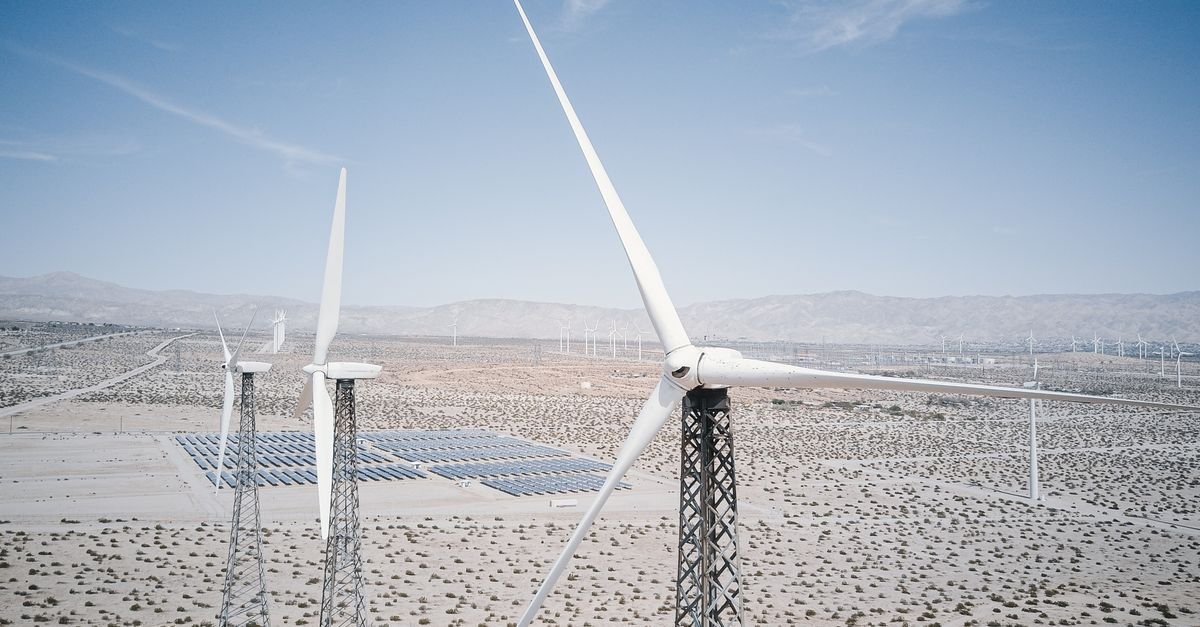
Wind operators are adopting improved gearbox cooling technologies to address long-standing reliability challenges in aging turbine fleets. Traditional heat exchanger designs accumulate debris in dusty and agricultural environments, causing oil temperature rises that degrade lubrication performance and accelerate component wear. Field deployments of advanced cooling systems have demonstrated measurable reductions in maintenance burden and thermal stress across multiple turbine platforms. For grid operators and asset managers, effective thermal management in drivetrain systems directly impacts fleet availability and operational expenditure. Since gearbox failures represent a significant source of unplanned downtime and replacement costs in wind portfolios, subsystem upgrades that extend component life and reduce service interventions offer valuable lifecycle economics. As renewable energy penetration increases and older turbine cohorts demand cost-effective reliability solutions, cooling system optimization has emerged as a practical lever for improving uptime without major redesigns.
This is a brief summary of reporting originally published by Windpower Engineering. Read the full article for the complete story:
Read the full story at Windpower Engineering ↗