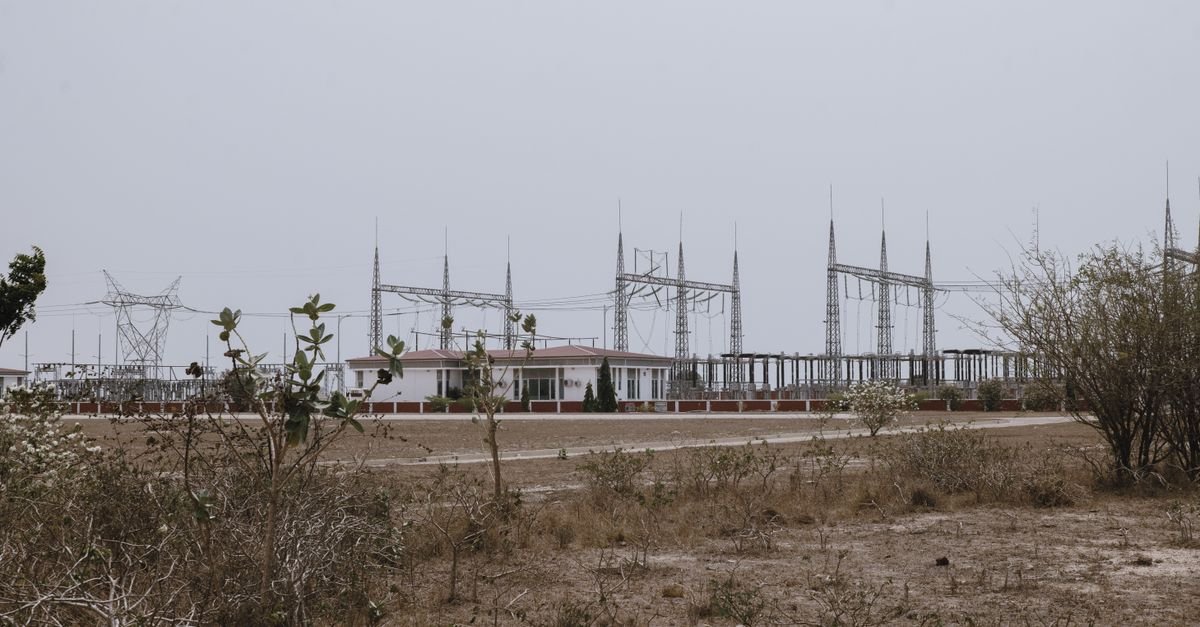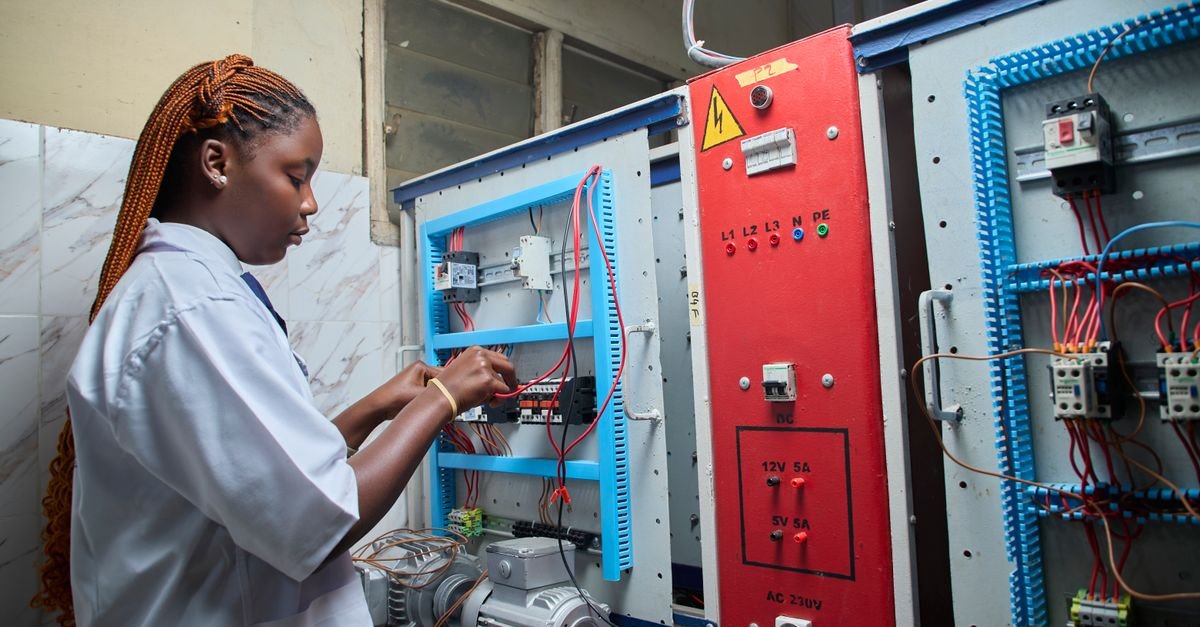
Grid-connected inverters for renewable energy sources must maintain precise synchronization with the power system, a task that becomes increasingly difficult in weak grids where voltage and frequency fluctuations are common. The double second-order generalised integrator–based phase-locked loop (DSOGI-PLL) has emerged as a leading control technology for these applications, offering strong harmonic filtering capabilities. However, traditional DSOGI-PLL systems struggle when faced with rapid changes in grid frequency or voltage magnitude, leading to tracking errors and potential instability.
Research has identified that slow or inaccurate frequency estimation is a primary cause of DSOGI-PLL performance degradation under stress. To address this limitation, engineers have developed a multisource frequency fusion and adaptive damping approach (MSFFAD-DSOGI-PLL) that improves both dynamic response and steady-state accuracy. The method combines three complementary frequency estimation techniques: the PLL's internal frequency output, zero-crossing detection from grid voltage measurements, and an adaptive notch filter. By intelligently weighting and fusing these three independent frequency estimates, the system dynamically adjusts to grid conditions in real time.
The enhanced controller continuously analyzes grid harmonics and frequency deviations, automatically tuning the resonant frequency of the DSOGI to match actual conditions. An adaptive damping mechanism based on fuzzy logic further optimizes performance across varying voltage and frequency ranges, balancing the trade-off between fast response and precise steady-state tracking. Experimental validation shows that the proposed system outperforms conventional DSOGI-PLL implementations, particularly during large grid disturbances and extended frequency excursions. These improvements enhance the stability and reliability of renewable energy integration, supporting higher penetration rates of distributed solar and wind generation while maintaining grid integrity and minimizing control-related instability risks.