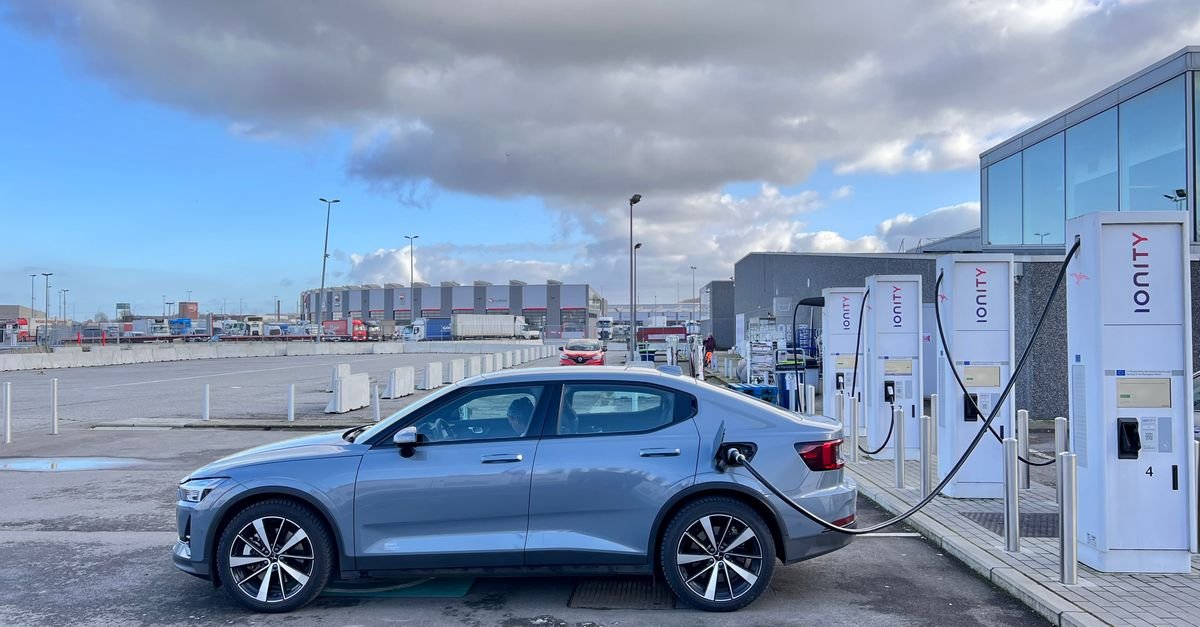
Agent-Based Model Reveals EV and V2G Urban Energy Integration Pathways
⚡ AI Executive Summary
Researchers have developed a multi-layer agent-based computational model to evaluate how electric vehicles and vehicle-to-grid technology can be integrated within urban distributed energy systems. The study examines the interactions between multiple stakeholders—vehicle owners, grid operators, and energy managers—to understand how V2G systems might support grid flexibility and local energy resilience in city environments. The findings suggest that V2G adoption could fundamentally reshape urban grid operation by converting parked vehicles into distributed storage assets, reducing peak demand stress on centralized infrastructure. This distributed approach may enable cities to absorb renewable energy more effectively while deferring costly grid upgrades. However, successful deployment depends on coordinating competing incentives among users, optimizing charging schedules, and ensuring battery longevity remains economically viable. For utilities planning microgrids and demand response programs, this research indicates that V2G systems merit pilot deployment in urban districts where vehicle utilization patterns are predictable and grid congestion is a persistent constraint.
This is a brief summary of reporting originally published by Energy Conversion and Management: X. Read the full article for the complete story:
Read the full story at Energy Conversion and Management: X ↗Related in Storage & EV