Agrivoltaics Balances Solar Energy and Agricultural Production
⚡ AI Executive Summary
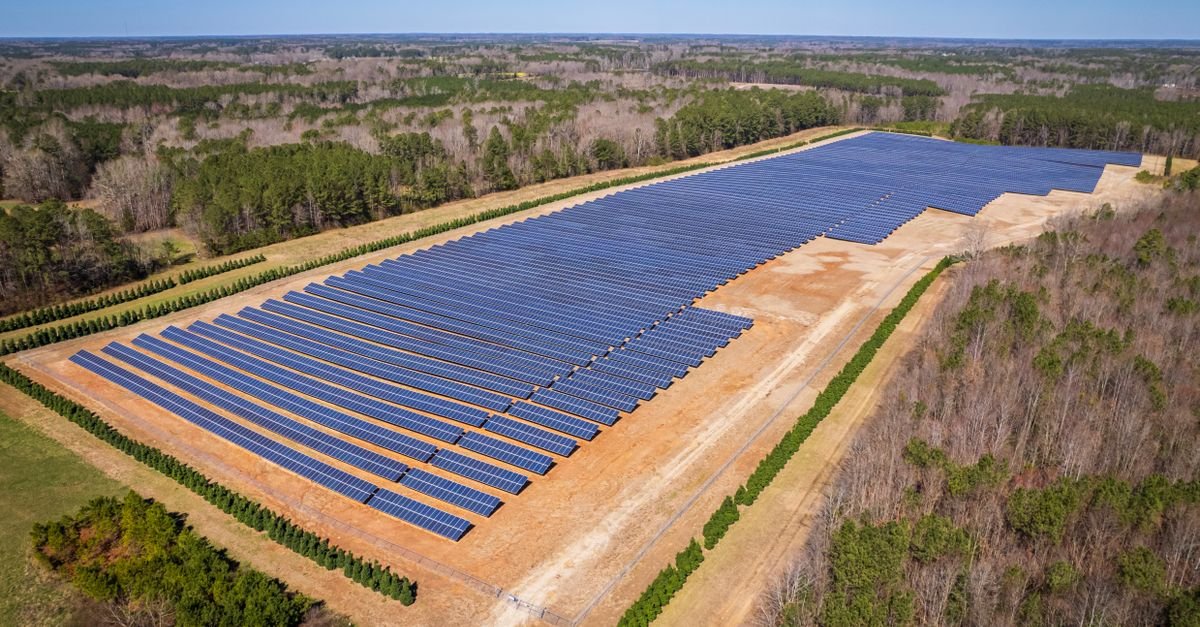
Agrivoltaics—the practice of integrating solar panels with farming on shared land—is gaining attention as a potential solution to competing land-use demands. Rather than choosing between food production and renewable energy development, this dual-use approach allows both activities to coexist on the same acreage, theoretically optimizing land efficiency and supporting decarbonization goals. For power systems, agrivoltaics presents both opportunities and constraints. While it expands the geographic footprint available for distributed solar deployment without eliminating agricultural output, it introduces design trade-offs: panel height, spacing, and orientation must be calibrated to maintain crop yield, potentially reducing per-acre power density compared to conventional solar farms. Grid planners should view agrivoltaics as a complementary resource in rural electrification strategies, especially where land-use conflict would otherwise delay solar expansion. However, the variable shading and complex layout geometry may affect inverter performance and require sophisticated monitoring. Success depends on site-specific agronomic and engineering validation rather than one-size-fits-all deployment.
This is a brief summary of reporting originally published by CleanTechnica. Read the full article for the complete story:
Read the full story at CleanTechnica ↗Related in Solar & Wind