Agrivoltaics offers pathway to India's fertilizer self-reliance
⚡ AI Executive Summary
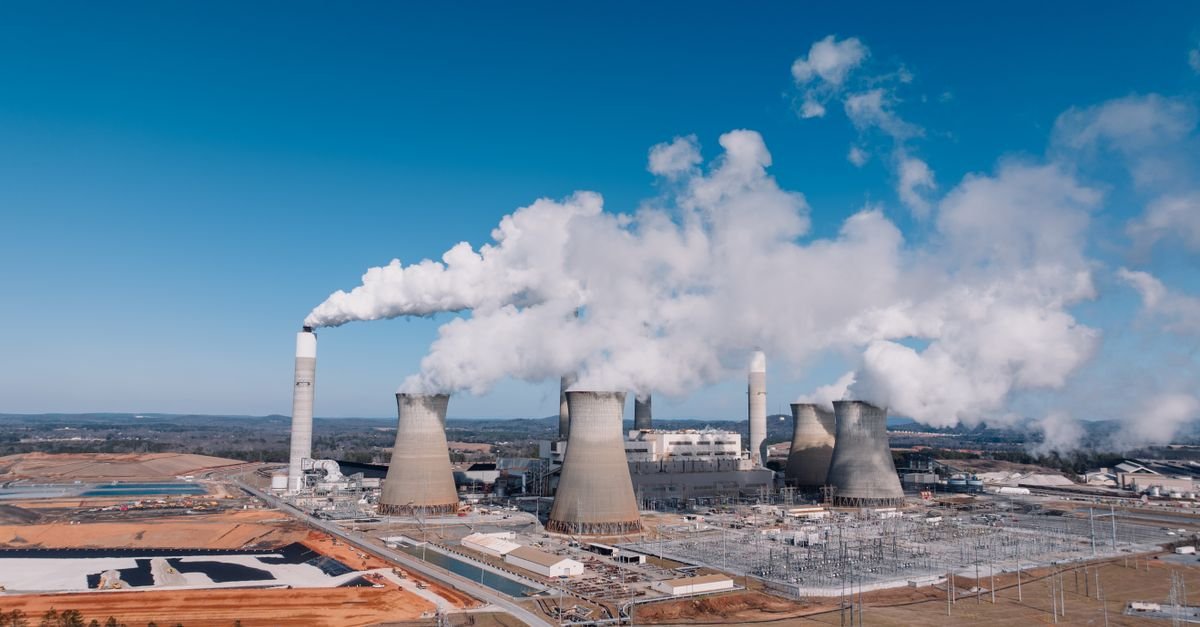
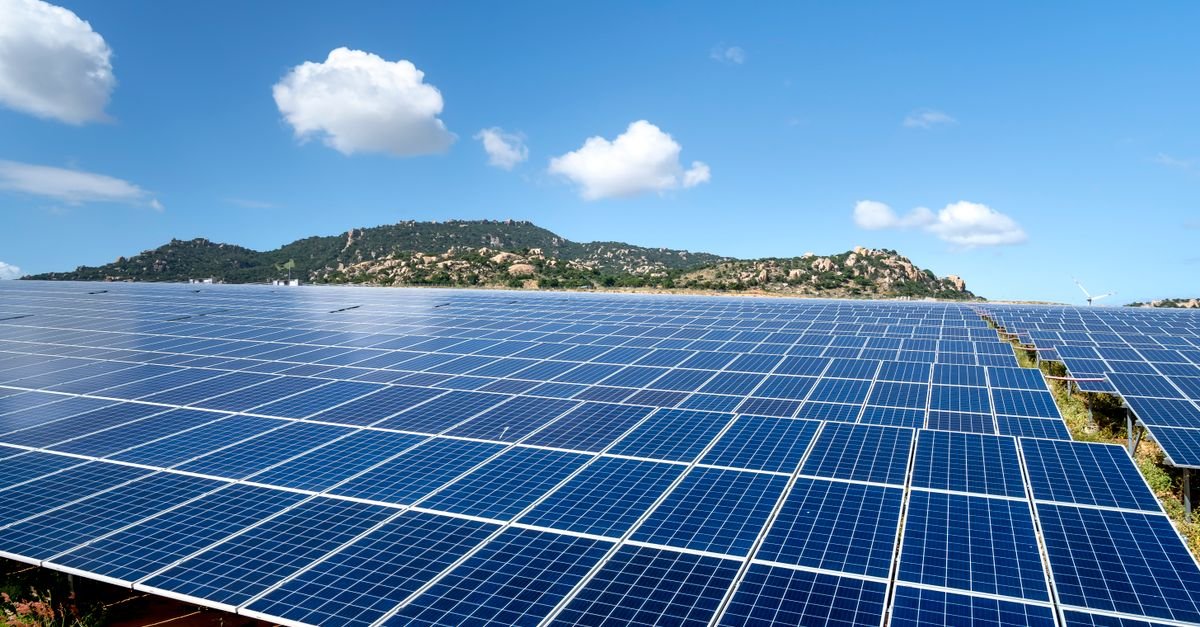
India faces structural vulnerability in fertilizer production due to heavy reliance on imported natural gas, which accounted for over 80% of feedstock inputs in 2025 and drove subsidy costs exceeding $17.9 billion annually. A proposed integrated approach combines agrivoltaic solar installations with maize cultivation, ethanol production, and urea manufacturing to create a localized, circular energy system that reduces gas dependency and strengthens rural economies. This model addresses a critical grid-energy-agriculture nexus: renewable electricity from agrivoltaics would power ethanol fermentation and green hydrogen production, while captured CO₂ from fermentation replaces fossil-derived sources in ammonia synthesis. The framework leverages existing policy mechanisms—KUSUM 2.0 agrivoltaic targets and ethanol blending mandates—to create multiple revenue streams for farmers and industry alike. For power professionals, the case illustrates how distributed renewable generation, when coupled with industrial demand aggregation and carbon-to-value conversion, can simultaneously solve energy security, agricultural resilience, and subsidy pressures at scale.
This is a brief summary of reporting originally published by PV Magazine. Read the full article for the complete story:
Read the full story at PV Magazine ↗Related in Policy & Markets