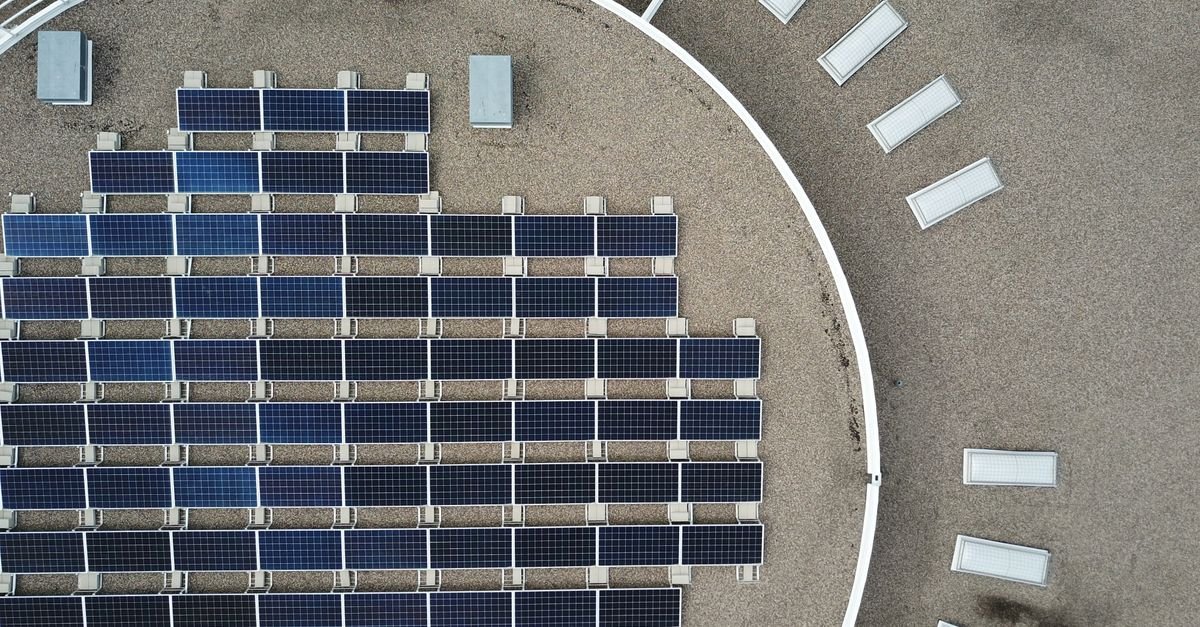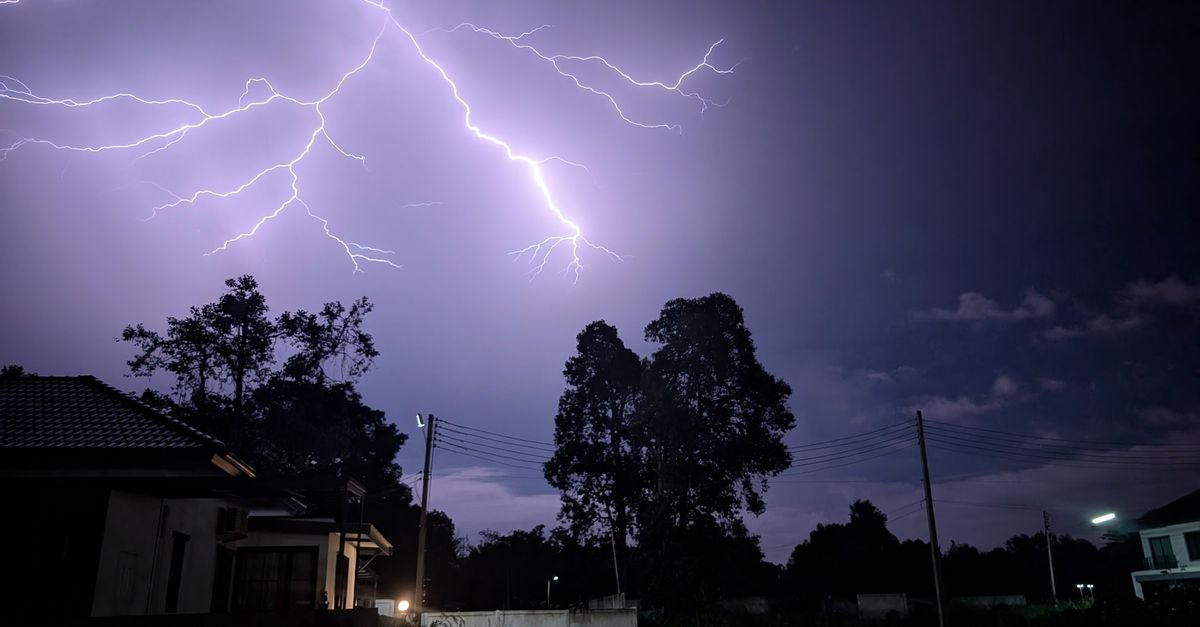
Power systems with high renewable energy penetration face severe operational challenges during extreme stagnant weather—periods of sustained calm and static conditions that reduce wind and solar output simultaneously. Traditional mathematical optimization approaches struggle to solve intraday dispatch problems in real time under these scenarios, risking cascading outages and widespread load shedding.
Researchers have now deployed a machine learning solution using the Twin Delayed Deep Deterministic Policy Gradient (TD3) algorithm to optimize power dispatch decisions within minutes of weather onset. The approach models intraday dispatch as a sequential decision-making problem through a Markov Decision Process framework, allowing an intelligent agent to learn optimal actions across thousands of simulated extreme-weather scenarios.
The TD3 algorithm uses paired actor-critic neural networks—one network learns what action to take, while another evaluates action quality. This dual structure reduces overestimation errors common in simpler reinforcement learning methods, producing more conservative and reliable dispatch decisions.
When tested on the IEEE 24-bus standard test system, TD3 outperformed competing algorithms including the standard Deep Deterministic Policy Gradient (DDPG) and Soft Actor-Critic (SAC). Critically, it reduced average load shedding by 11.5–14.8% while maintaining system costs between $247,900 and $248,400 across all test scenarios. The algorithm computed optimal dispatch in 0.02 seconds per decision—over 500 times faster than Model Predictive Control baselines that require 10–15 seconds.
The speed improvement is essential for grid operators managing real-time conditions. During extreme stagnant weather, rapid response prevents violation of transmission line thermal limits and reduces unplanned blackouts. The zero power flow violations observed across all tests demonstrate the algorithm's robustness.
This work addresses a growing operational bottleneck: traditional optimization methods cannot scale fast enough for modern grids with 40–60% renewable penetration. As climate patterns intensify extreme weather events, intelligent dispatch algorithms become critical infrastructure for maintaining reliable electricity supply.