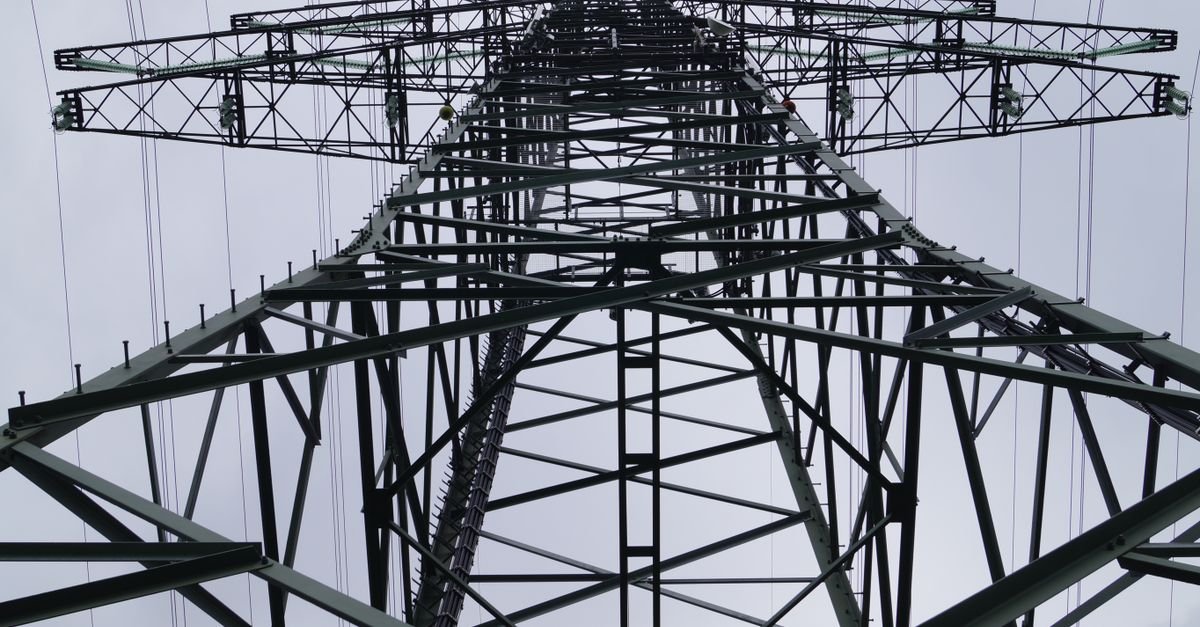
Data centers in typhoon-prone regions face mounting pressure to maintain continuous operations during extreme weather. Researchers have proposed an integrated forecasting and response framework that combines weather prediction modeling with artificial intelligence to enhance power supply resilience during typhoon events.
The approach integrates two core technologies: the WRF (Weather Research and Forecasting) physical model and FEDformer, a deep learning temporal encoder. Together, they generate detailed spatiotemporal probability maps showing where and when power infrastructure risks are highest during typhoon passage. This prediction layer feeds into a dynamic resource management system that classifies non-critical loads and determines optimal transfer pathways to mobile energy storage systems.
The key innovation lies in differentiated response strategies. Rather than applying blanket load-shedding measures, the system uses predicted risk probabilities to implement targeted interventions. During high-risk periods, non-critical loads are transferred to dedicated mobile battery units, while critical infrastructure maintains priority access to grid supplies. The optimization model employs two-stage robust planning to balance reliability against operational costs.
Validation using the Yangliu typhoon case demonstrated significant improvements over conventional approaches. Voltage stability remained high with only 3.8% sag-switching incidents. Frequency deviation was contained within 0.12 Hz—well within acceptable ranges. Most critically, the system achieved 100% power supply availability during the extreme event, compared to 76.3% under baseline conditions. Non-critical load transfer capacity expanded by 250%, providing substantial operational flexibility.
For the data center industry, this framework addresses a critical vulnerability. As climate patterns intensify extreme weather events, predictive resilience strategies reduce outage risk and associated costs from data loss and service interruption. The approach is particularly valuable for large regional data centers serving financial, healthcare, and telecommunications sectors where downtime carries severe consequences.