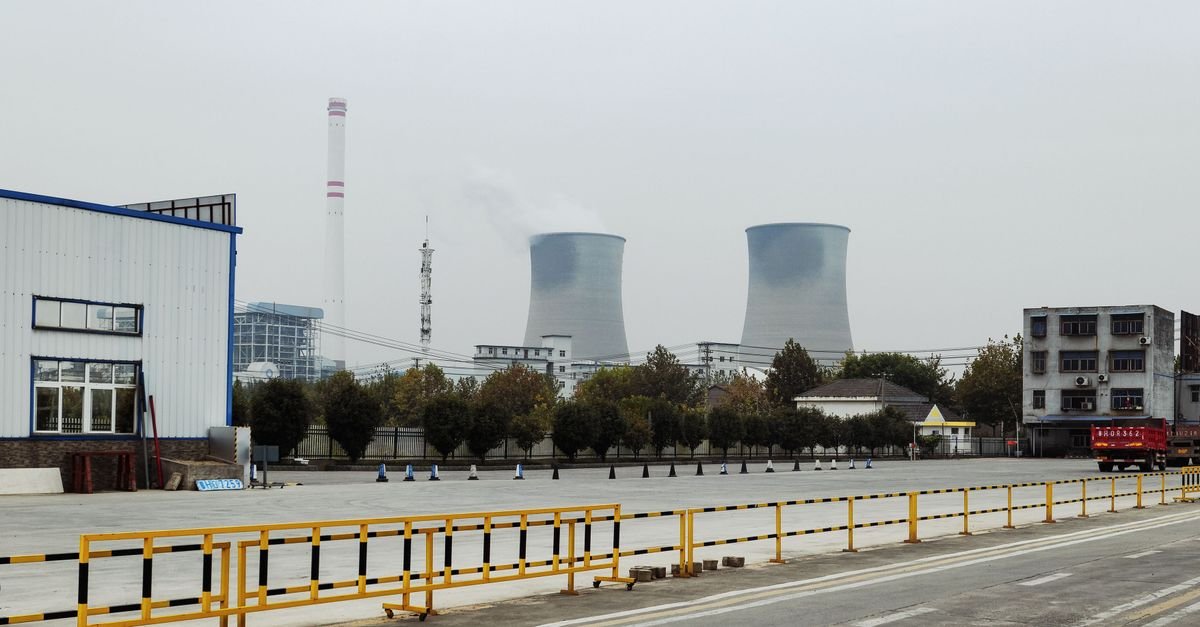
Accurate energy consumption forecasting is essential for China's energy security strategy and its commitment to carbon reduction targets. Existing prediction models often fail to account for residual information and algorithmic variability, creating reproducibility challenges for policymakers. Researchers have developed an advanced hybrid modeling framework that bridges these limitations through a two-stage approach: baseline fitting followed by residual correction.
The model integrates Kernel Ridge Regression with Support Vector Regression, optimized using both classical and quantum-enhanced fruit fly optimization algorithms. The quantum-enhanced variant (QFOA-SVR combined with KRLS) proved most effective for predicting electricity consumption patterns, while the classical fruit fly algorithm (FOA-SVR with KRLS) delivered superior performance for energy intensity metrics—the amount of energy required per unit of economic output.
Testing across 300 provincial observations spanning 2014 to 2023, the study employed rigorous reproducibility protocols with fixed random seeds and 30 repeated experimental runs to ensure result consistency. Analysis revealed significant regional heterogeneity: eastern provinces demonstrated considerably lower prediction errors compared to western and northern regions, reflecting differences in industrial structure, urbanization, and energy infrastructure maturity.
These performance variations have direct policy implications. Eastern regions, already efficient in energy utilization, may benefit from optimization and peak-shaving strategies, while western and northern provinces require targeted investments in energy efficiency infrastructure and technology transfer. The model's regional sensitivity provides a data-driven foundation for implementing differentiated energy policies rather than one-size-fits-all national mandates.
As China advances toward its dual carbon objectives—peak emissions by 2030 and carbon neutrality by 2060—more accurate, regionally customized forecasting tools become critical for resource allocation and grid planning. This hybrid approach offers improved predictability for both short-term operational planning and long-term energy infrastructure development across China's diverse economic landscape.