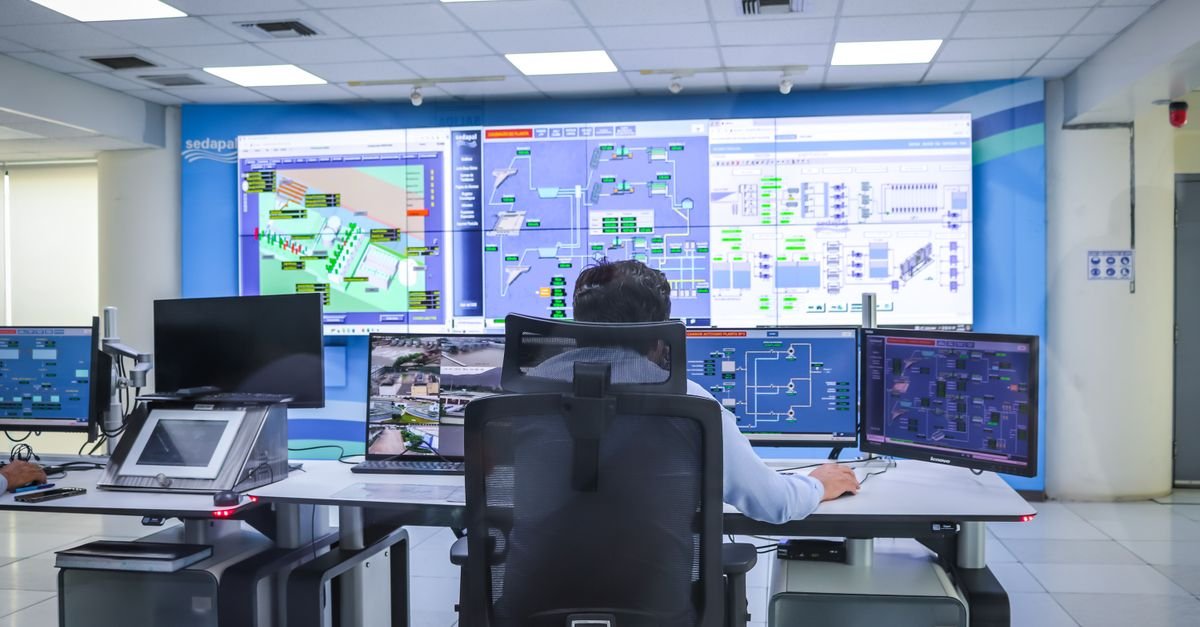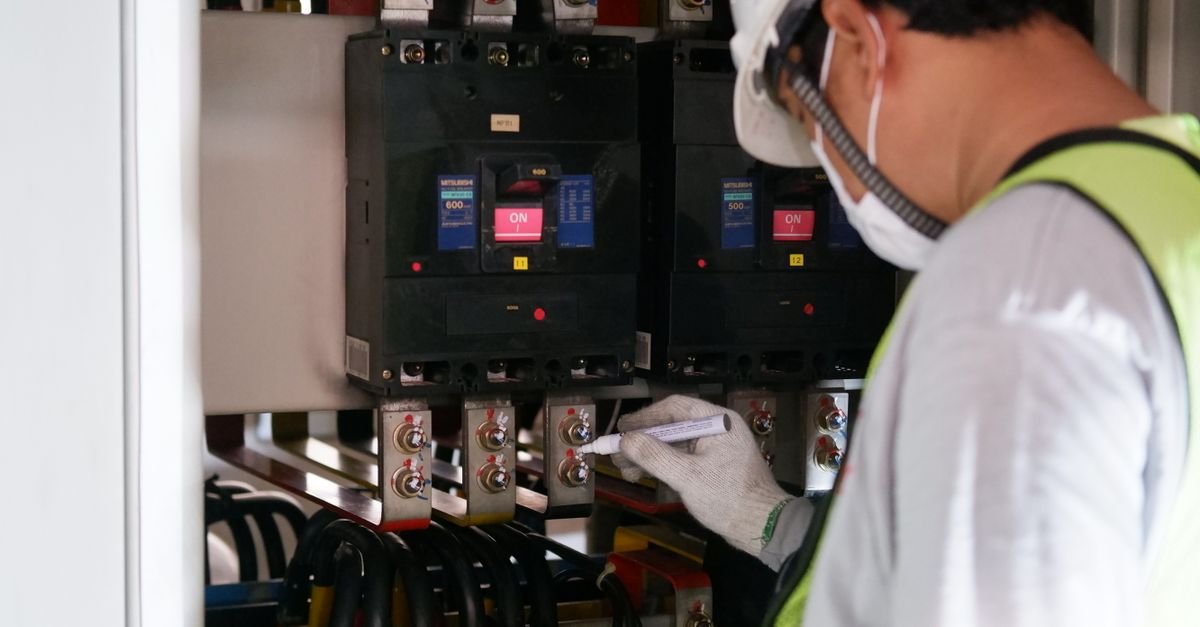
Distribution network operators face significant challenges when manually preparing work tickets—operational documents that guide field technicians through complex electrical procedures. Errors, incomplete safety steps, or inconsistent terminology can delay work, compromise worker safety, and violate regulatory requirements. A new study presents an intelligent ticket generation system that combines machine learning with domain-specific safety knowledge to produce more accurate and compliant work instructions.
The system integrates three core elements: a distribution network safety rule base that captures mandatory operational requirements, a standardized terminology table ensuring consistent language use, and a Chinese BART language model (a transformer-based generative AI) trained on historical work tickets. When an operator inputs task details—such as voltage level, equipment type, and operation description—the system generates the complete ticket while the embedded safety rules act as a verification layer, ensuring critical safety steps are never omitted.
Testing on real-world ticket data from a provincial utility showed substantial improvements over baseline approaches. The ROUGE-L metric, which measures content alignment quality, improved by 53.58 percent. Critically, the system achieved significantly higher retention of key safety-related steps, indicating that worker safety is better protected in generated tickets compared to human-only preparation.
The research highlights an important automation opportunity for utilities struggling with operational efficiency and compliance. Work ticket generation represents a high-volume, repetitive task where machine assistance can reduce preparation time while enforcing safety standards systematically. However, the authors emphasize important limitations: the model was trained on a single utility's procedures and terminology conventions. Real-world deployment will require validation across different regions, voltage classes, and utility management frameworks to ensure the system generalizes reliably. Shadow-mode trials—where the AI system runs parallel to human operators without affecting actual operations—represent the next critical step before full-system implementation.