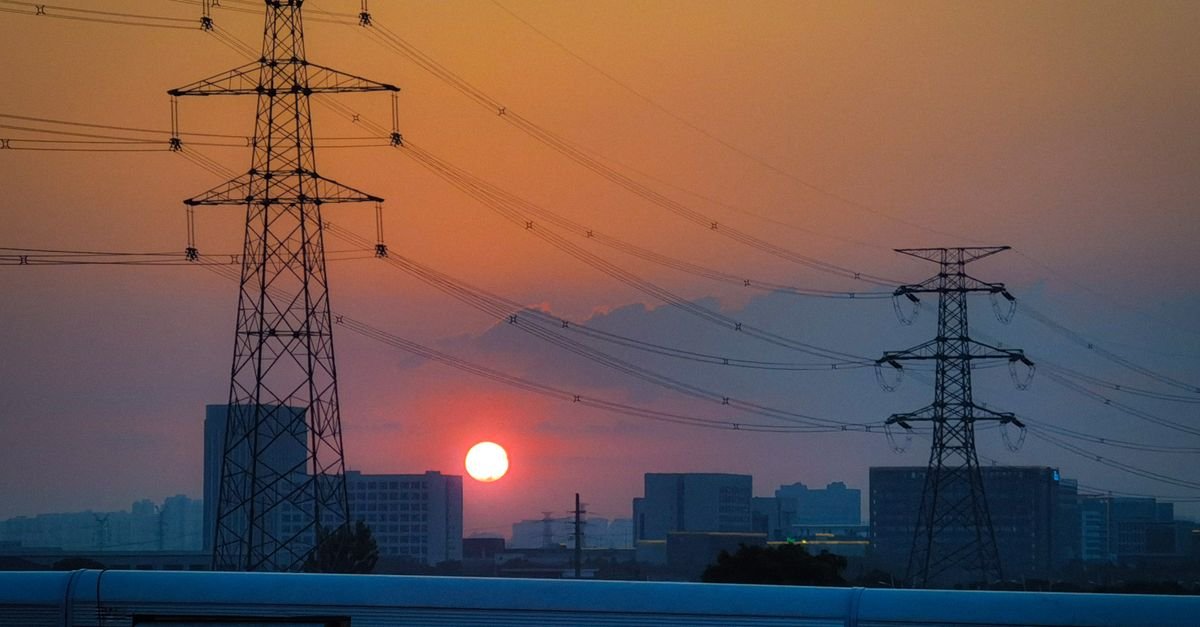
Long-distance depth estimation along power transmission corridors presents unique technical challenges that conventional computer vision methods struggle to solve. Aerial inspections of transmission lines spanning hundreds to thousands of meters encounter weak-textured backgrounds, complex visual interference from vegetation and buildings, and inherent ambiguity in monocular imaging systems. These limitations have historically compromised the reliability of automated inspection workflows.
Researchers have addressed these constraints through a novel geometric prior-guided multi-scale transformer architecture. The system integrates domain-specific knowledge about transmission infrastructure into a deep learning framework. By incorporating geometric constraints—such as the linear alignment of towers, parallel wire configurations, and terrain smoothness—the algorithm gains structural understanding unavailable to generic depth estimation models.
The technical approach combines two key innovations. A multi-scale global-local attention module captures both distant dependencies and fine structural details simultaneously, critical for maintaining accuracy across the extreme spatial ranges typical in transmission channel imaging. Additionally, a geometric consistency loss function constrains predictions by enforcing the inherent geometric rules of power infrastructure, effectively reducing depth ambiguity in areas with minimal visual texture, such as sky regions.
Performance validation on a newly created power transmission channel dataset shows substantial improvements over state-of-the-art methods: 18.7% better root mean square error, 23.2% improvement in mean absolute error, and 15.5% gains in standard depth estimation metrics. The system maintains competitive accuracy on public benchmark datasets, confirming generalization capability.
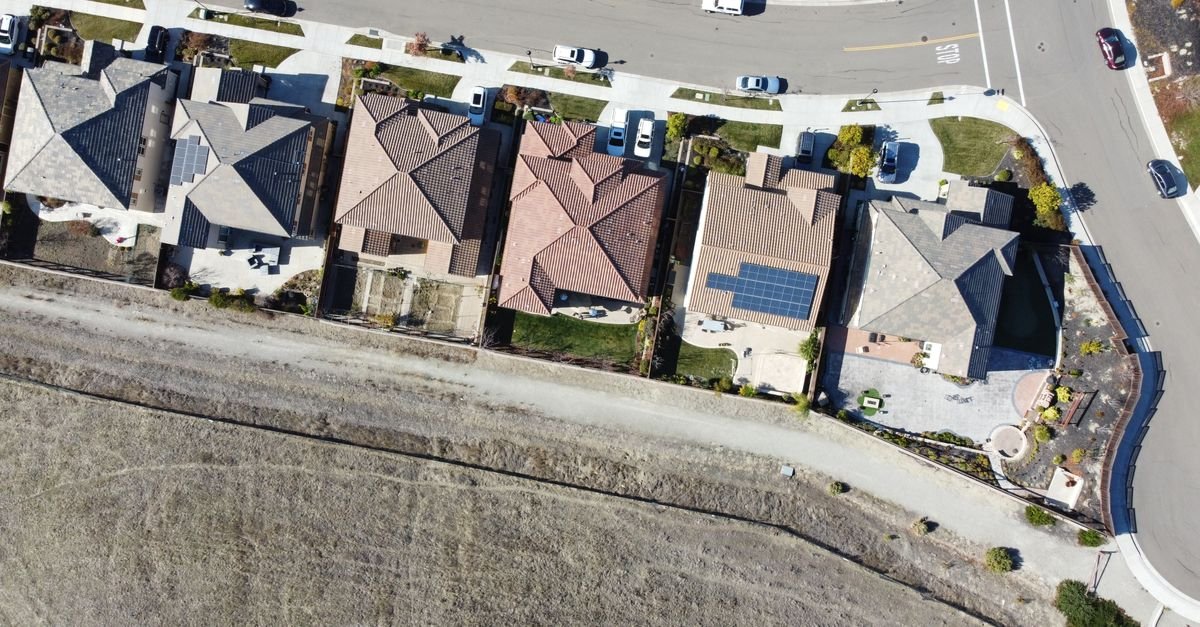
Practical deployment testing using unmanned aerial vehicles demonstrates real-world feasibility. This advancement enables more reliable autonomous inspection workflows, reducing the need for manual transmission corridor surveys and improving safety by identifying structural defects earlier through accurate three-dimensional reconstruction. The technology represents meaningful progress toward fully automated infrastructure monitoring in the energy sector.