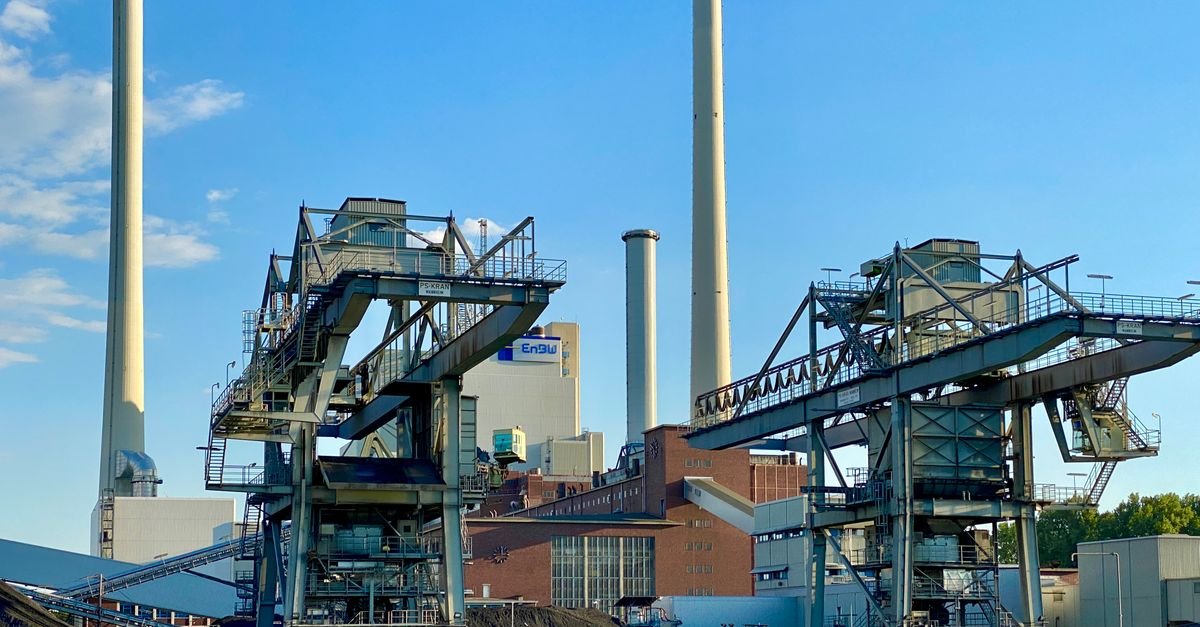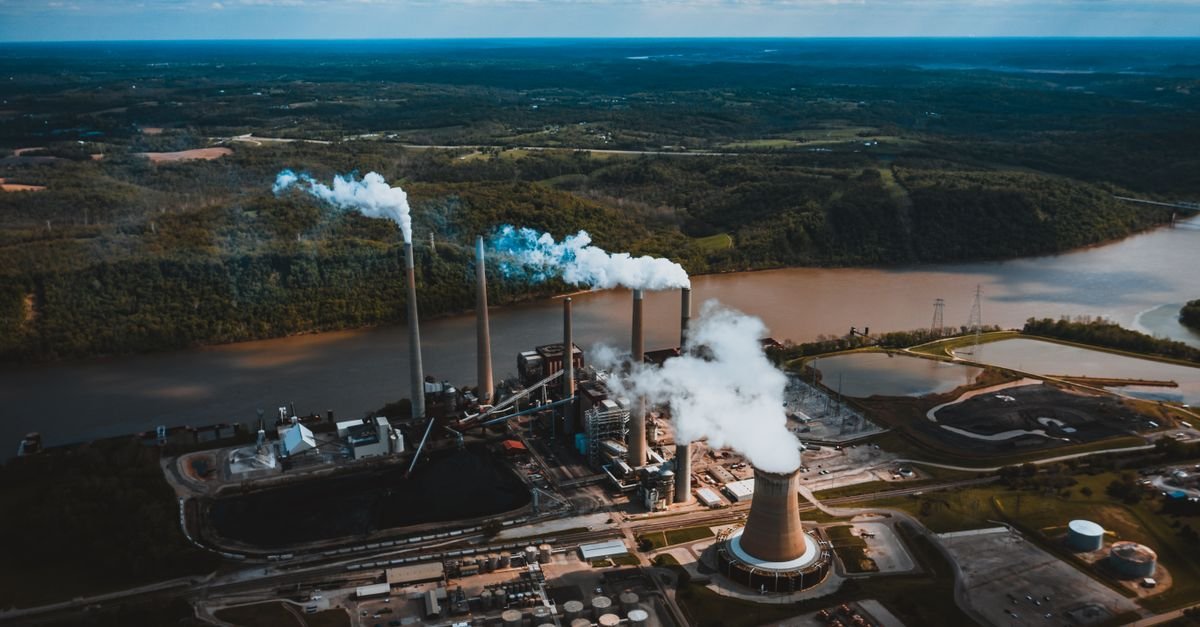
Austria faces a critical energy security challenge rooted in its dependence on imported fossil fuels, particularly Russian natural gas for industrial and heating applications and petroleum for transportation. Recent geopolitical shocks—including the Ukraine conflict and Middle East tensions—have exposed the economic fragility this reliance creates. While government and stakeholder responses have prioritized supply diversification, a new analysis suggests this approach overlooks a more powerful and readily available solution: demand-side interventions.
Researchers evaluated both supply- and demand-side strategies across diverse energy security metrics using an accounting framework. The study examined interventions spanning three major consumption sectors: buildings, transport, and industry. Results demonstrate that demand-side actions—encompassing efficiency improvements, behavioral changes, and consumption reduction—outperform conventional import diversification in strengthening resilience and reducing systemic vulnerability.
Beyond energy security, demand-side measures deliver substantial co-benefits often absent from supply-focused policies. These include emissions reductions aligned with climate goals, improved public health through reduced air pollution and enhanced building conditions, job creation in retrofit and efficiency sectors, and improved trade balance by reducing import expenditures.
The research highlights a critical policy gap: Austria's current emphasis on expensive supply-side infrastructure—such as new import terminals and pipelines—risks locking the energy system into a costly, inflexible pathway that hinders transformational change. Demand-side interventions, by contrast, remain flexible and scalable while delivering immediate security gains.
The study calls for a policy reorientation away from reactive emergency measures toward proactive demand reduction strategies. This shift would position Austria to harness substantial untapped potential while simultaneously advancing multiple policy objectives. Policymakers are urged to view demand-side actions not as supplementary measures but as foundational components of genuine energy security, economic resilience, and sustainable development.