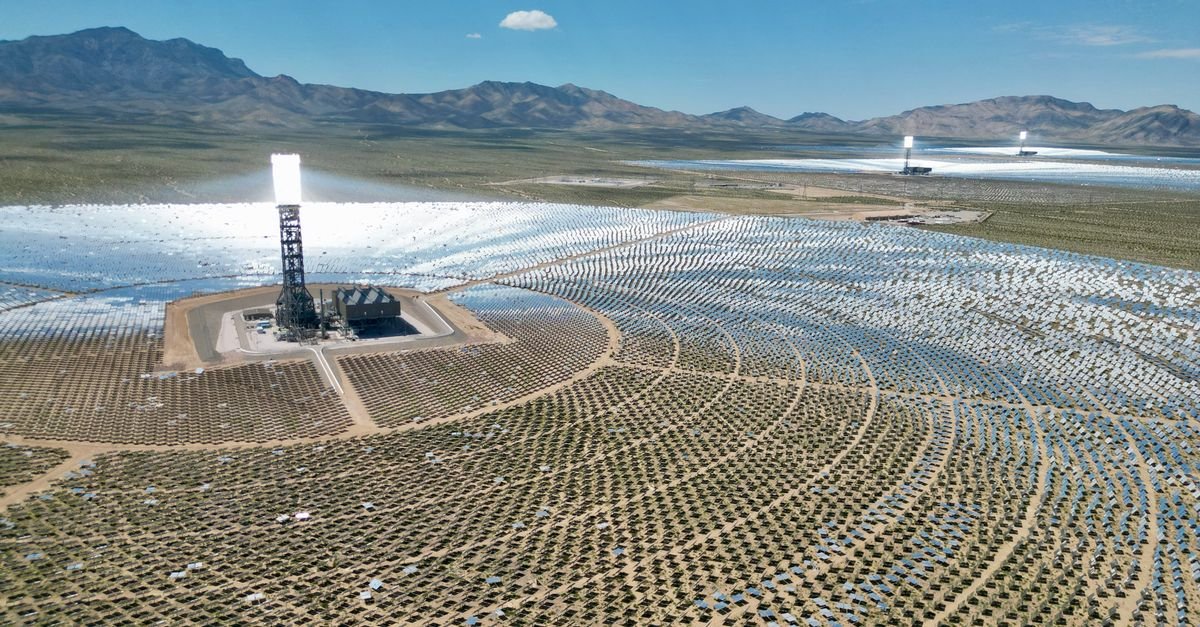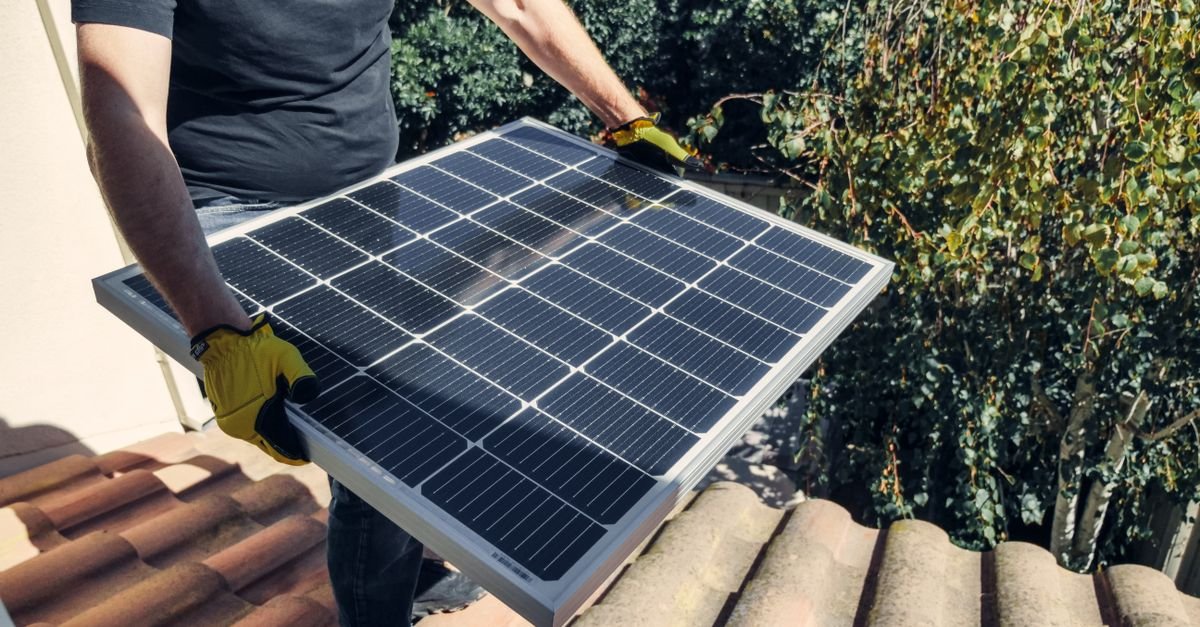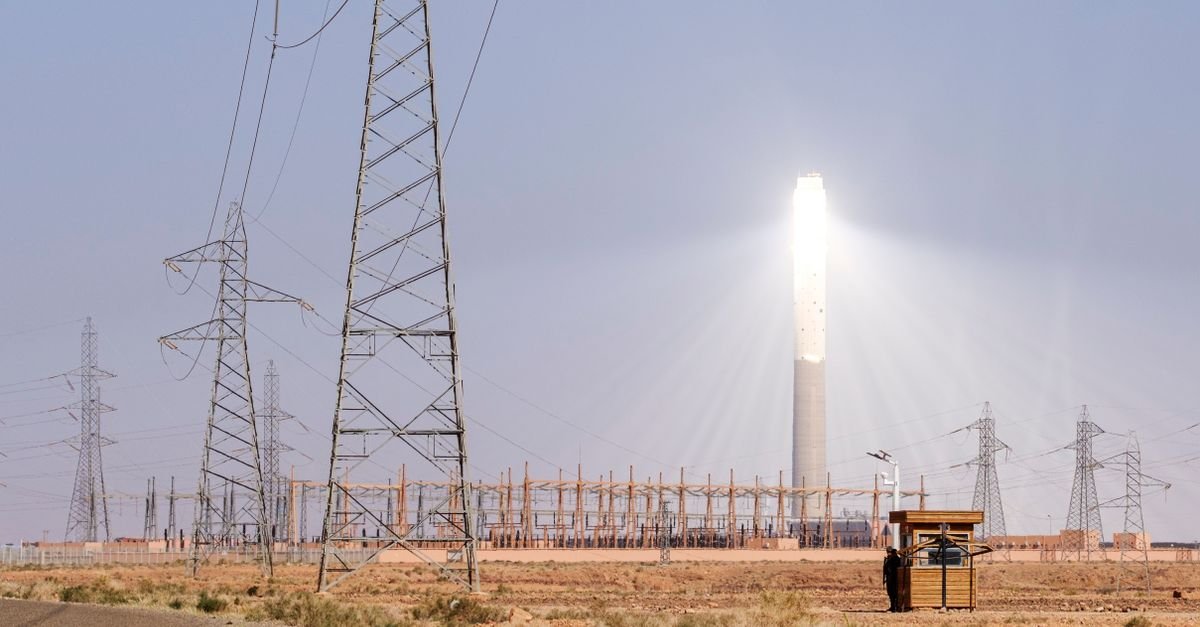
California's electricity grid has reached a historic inflection point. Data from CAISO's Hourly Electric Grid Monitor reveals that utility-scale solar generation surpassed natural gas generation during the first five months of 2026, marking a significant milestone in the state's energy transition.
The numbers are striking. Solar electricity generation increased 21% compared to the same period in 2025, driven by continued deployment of photovoltaic capacity across the state. Simultaneously, natural gas generation plummeted 60%, reflecting both the displacement effect of renewable energy and deliberate policy measures to retire or reduce reliance on fossil fuel plants.
This transition carries profound implications for grid operators and power system planners. While the displacement of natural gas is environmentally beneficial, it introduces operational complexities that CAISO must actively manage. Solar generation is intermittent and weather-dependent, creating steep ramps during morning and evening transitions and introducing variability that traditional dispatchable generators once smoothed. The dramatic reduction in gas generation means fewer conventional power plants are available to provide frequency support, voltage regulation, and black-start capability.
CAISO has responded by investing in battery storage, demand response programs, and enhanced forecasting tools. However, the rapid pace of this transition—compressed into just a few years—tests system reliability in ways that require continuous innovation. Operators must balance aggressive renewable targets with the practical need to maintain grid stability and avoid blackouts during periods of high demand and low solar output.
The implications extend beyond California. As other regions pursue similar renewable energy policies, they will face comparable challenges. The CAISO experience demonstrates both the opportunity and the operational reality of solar-dominant grids. Success requires not only continued renewable deployment but also complementary investments in flexible resources, interconnection upgrades, and advanced grid management technologies. California's achievement suggests the renewable transition is technically feasible, but also underscores that engineering excellence remains essential.