Carbon Capture and Storage Technologies Advance Toward 2026 Deployment
⚡ AI Executive Summary
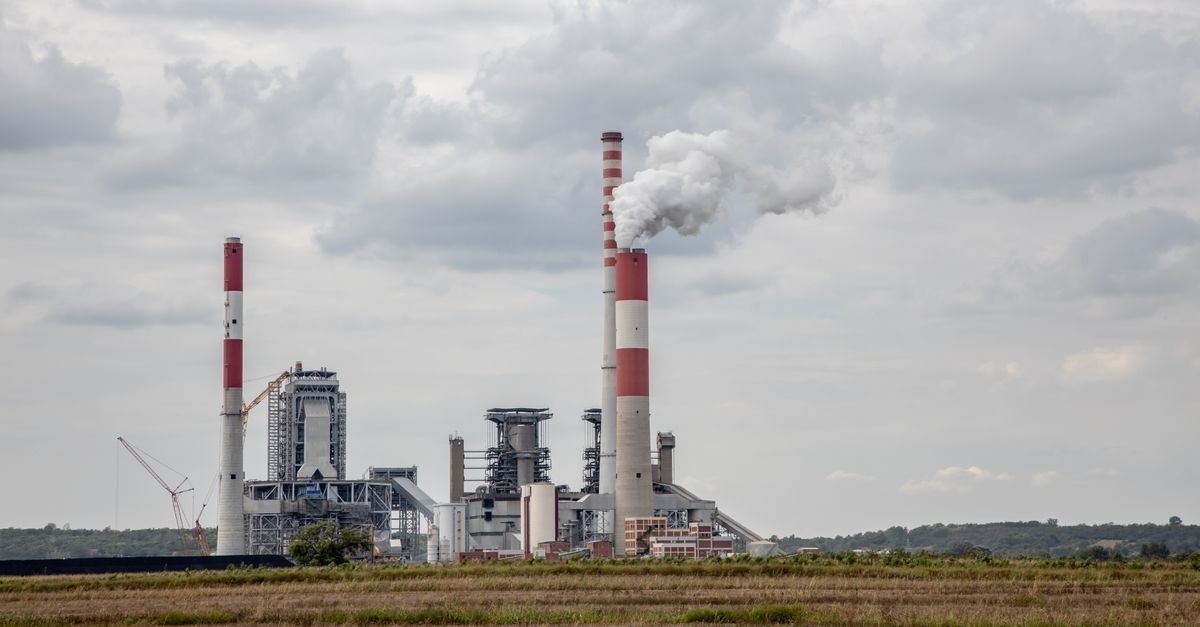
Recent developments in carbon capture, utilization, and storage (CCUS) technologies indicate accelerating progress toward commercial-scale implementation, with multiple projects advancing through pilot and demonstration phases globally. Industry analysts track improvements in capture efficiency, cost reduction, and material science innovations that support broader deployment timelines. For power systems, CCUS integration presents both opportunity and complexity: thermal power plants equipped with capture systems can extend operational life while reducing emissions, but the energy penalty of capture and compression demands careful grid planning. The co-location of CCUS infrastructure with existing generation assets will reshape regional carbon accounting and influence retirement decisions for aging coal and natural gas capacity. Success depends on coordinating storage site development, transport infrastructure, and regulatory frameworks—challenges that extend beyond technology alone and into energy policy and grid operations.
This is a brief summary of reporting originally published by Global CCS Institute. Read the full article for the complete story:
Read the full story at Global CCS Institute ↗Related in Policy & Markets