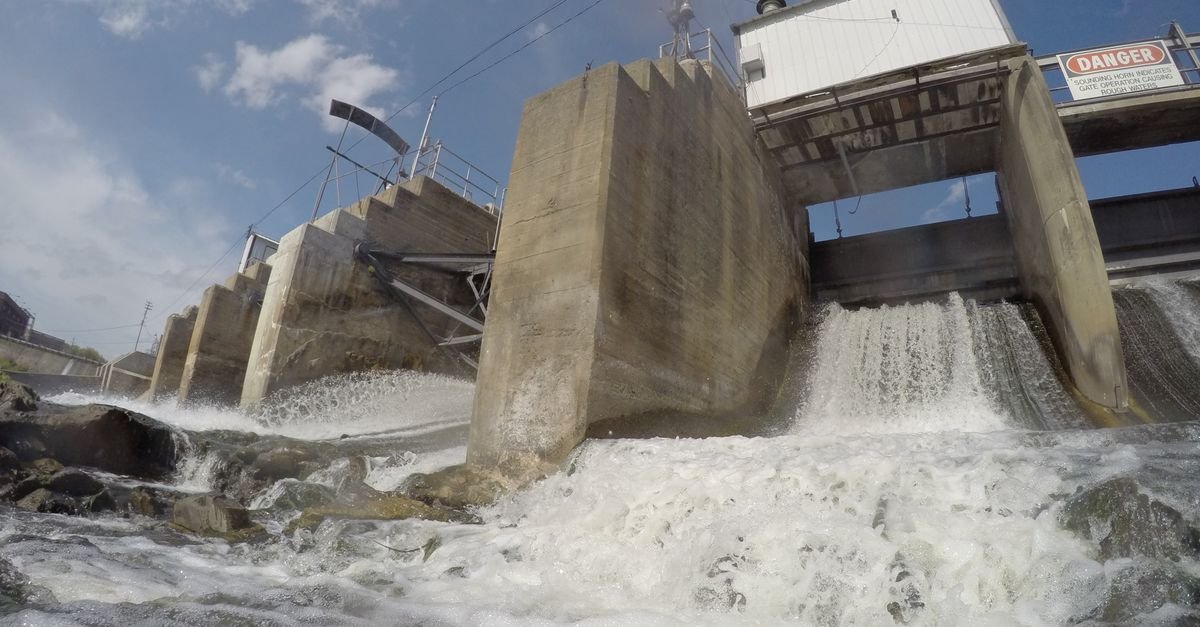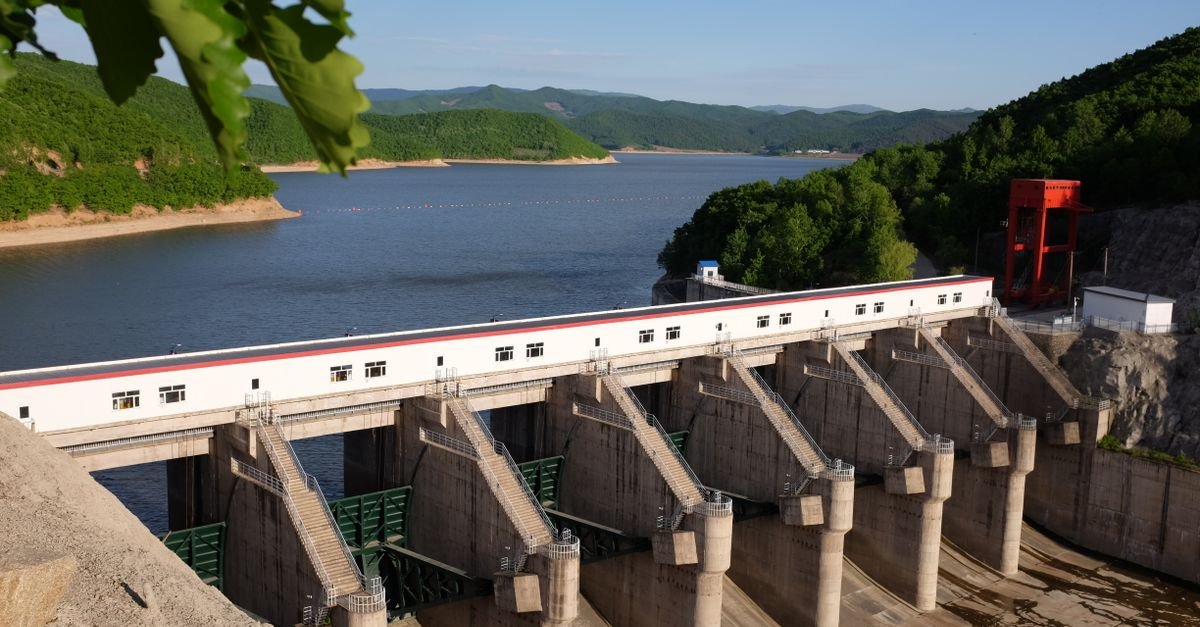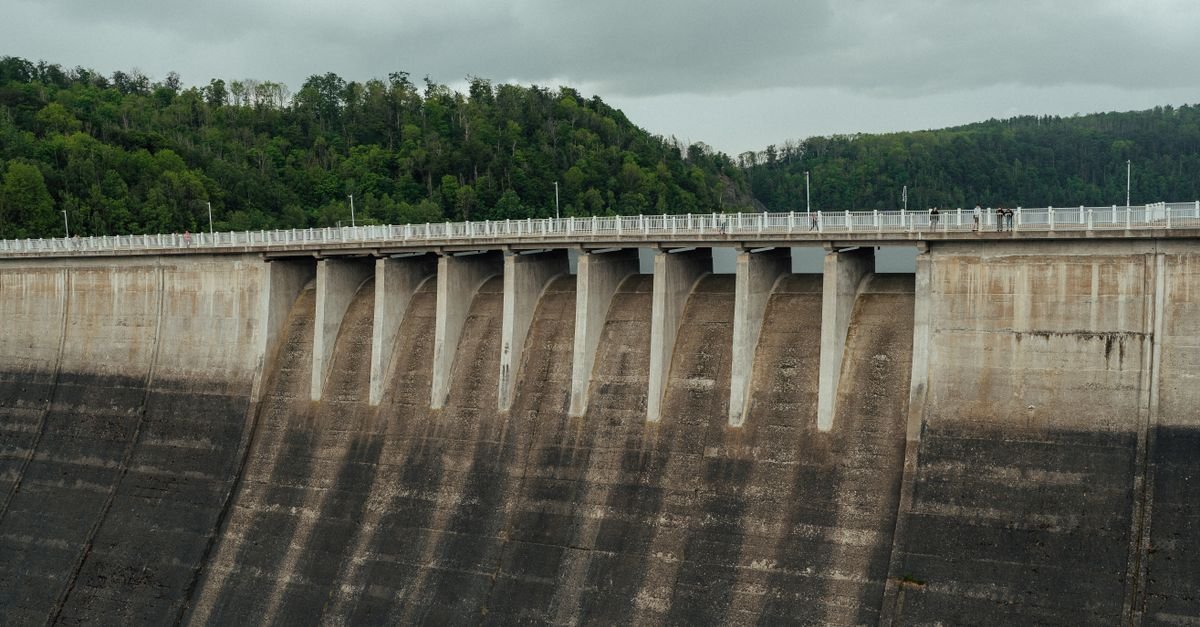
Small hydropower stations present unique challenges for grid operators: unlike large reservoirs, they have minimal storage capacity and are highly sensitive to precipitation variability. When multiple stations operate in cascade—each receiving outflow from upstream facilities—hydrological dynamics create complex interdependencies that traditional scheduling models fail to capture effectively.
Researchers have developed a new framework that treats cascaded small hydropower aggregations as coordinated virtual power plants (VPPs), with explicit modeling of hydrological processes. The approach combines the Xin'anjiang rainfall-runoff model and Muskingum flow routing method to trace water propagation through the river network, revealing how upstream precipitation affects downstream station availability hours or days later.
The optimization strategy uses a Wasserstein distance-based distributionally robust model to handle multiple uncertainties simultaneously: precipitation variability, wind generation, and solar output. Rather than assuming worst-case scenarios, this method identifies probability distributions that protect against a defined range of adverse conditions, balancing economic efficiency with operational robustness.
Field testing on a real river basin demonstrated significant improvements: total operating costs fell 22.6%, net revenue increased 57.1%, and flexibility deficit costs dropped 68.0%. These gains reflect better exploitation of the natural temporal smoothing effect that cascaded systems provide—upstream storage (both in reservoirs and river channels) naturally spreads peak flows, allowing operators to match generator output more closely to demand across multiple hours.
The framework proves especially valuable as grids integrate larger shares of intermittent renewables. While wind and solar facilities offer limited predictability, small hydropower can provide flexible ramping support when coordinated intelligently. By capturing the full physics of water movement, operators unlock economic value that simpler models miss, making small hydropower an increasingly competitive contributor to grid stability and decarbonization goals.