Chicago's lead pipe replacement costs six times the national average
⚡ AI Executive Summary
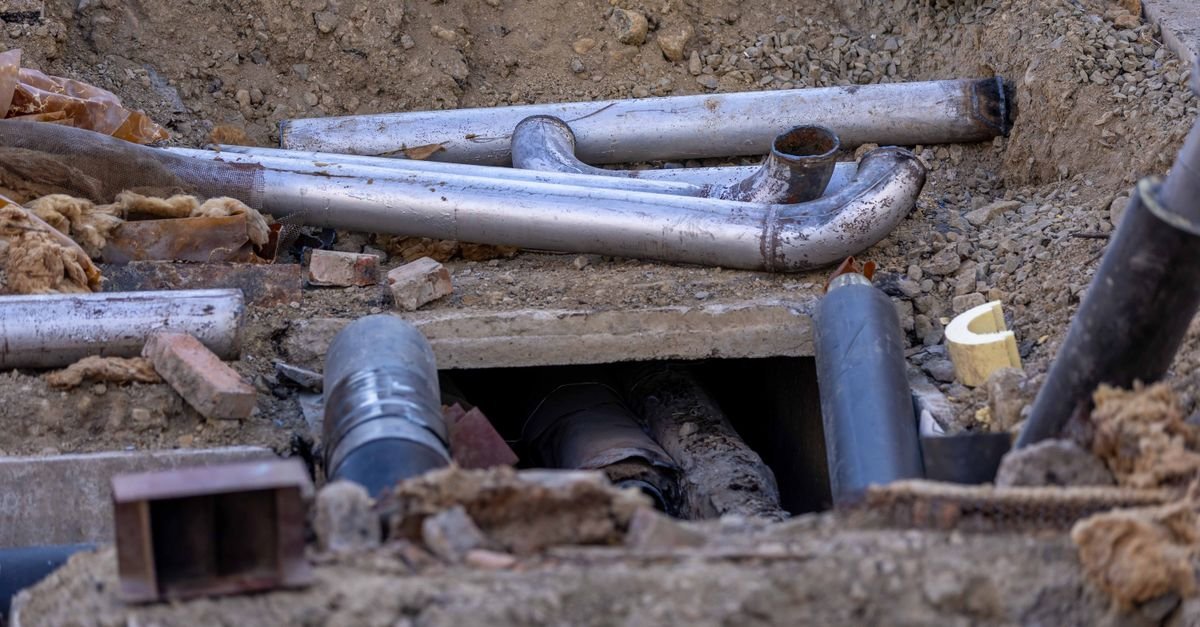
Chicago faces exceptional expenses replacing its 400,000 lead water service lines, with per-line costs averaging $31,000 compared to the EPA's national estimate of $4,700 and peer cities' averages of $6,000–$25,000. At the current rate, full replacement will exceed $12 billion. A federal mandate requires completion within roughly 20 years, creating both fiscal and logistical pressures for the nation's most lead-pipe-burdened municipality. The cost disparity reflects systemic inefficiencies in Chicago's replacement strategy: early contracts lacked specificity, permitting processes remain fragmented and opaque, and the city prioritizes piecemeal replacements over cost-effective block-level work. State law requiring private property owner consent complicates full-line replacements, and fee structures burden homeowners attempting self-funded repairs. Water department transparency gaps obscure root causes, while prevailing wage structures alone cannot explain the premium—peer cities with comparable or higher union labor rates achieve significantly lower costs. Without operational reform and clearer data tracking, federal Infrastructure Investment and Jobs Act funding will prove insufficient to meet the accelerating replacement timeline.
This is a brief summary of reporting originally published by Grist. Read the full article for the complete story:
Read the full story at Grist ↗Related in Policy & Markets