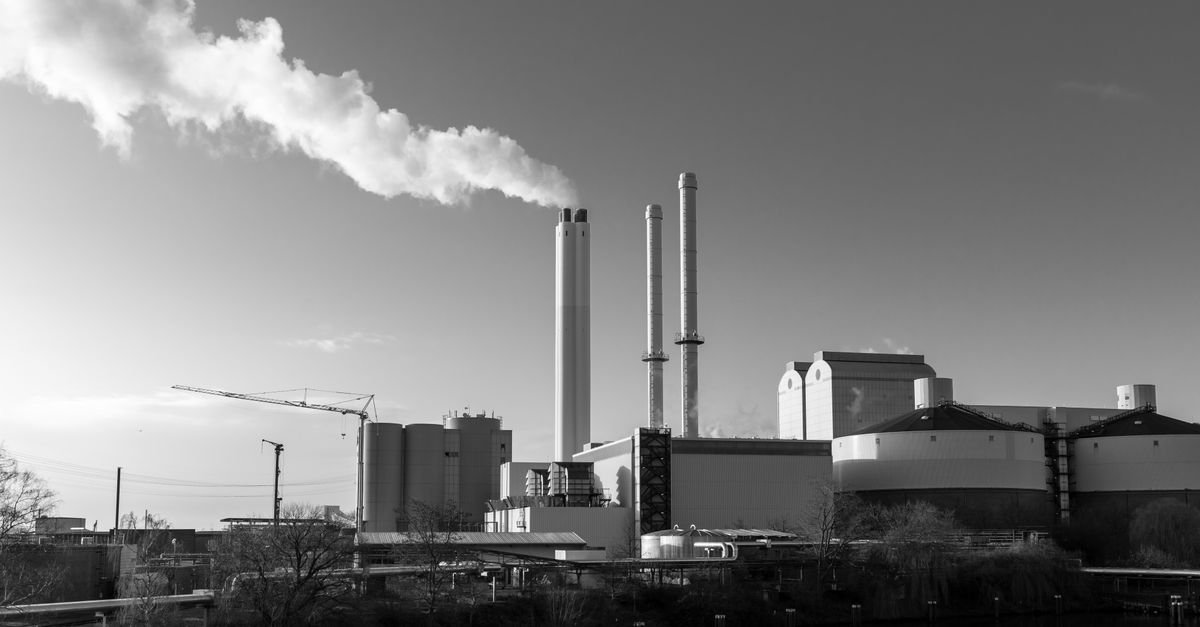
China's heavy reliance on coal-fired generation creates both an urgent need and a complex challenge for carbon capture, utilization, and storage (CCUS) deployment. A new study from researchers analyzing data across 808 coal-fired power plants has mapped the economic and technical constraints that will shape how China scales up CCUS to meet climate targets.
The analysis applied a multi-objective optimization approach, using genetic algorithms to evaluate thousands of deployment scenarios simultaneously. Rather than seeking a single "best" solution, the framework identified Pareto-optimal pathways that balance three competing goals: minimizing total system cost, maximizing net CO2 mitigation, and ensuring energy security through diversified infrastructure.
Key findings reveal significant trade-offs. Achieving maximum annual CO2 mitigation of 1.81 billion tonnes would cost between 378–693 billion Chinese yuan, depending on technology and infrastructure choices. Notably, policy interventions—carbon pricing and subsidies—show diminishing returns. Carbon prices above 50 yuan per tonne and subsidies exceeding 30% yield little additional benefit once transport pipelines and geological storage capacity become fully utilized. This saturation effect suggests policymakers should focus on removing infrastructure bottlenecks rather than endlessly raising financial incentives.
The study highlights two strategies for improving cost-effectiveness. First, diversifying capture technologies across regions—mixing post-combustion, oxy-fuel, and precombustion approaches—boosts resilience while adding only 3–5% to total costs. Second, coordinating CO2 sources and sinks across provinces through inter-regional transport networks reduces system costs by 15–22%, suggesting that infrastructure planning must be national in scope, not provincial.
These findings underscore that scaling CCUS in China demands more than capital investment in capture units. Coordinated pipeline networks, regional storage site development, and realistic policy frameworks aligned with physical infrastructure capacity will determine whether CCUS can play its intended role in China's coal-power transition.