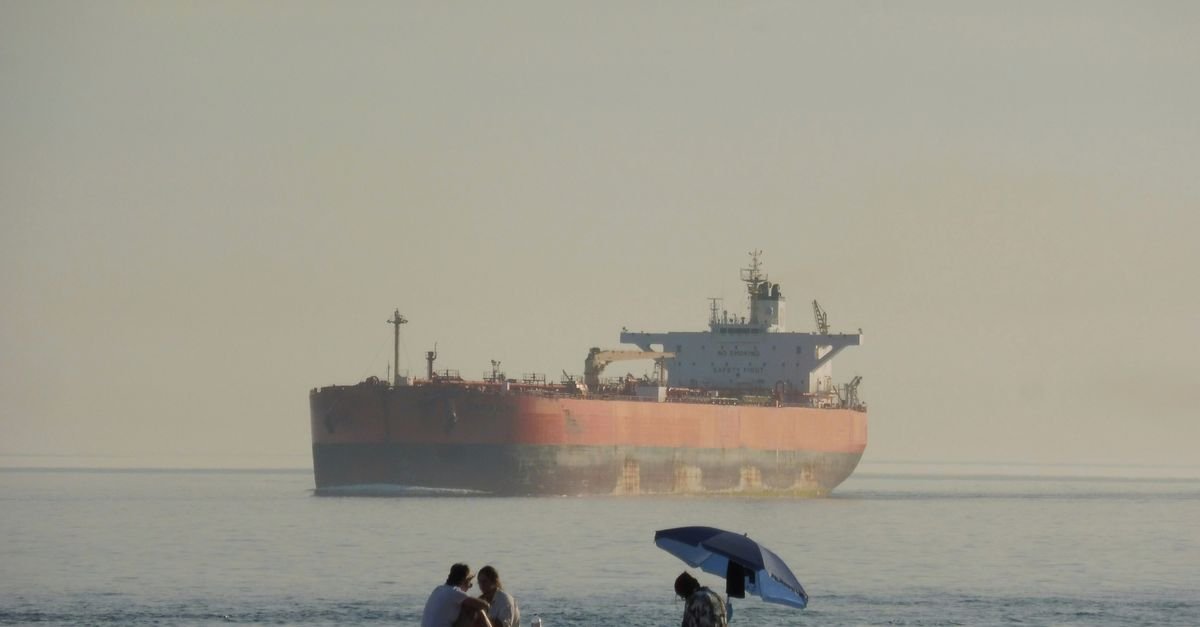
Coastal regions present a paradox for energy infrastructure: they host over 60% of the world's energy systems while facing accelerating climate hazards. New research synthesizing multiple studies and policy dialogues highlights this concentration risk and its unequal impacts across populations.
The analysis found that natural gas and nuclear capacity are heavily concentrated near coasts—58% and 54% respectively within 100 km—creating cascading vulnerabilities. Storm surge, extreme precipitation, and rising sea levels threaten substations, transmission corridors, cooling systems, and fuel supply chains. When outages occur, recovery times extend far beyond days, particularly in lower-income communities that lack redundant grid connections or backup resources.
This vulnerability is not distributed equally. Disadvantaged groups often live in areas with older, less resilient infrastructure and fewer investment resources for hardening or diversification. Extended power loss compounds existing inequities: hospitals and cooling centers become inaccessible, small businesses close, and residents face health and safety risks. The research emphasizes that technical resilience measures alone—seawalls, relocation, upgraded equipment—are insufficient without addressing underlying social and economic disparities.
The authors propose embedding climate justice principles into energy justice frameworks. This integration means centering equity in infrastructure decisions, ensuring vulnerable communities have voice in planning, and allocating resources fairly to strengthen grid resilience where it matters most. Practically, this includes transitioning coastal coal and nuclear plants responsibly, diversifying generation away from concentrated coastal nodes, and investing in microgrid and renewable capacity in underserved areas.
Key research and policy priorities include mapping climate exposure by infrastructure type and social vulnerability, quantifying equity impacts of resilience investments, and developing regional adaptation pathways. The paper underscores that coastal energy resilience is fundamentally a justice issue—one requiring interdisciplinary collaboration among engineers, economists, climate scientists, and affected communities to ensure that climate solutions do not entrench existing inequalities.