As artificial intelligence deployment accelerates globally, data centers are consuming unprecedented amounts of electrical power in increasingly concentrated geographic locations. A new research paper evaluates how this shift in load composition affects grid resilience when the system experiences disruptive events such as transmission line failures or generator outages.
Using a validated optimal power flow model, researchers examined an IEEE 30-bus test system where a conventional distributed load was replaced with an aggregated data center load of equivalent total energy consumption. They then simulated multiple failure scenarios under different conditions: generator derating (reduced output capacity), transmission line derating, and combined derating of both assets.
The findings are significant. When high-growth data center capacity was introduced under coupled derating scenarios, total unserved energy—the portion of demand that cannot be met during contingencies—jumped from 3.2 MWh to 22.9 MWh. Even more concerning, when the researchers modeled temporally concentrated demand patterns typical of data center operations, unserved energy increased an additional 34.4%. This suggests that the timing of data center loads can amplify grid stress beyond the simple effect of higher total demand.
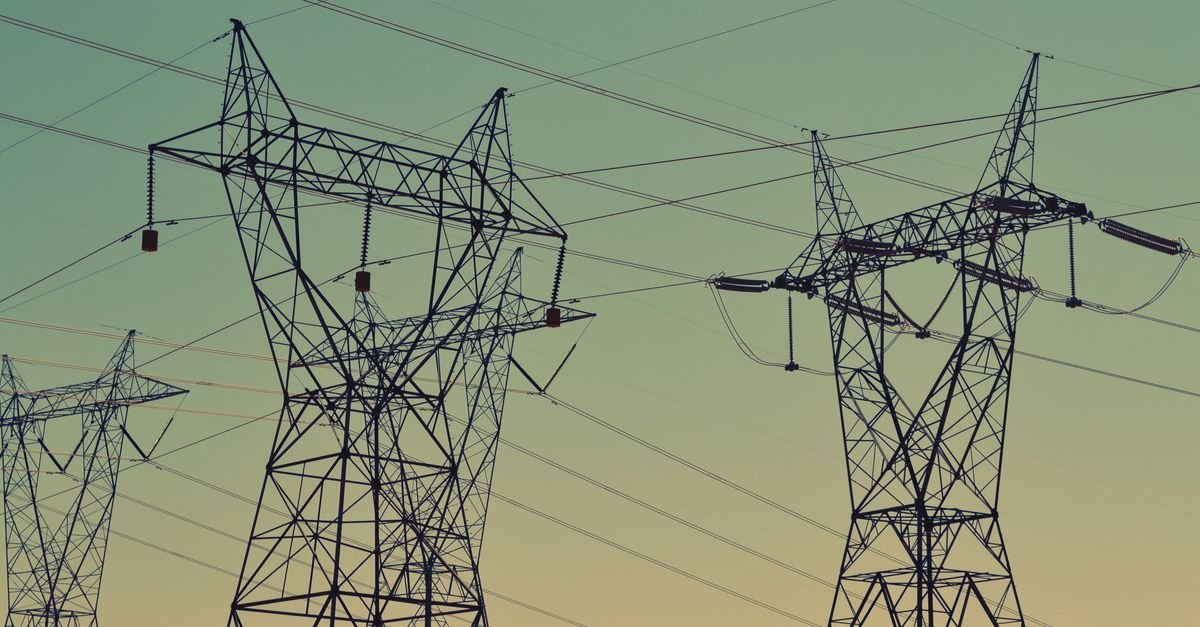
The core issue is transmission capacity. Unlike distributed loads that draw power across multiple network paths, concentrated data center loads depend heavily on localized transmission corridors. When these pathways are constrained or degraded, the system loses the flexibility to route power around problems, creating dangerous bottlenecks.
These results carry immediate implications for grid planning. Utility operators in regions experiencing data center investment must invest proactively in transmission expansion and upgrading. Additionally, developing demand flexibility mechanisms—such as incentives for data centers to shift non-critical workloads during stressed conditions—could help manage peak concentrations. Without deliberate infrastructure planning and operational coordination, rapid data center growth risks eroding the reliability margins that power systems depend upon.