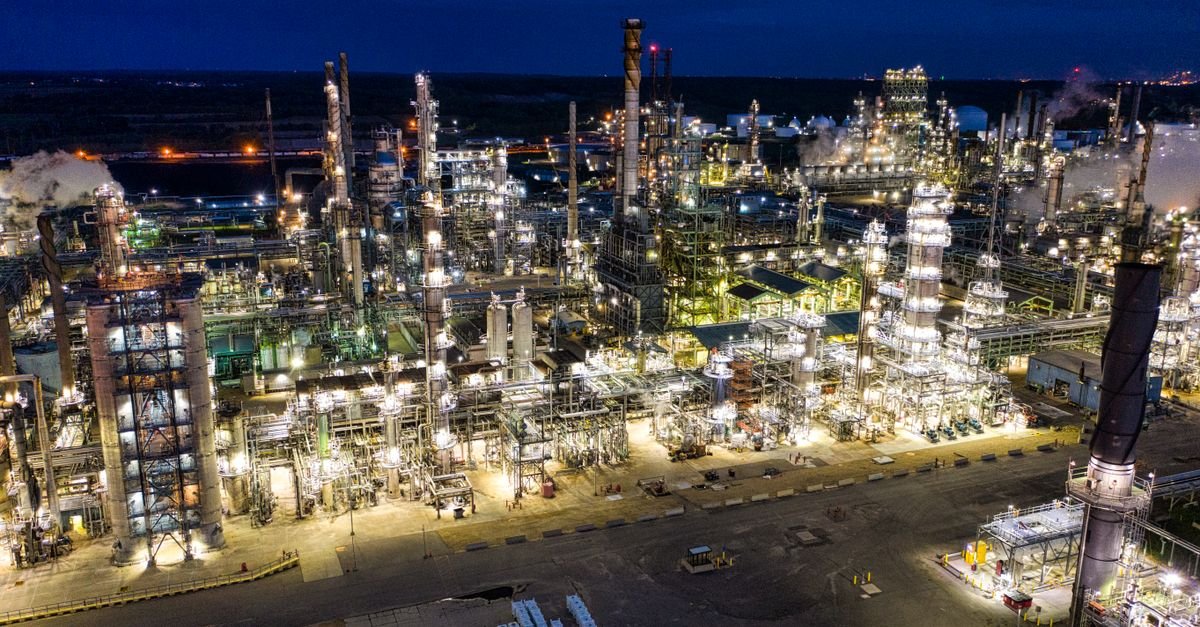
Industrial facilities routinely reject significant quantities of moderate-temperature waste heat that could be captured and reused to improve overall energy efficiency. A research team has investigated how geometric configuration and operating parameters affect the performance of latent heat storage systems designed for this application.
The study examined a double pipe storage unit where industrial thermal oil circulates through a central tube while a phase change material fills the surrounding annular space. The researchers built an experimental apparatus and collected thermal data, then validated a computational fluid dynamics model using ANSYS Fluent software.
A key finding emerged regarding the position of the inner tube relative to the outer pipe. When shifted downward within the outer tube, the eccentric configuration enhanced heat transfer performance compared to upward positioning. At a fluid flow rate of 17 grams per second, shifting the inner tube downward by 26 percent of the pipe radius reduced the time required to fully melt the storage material by approximately 31 percent. Shifting it further to 40 percent of the pipe radius reduced melting time by 25 percent, indicating an optimal position exists.
Increasing the mass flow rate of the heat transfer fluid consistently improved performance across all geometric configurations tested. Higher fluid velocities enhanced convective heat transfer to the phase change material, accelerating the charging cycle of the storage unit.
The analysis determined that the optimal design combines a downward eccentricity of 0.26 pipe radii with elevated heat transfer fluid flow rates. This configuration balances the geometric benefits of enhanced thermal contact with practical operational parameters.
These findings have practical implications for industrial facilities seeking to implement waste heat recovery systems. The parametric approach enables engineers to select appropriate storage designs based on specific temperature ranges, available space, and operating conditions at their facilities.