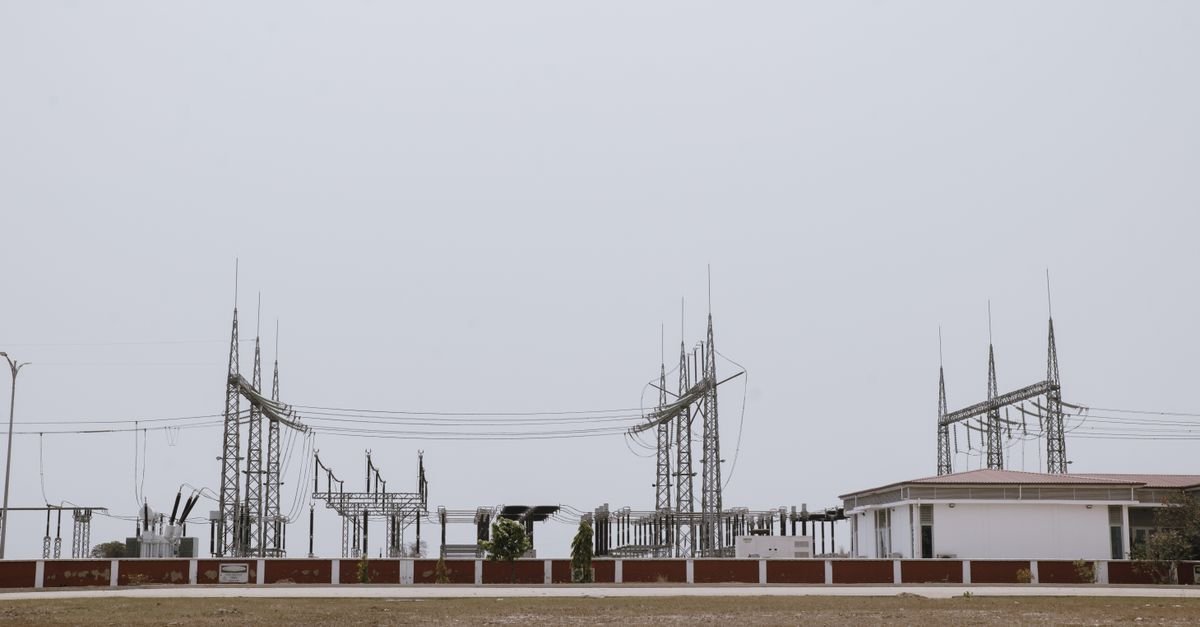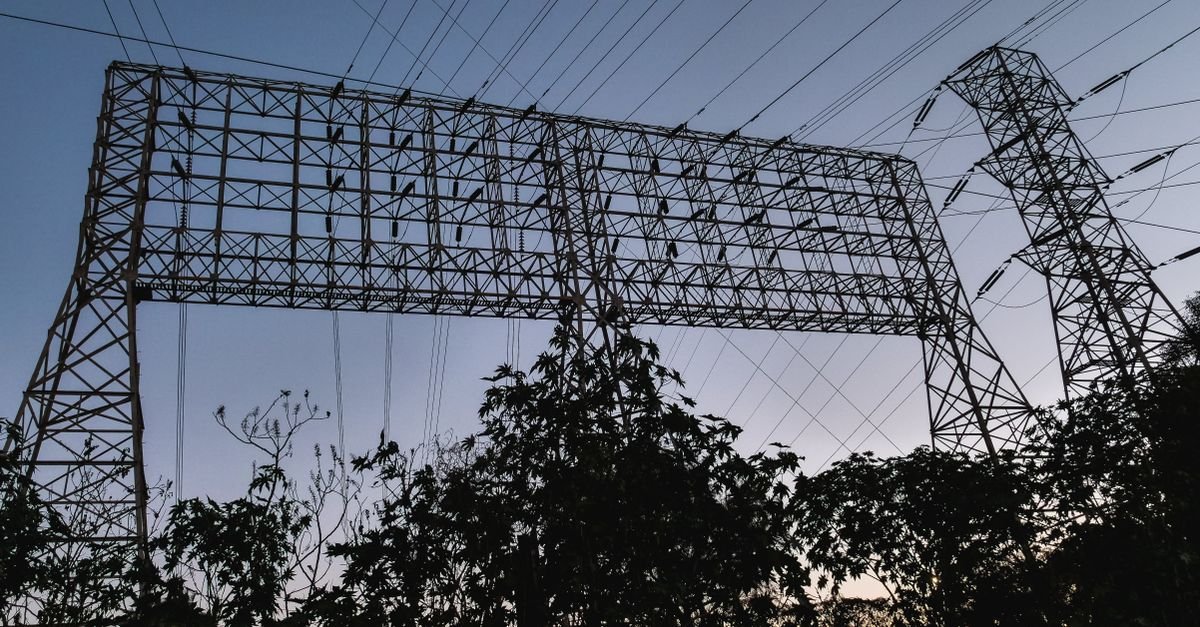
Ecuador's electric utility CENTROSUR conducted a comprehensive study to determine how much distributed renewable and thermal generation can safely integrate into its 69 kV subtransmission network. With Ecuador's system heavily dependent on hydropower, recent droughts triggered rolling blackouts and created urgency to develop generation resources closer to load centers. Before permitting new connections, regulators needed data on true network capacity and whether different generation technologies imposed different limits.
Researchers simulated six configurations—pure renewable, pure thermal, and four mixed scenarios—across eight candidate connection points using industry-standard DIgSILENT PowerFactory software. The analysis incorporated actual hourly wind and solar profiles, then evaluated five representative operating points: peak demand, minimum demand, and three intermediate conditions reflecting real resource availability throughout the year. Each scenario underwent power flow analysis, N-1 contingency testing (loss of single equipment), short-circuit calculations, and transient stability assessment.
Results challenged conventional thinking. Individual substations could theoretically accept 620 MW at peak and 380 MW at minimum demand if evaluated independently. However, the coordinated system limit dropped dramatically to 160 MW and 60 MW respectively—only 26% and 16% of theoretical capacity. The constraint originated not from local bus strength but from a bottleneck in the shared export corridor connecting the subtransmission network to the main transmission system. Critically, the controlling operating point occurred during intermediate demand with high local generation, not during peak or minimum conditions as might be expected.
These findings have international relevance. Many regions operate radial or meshed subtransmission networks fed from limited transmission connection points—a topology common in developing economies and rural areas. The study's systematic methodology offers other utilities a reproducible framework for accurately assessing distributed generation hosting capacity, enabling faster permitting while maintaining grid security.