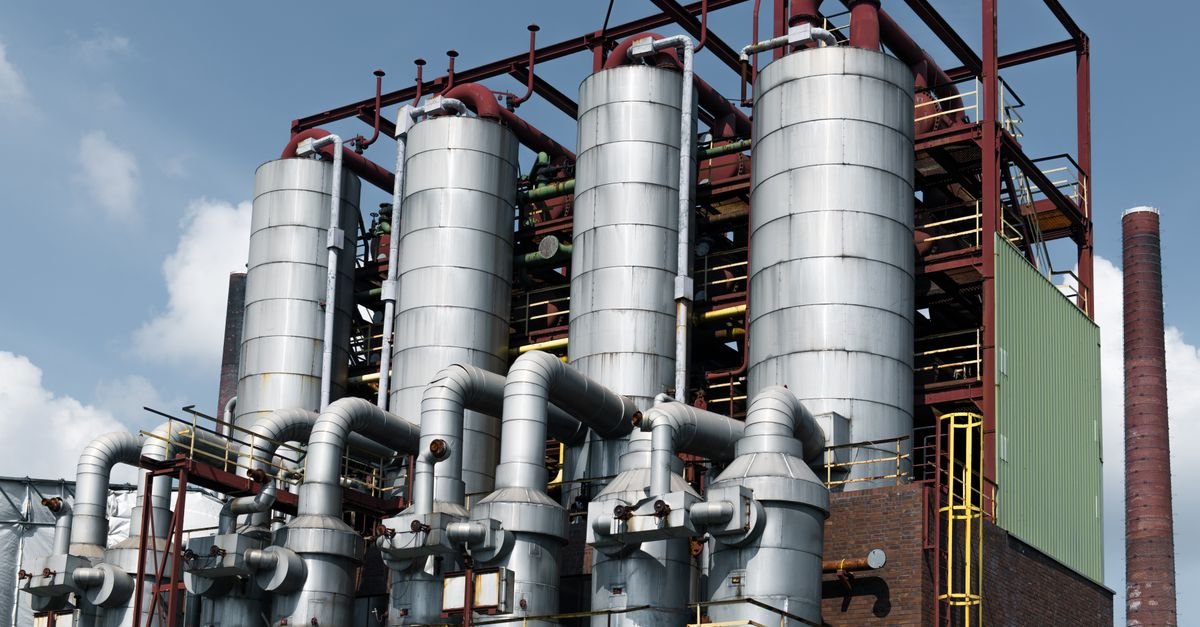
Exhaust Gas Boiler (EGB) systems are widely deployed to capture waste heat from reciprocating engine power plants and operate them in combined-cycle mode, thereby improving overall thermal efficiency and lowering fuel consumption per megawatt-hour of electricity generated. However, field operators and regulators often observe a substantial apparent reduction in CO₂ concentration in exhaust gases exiting the EGB—as much as 31.6% in the study presented—leading to confusion about whether the system removes CO₂ directly from the flue gas stream or simply reduces emissions through efficiency gains.
Researchers analyzed operational data from multiple natural gas reciprocating-engine units with EGB retrofits, comparing baseline simple-cycle performance against combined-cycle operation with the boiler engaged. The key finding is that genuine CO₂ mitigation—quantified as specific emission intensity in kg CO₂ per megawatt-hour—reaches only 24.4%, reflecting real fuel savings. The larger 31.6% concentration drop is explained entirely by measurement artifacts: dilution from air ingress into the exhaust system (evidenced by a 37.1% increase in oxygen content) and the wet-to-dry basis conversion that occurs when condensation removes moisture from the exhaust gas stream.
These artifacts can trap unwary practitioners into overestimating environmental benefits or claiming capture capabilities that do not exist. The study employed rigorous statistical methods—time-series decomposition (SARIMAX modeling with R² of 0.87), dynamic time warping clustering for multi-unit validation, and oxygen-balance checks—to isolate real mitigation signals from noise. An uncertainty margin of ±3.5% accounts for fuel variability and sensor drift.
The implications are significant for emissions reporting and regulatory compliance. Accurate quantification of CO₂ reductions from EGB retrofits requires focus on fuel consumption data and mass-based accounting rather than reliance on volumetric concentration measurements. Operators and consultants must implement robust quality assurance on sampling probes, baseline calibration, and data filtering to avoid overstating environmental performance and undermining credibility in climate reporting.