The U.S. Energy Information Administration has released optimistic generation forecasts, expecting electricity output to climb to 4,368 billion kilowatthours (BkWh) in 2026—representing a 2.2% increase from current levels. The agency projects continued momentum into 2027 with an additional 1.7% growth, marking consecutive years of record national electricity generation.
This sustained expansion reflects multiple structural drivers reshaping American energy demand. Data center proliferation, particularly accelerated by artificial intelligence infrastructure investments, continues consuming record volumes of electricity. Simultaneously, the nationwide electrification push—including electric vehicle adoption, heat pump installation in buildings, and industrial process improvements—shifts historically gas-dependent loads toward the grid. Geographic population growth and economic expansion in energy-intensive regions further amplify generation requirements.
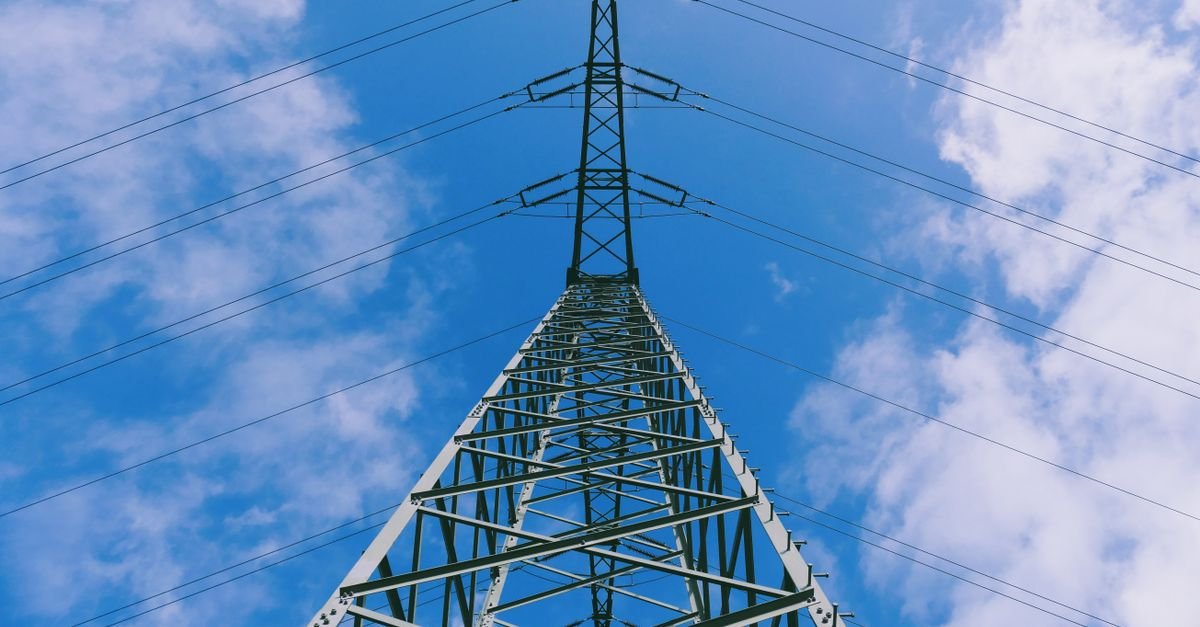
The growth trajectory poses significant implications for grid operators and utility planners. Maintaining reliability during this expansion demands substantial investment in generation capacity, transmission infrastructure, and distribution modernization. Natural gas generation is expected to remain the primary resource meeting marginal demand increases, though renewable energy—particularly solar and wind—continues capturing a growing share of new capacity additions.
The forecast also highlights emerging challenges around resource adequacy and peak demand management. Operators must balance traditional dispatchable generation with increasing variable renewable penetration while ensuring system stability. Battery storage deployment and demand response programs will play increasingly critical roles in managing the grid's flexibility requirements.
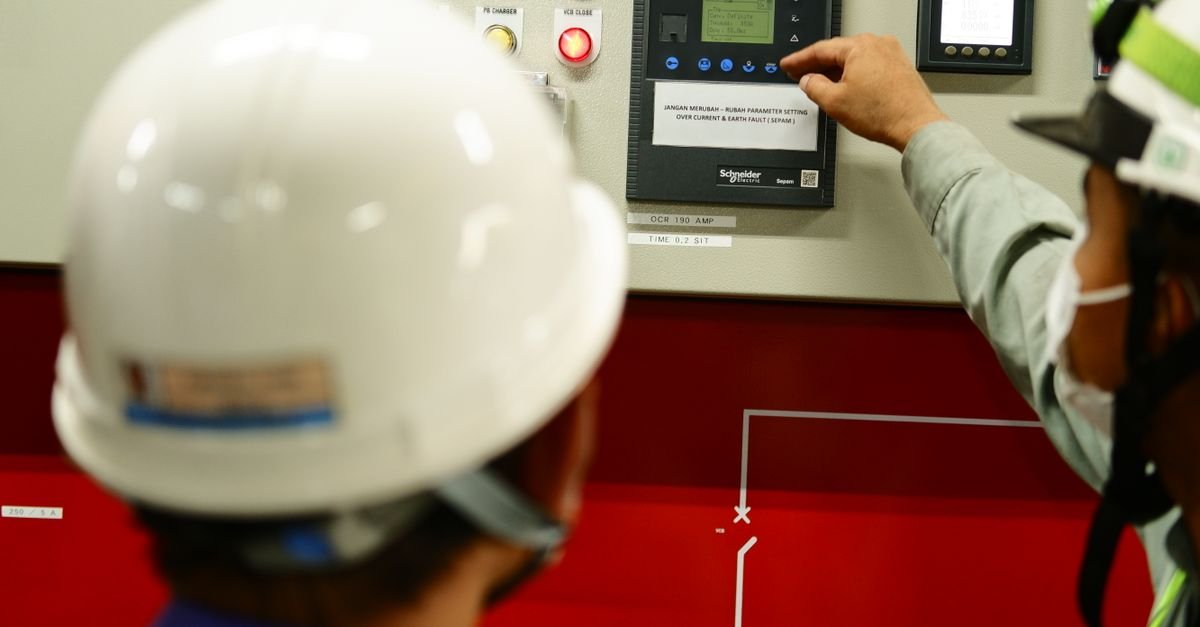
For utilities and grid operators, these projections necessitate accelerated planning cycles, capital investment prioritization, and workforce development initiatives. Transmission bottlenecks in high-demand regions require immediate attention to prevent congestion-related reliability events. The sustained generation growth underscores why infrastructure modernization investments remain essential to accommodating America's electrifying economy while maintaining system resilience and affordability.