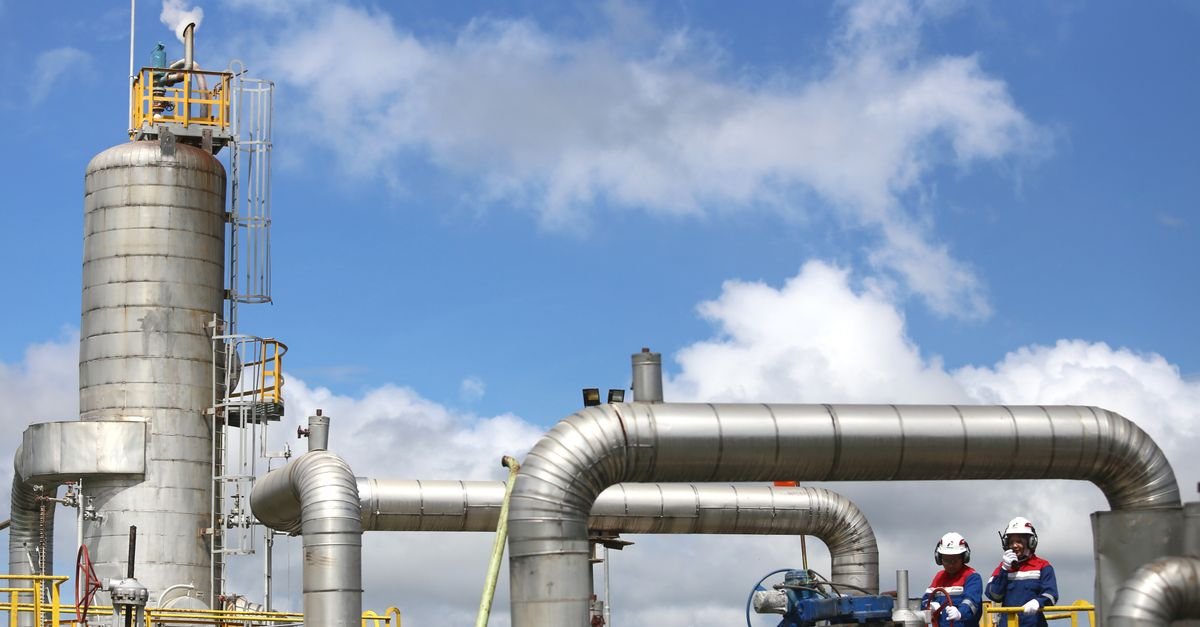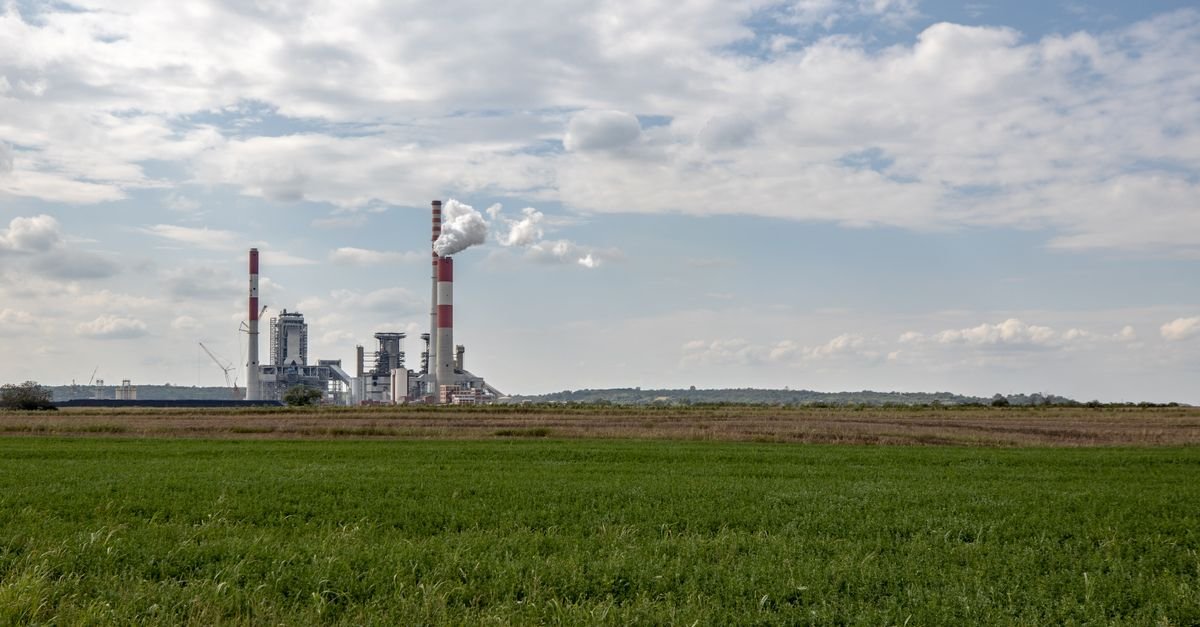
The U.S. Energy Information Administration released its July Short-Term Energy Outlook with an optimistic reassessment of global crude oil production capacity. The upward revision reflects normalization of shipping conditions through the Strait of Hormuz, one of the world's most critical petroleum chokepoints, through which approximately 20% of global seaborne oil transits daily.
The EIA's increased production forecast underscores how geopolitical factors directly influence energy commodity markets and, by extension, power system economics. Reduced uncertainty surrounding Middle Eastern supplies typically translates to lower risk premiums embedded in crude prices, potentially benefiting thermal power generators and utilities with oil-fired generation capacity.
For the power sector, stabilized oil forecasts inform long-term planning for generation portfolios, particularly in regions with significant petroleum-based electricity production. Nations including the UAE, Saudi Arabia, and Kuwait rely substantially on crude-fired generation to supplement natural gas output during peak demand periods. Lower crude price forecasts reduce operational costs for these facilities and improve predictability for integrated energy planning.
The Strait of Hormuz reopening also signals reduced likelihood of acute supply disruptions that could spike energy prices and create cascading impacts across connected markets. Natural gas prices often correlate with crude benchmarks through linkages in LNG and feedstock costs, making oil market stability relevant to power planners managing multi-fuel generation portfolios.
However, the forecast remains subject to rapid revision. Geopolitical tensions, production disputes among OPEC members, and demand shocks from economic slowdowns continue to pose risks. Power utilities should maintain operational flexibility and diversified fuel sourcing strategies rather than relying solely on commodity forecasts. The EIA's revised outlook provides a useful baseline, but prudent system planning requires contingency scenarios accounting for potential market volatility.