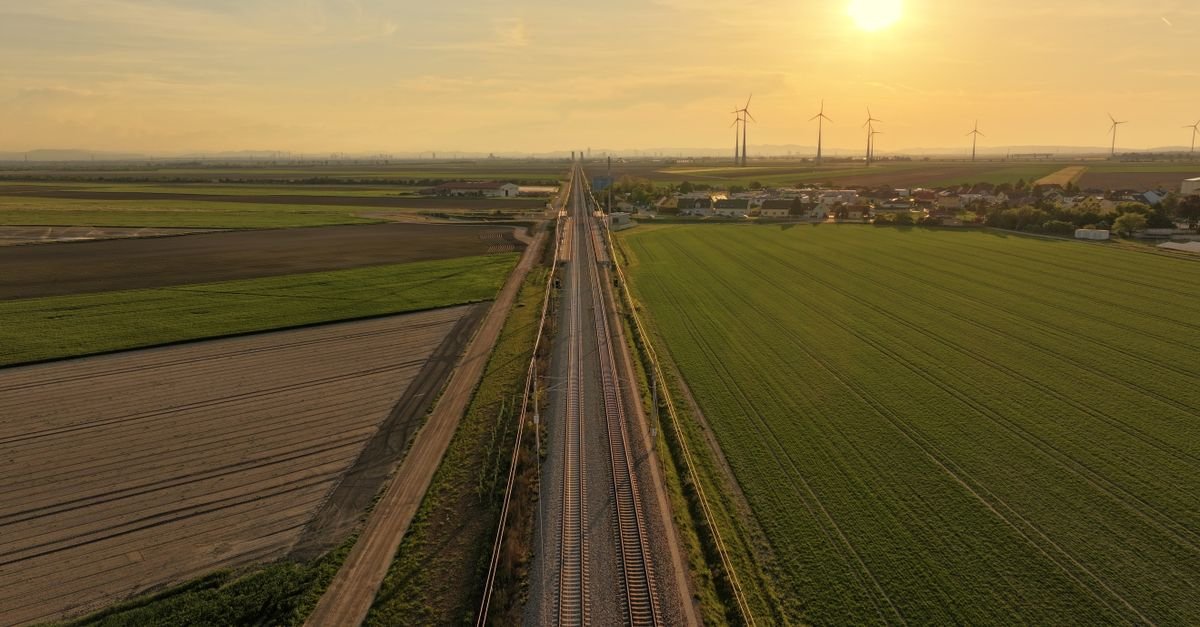
A new study examining on-farm renewable energy adoption across four European nations provides valuable insights into farmer decision-making and the structural barriers limiting distributed energy generation in agriculture. Researchers surveyed farmers in Belgium, Denmark, Iceland, and Poland to understand current energy practices, investment intentions, and support needs.
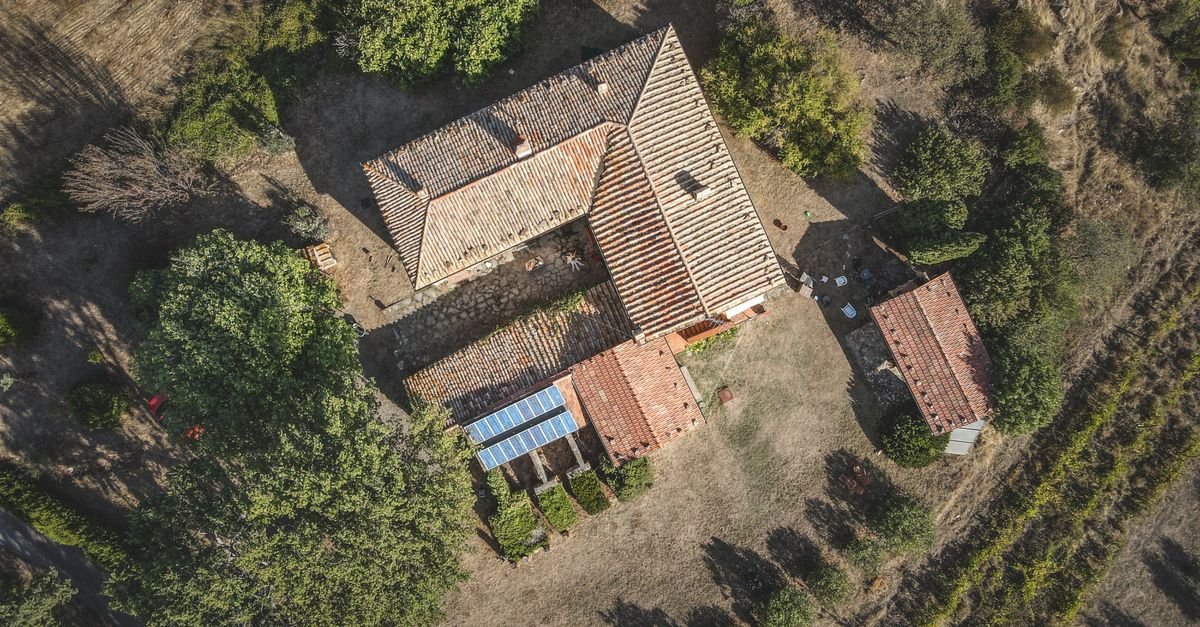
The findings reveal a mixed picture. While a majority of respondents—54%—have implemented some form of energy generation, adoption remains concentrated in simple, proven technologies. Solar panels on farm buildings dominate the landscape, whereas more complex systems offering greater energy output and revenue diversification, such as biogas digesters and biomass heating, remain underutilized.
Statistical analysis identified two critical success factors for investment decisions: the presence of a designated farm successor and reasonable establishment costs. Farmers consistently prioritized technologies with low barriers to entry and demonstrated financial returns. This preference reflects the economic pressures and uncertainty faced by modern agricultural enterprises.
Two major obstacles emerged from the research. First, high upfront capital requirements deter investment, particularly among smaller operations with limited access to credit. Second, concerns about long-term land-use implications—especially regarding feedstock sustainability and soil health—raise philosophical and practical concerns among environmentally conscious operators.
In response to these challenges, farmers overwhelmingly indicated demand for financial support mechanisms, including grants and favorable loan terms. Training preferences leaned toward in-person workshops rather than digital or self-directed learning, suggesting that technical guidance delivered by trusted advisors enhances confidence in adoption decisions.
The research suggests a fundamental policy reorientation. Rather than treating on-farm energy adoption as a discrete event to be encouraged through subsidies, authorities should view it as an evolving portfolio strategy. Continuous expansion and technology diversification should become explicit policy goals, supported by reduced investment barriers, improved advisory services, and metrics that reward increasing energy generation density across agricultural regions. This approach acknowledges the realities of farm economics while positioning agriculture as a meaningful contributor to distributed renewable energy infrastructure.