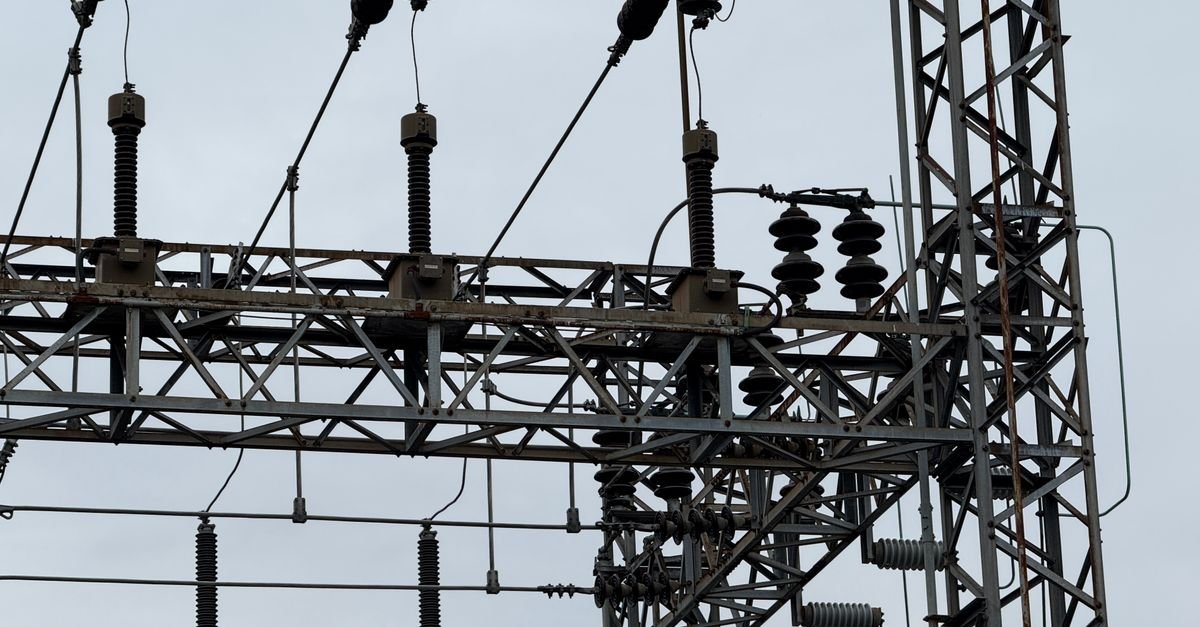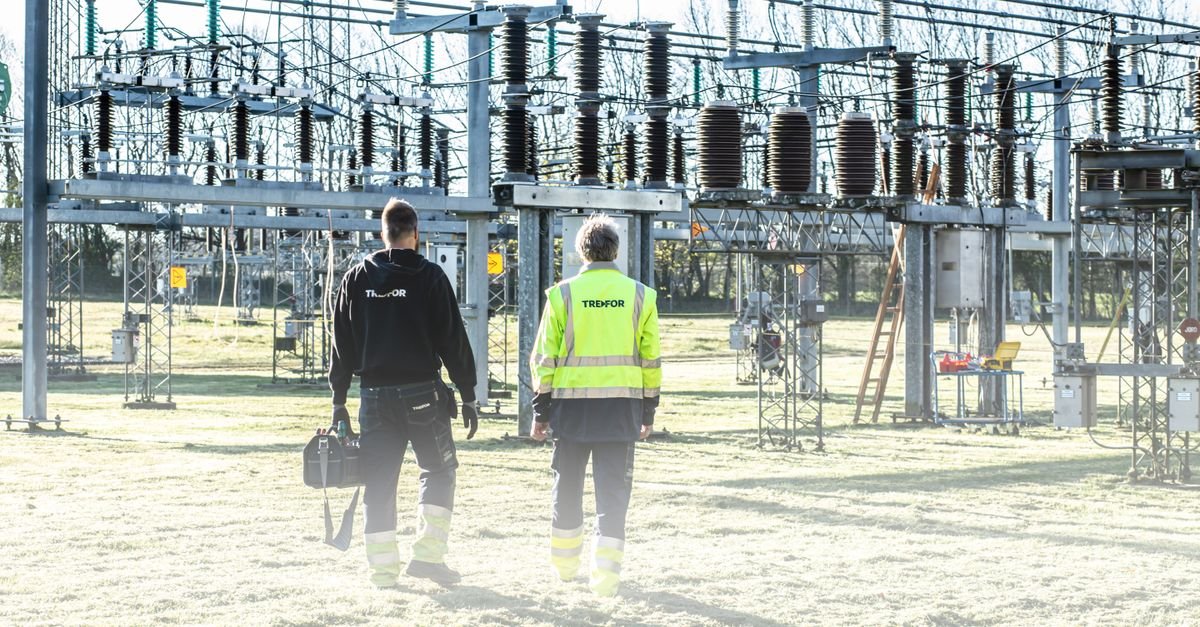
Electricity substations worldwide face mounting environmental pressures from climate change, corrosion, and aging assets, yet systematic risk assessment at individual substation level remains underdeveloped. A new open-source framework addresses this gap by integrating climate projections with corrosion modeling and degradation analytics to forecast critical failure risk across the power infrastructure network.
The methodology combines three core components: climate physical risk metrics capturing heat extremes, precipitation intensity, ice-storm frequency, and seismic hazard; atmospheric corrosion acceleration factors derived from salt aerosol proximity and industrial SO₂ exposure; and a Bayesian Markov model anchored to industry standards for transformer and equipment degradation. Applied to 159,720 substations across 23 OECD nations plus Greenland, the framework generates location-specific expected time to critical condition (ETTC) estimates under two climate scenarios—a moderate pathway and a high-emission stress test.
Validation against 1,220 documented substation failures between 2018 and 2023 demonstrates strong predictive power, with corrosion identified as the leading risk acceleration mechanism regardless of climate scenario. Monte Carlo simulation across 10,000 iterations per asset produces both point estimates and confidence intervals, enabling quantified uncertainty characterization.
The framework's open design leverages publicly available climate data, corrosion classification standards, and utility inspection records where disclosed. Results are stratified by country and region, supporting asset managers in prioritizing maintenance budgets and replacement schedules. However, developers acknowledge current flood hazard modeling resolution as a limitation, recommending future refinement through integration of global flood risk maps.
Released under Creative Commons licensing, the framework represents a significant step toward systematic, data-driven substation risk management at continental scale. As climate impacts accelerate, such quantitative approaches enable utilities to transition from reactive to proactive infrastructure stewardship.