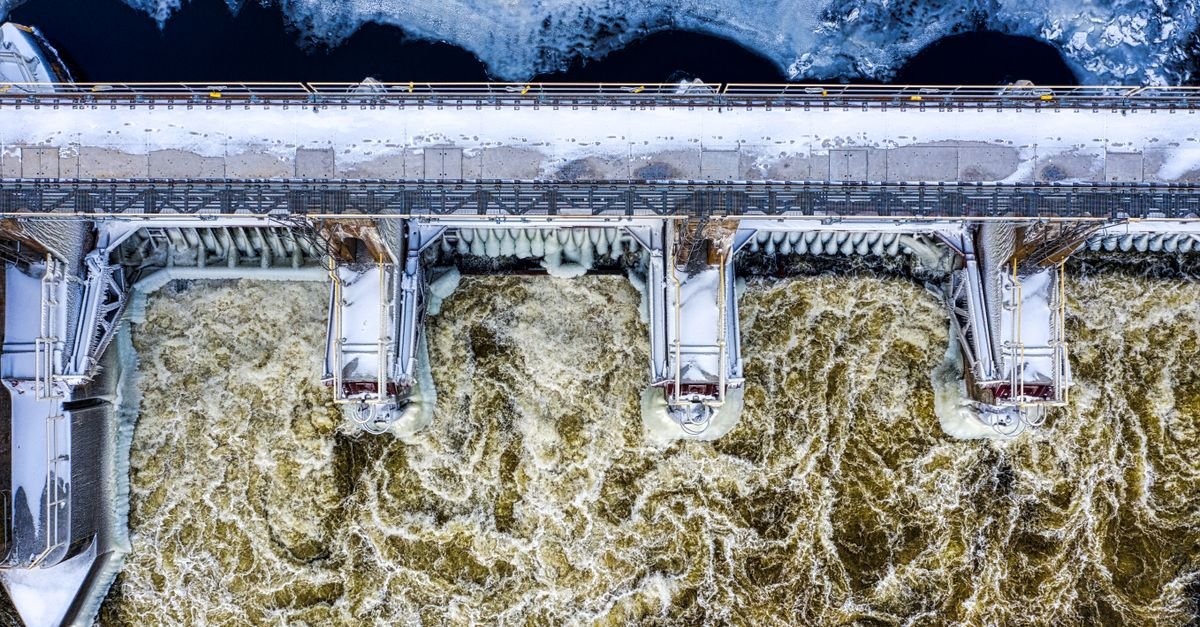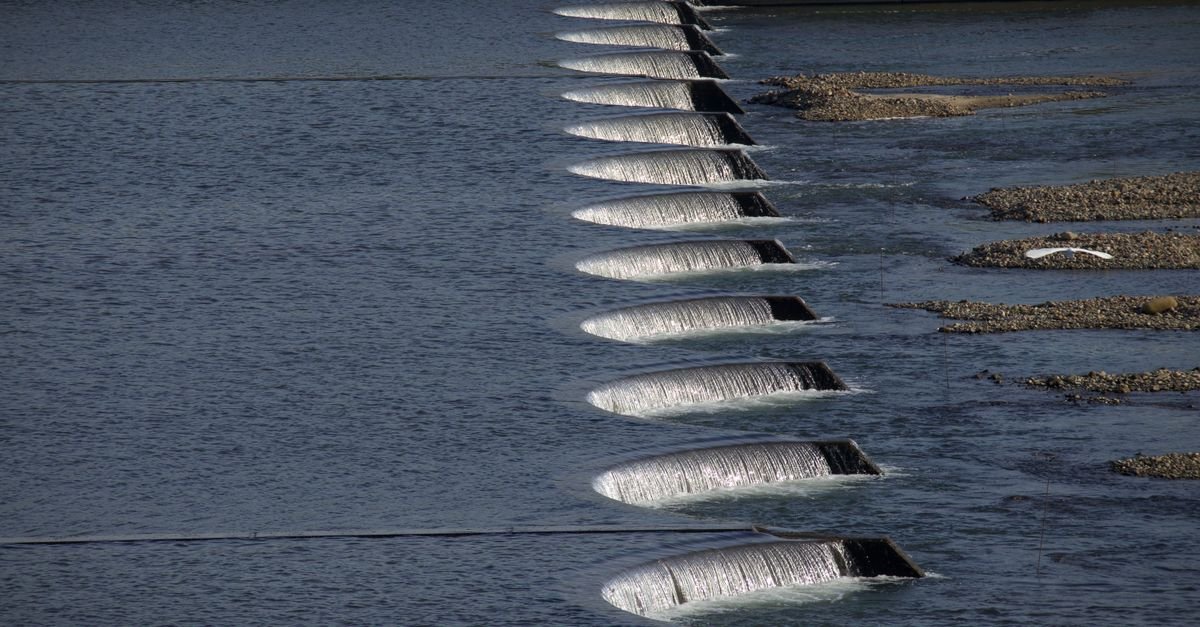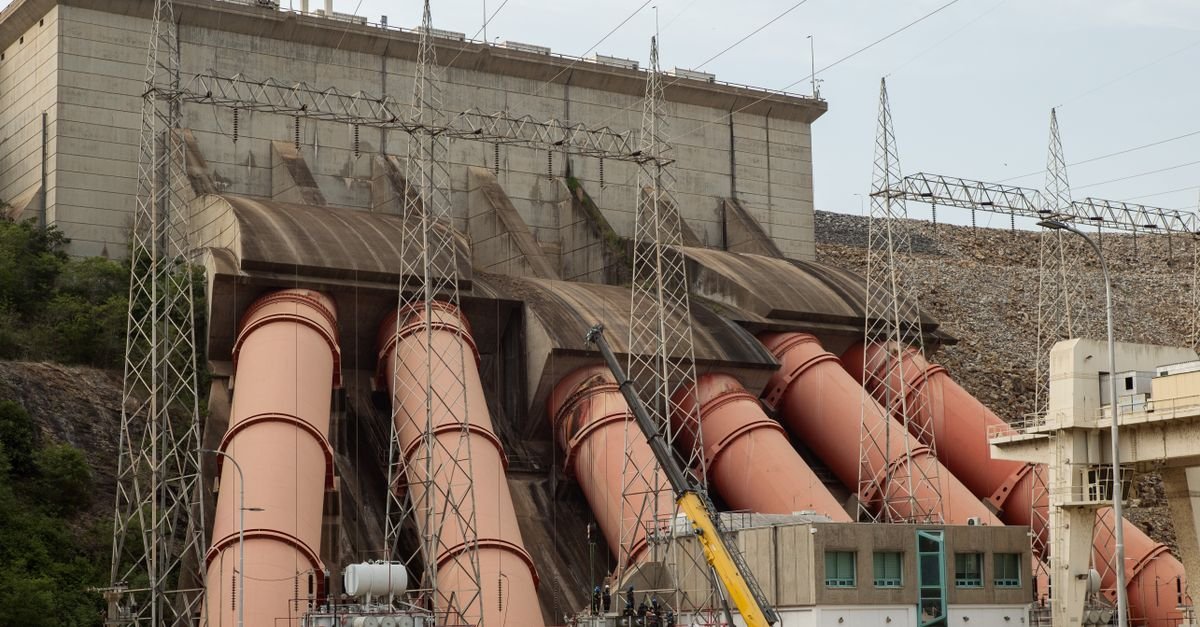
Gravitational water vortex power plants represent an emerging renewable technology that combines economic efficiency with engineering simplicity, making them attractive for small-scale hydroelectric applications. Unlike conventional turbines, these systems harness the rotational energy created when water spirals downward through a basin, requiring minimal civil works and operating costs. However, performance limitations in critical components—particularly the runner—have restricted their widespread adoption.
A new study addresses this constraint through an integrated optimization framework combining genetic algorithms, computational fluid dynamics simulations, and controlled laboratory experiments. Researchers systematically analyzed three key performance metrics: output power, torque delivery, and overall efficiency across rotational speeds ranging from 1.91 to 3.26 radians per second.
Results revealed consistent performance patterns across all three analytical approaches. Power output and efficiency improved progressively with rotational speed, reaching optimal performance around 2.6 to 2.7 rad/s before declining at higher speeds. Genetic algorithm predictions aligned closely with CFD simulation outcomes, demonstrating the algorithm's capacity to accurately model system behavior and identify optimal design configurations.
Experimental validation confirmed these trends, though measured efficiency values were moderately lower than numerical predictions at elevated rotational speeds. This discrepancy reflects real-world factors including mechanical friction losses, flow instabilities, and measurement uncertainties that computational models cannot fully capture.
Sensitivity analysis highlighted three critical design variables: rotational speed, hub-blade angle, and blade count. Each significantly influences system performance and represents a tuning opportunity for designers.
The research validates genetic algorithms as a practical, reliable tool for vortex turbine optimization. By automating the design process and reducing reliance on empirical trial-and-error methods, this approach accelerates development cycles and enables cost-effective performance improvements. For regions with limited head availability and minimal infrastructure, gravitational water vortex systems now represent a more technically mature option for distributed renewable energy generation.