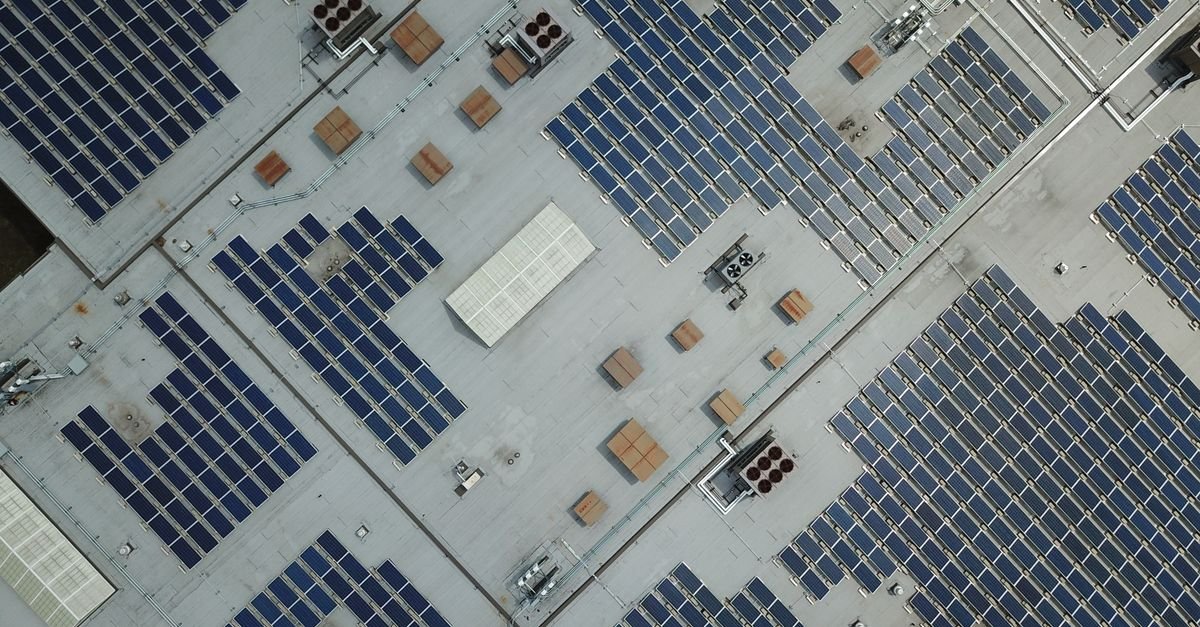
Germany Overhauls Renewable Subsidies Amid Solar Grid Strain
⚡ AI Executive Summary
Germany's Economy Ministry has unveiled plans to substantially restructure its renewable energy support framework beginning in 2027, moving away from guaranteed fixed feed-in tariffs toward performance-based mechanisms that penalize grid-congesting projects. The shift reflects mounting pressure on transmission infrastructure as solar and wind capacity expansion has outpaced grid modernization, leading to costly curtailment episodes and negative power prices. The reform signals a critical tension facing Europe's energy transition: the grid cannot absorb renewables at current injection rates without major infrastructure investment. By conditioning subsidies on grid-friendly behavior and storage pairing, Germany is attempting to align market incentives with system needs—a model increasingly adopted across Europe. However, tightening support mechanisms risks deterring new investment precisely when the country needs to reach 80% renewable penetration by 2030. The success of this approach depends on concurrent acceleration of transmission expansion and demand-side flexibility; without it, developers may find economics unworkable and deployment targets slip.
This is a brief summary of reporting originally published by Energy Connects. Read the full article for the complete story:
Read the full story at Energy Connects ↗