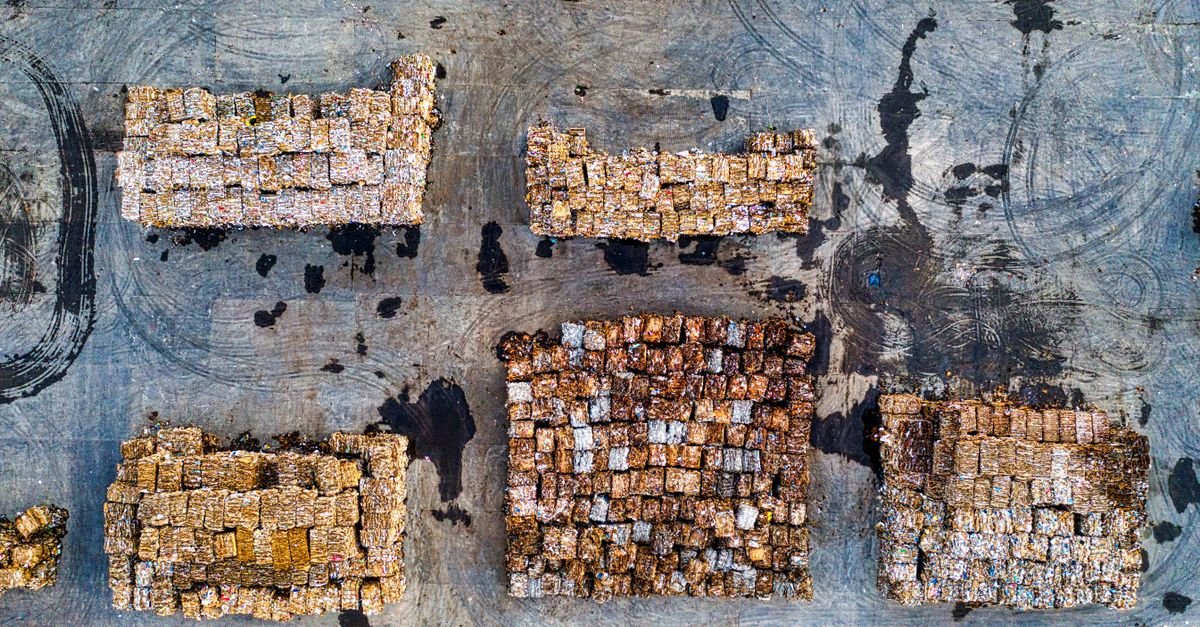
Ghana's green waste holds untapped biogas potential amid systemic barriers
⚡ AI Executive Summary
Ghana faces a significant energy shortage while simultaneously grappling with mounting municipal solid waste in urban areas. Anaerobic digestion of market waste could convert a renewable resource into biogas, yet technical assessments show the country possesses suitable feedstock characteristics for biochemical conversion despite inconsistent waste segregation practices. Policy frameworks exist but lack enforcement, investment incentives, and public engagement to make waste-to-energy viable at scale. For grid planners and utilities, distributed biogas generation from urban waste streams represents a complementary renewable that stabilizes baseload supply alongside intermittent solar and wind—particularly valuable in sub-Saharan Africa where energy access remains constrained. Success hinges not on technology maturity but on solving institutional coordination, local workforce training, and feedstock reliability. The circular-economy approach also addresses sanitation and reduces pressure on biomass harvesting, indirectly supporting grid resilience by freeing charcoal demand and associated land-use conflicts.
This is a brief summary of reporting originally published by Next Energy. Read the full article for the complete story:
Read the full story at Next Energy ↗Related in Hydrogen