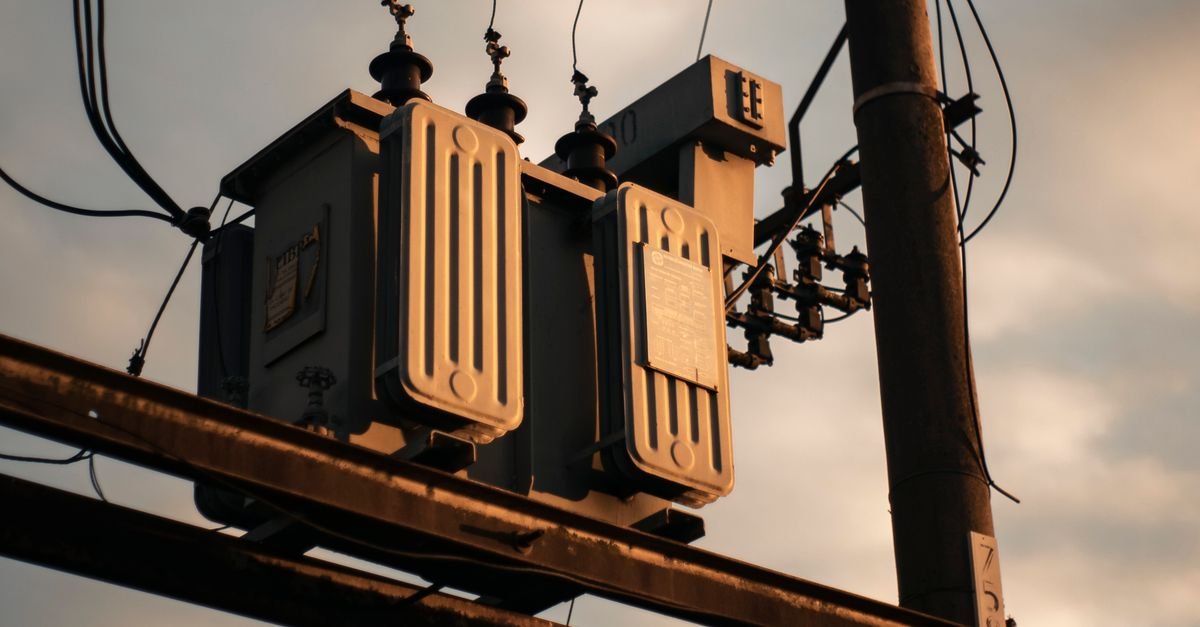
High-voltage direct current (HVDC) converter stations generate substantial waste heat during normal operation, but traditional cooling systems simply dissipate this energy rather than recovering it. The low return-water temperature from valve cooling systems makes the waste heat unsuitable for conventional recovery methods, leading to significant energy losses at transmission facilities.
Researchers have developed an integrated solution using heat pump technology to upgrade converter-valve waste heat to useful temperature levels. The system operates through a heat pump cycle that extracts thermal energy from cooling water, elevates it to higher grades, and feeds it into an absorption cooling and heating unit. This approach simultaneously maintains converter valve temperatures within safe operating ranges while capturing otherwise wasted energy.
Simulation studies conducted in MATLAB demonstrate substantial performance gains compared to conventional systems. The combined cooling and heating approach improves annual comprehensive energy efficiency by more than 40%, a significant margin for industrial applications. Winter operations recover between 15 and 20 megawatts of waste heat with heating coefficients of performance exceeding 4.5, meaning the system produces more than 4.5 units of heat for every unit of electricity consumed. Summer performance proves equally impressive, generating 2,000 kilowatts of chilled water at 7 degrees Celsius while simultaneously reducing cooling tower water consumption by 30%—a substantial benefit in water-scarce regions.
The system effectively addresses thermal management needs across converter station facilities, including valve halls and adjacent infrastructure. By converting waste heat into useful cooling and heating, the technology reduces overall station energy consumption and operating costs. For utilities operating HVDC transmission corridors, particularly in continental-scale grids where converter stations operate continuously, this innovation represents a meaningful pathway toward improved efficiency and reduced environmental impact. As energy transition accelerates, optimizing existing transmission infrastructure through waste-heat recovery becomes increasingly valuable for meeting sustainability targets while enhancing economic performance.