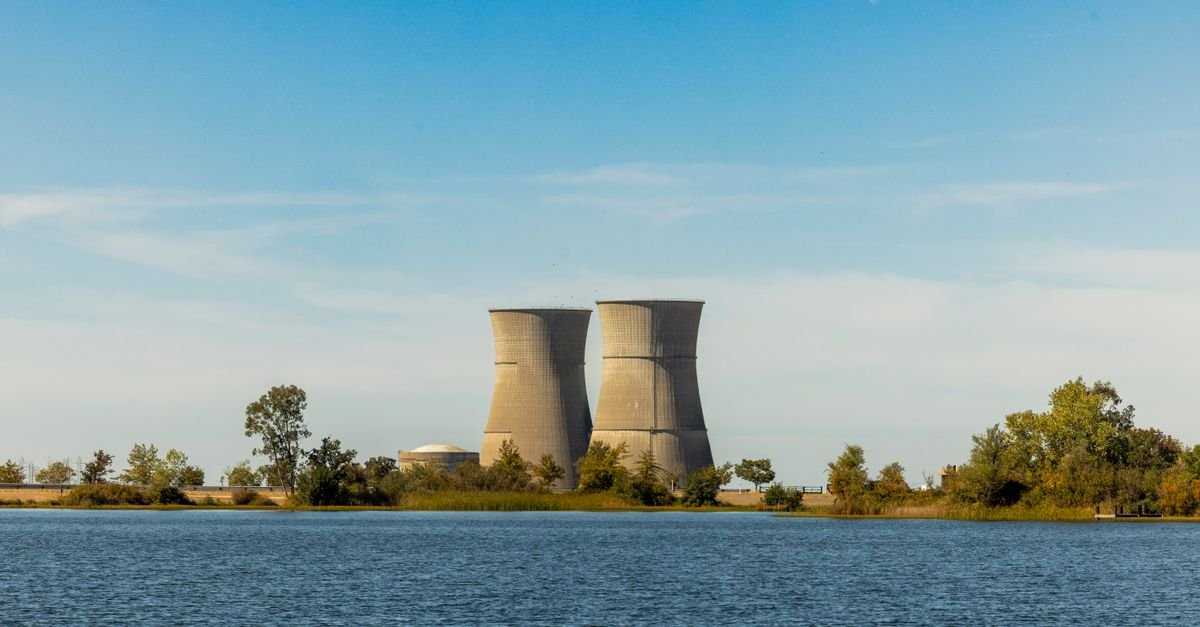
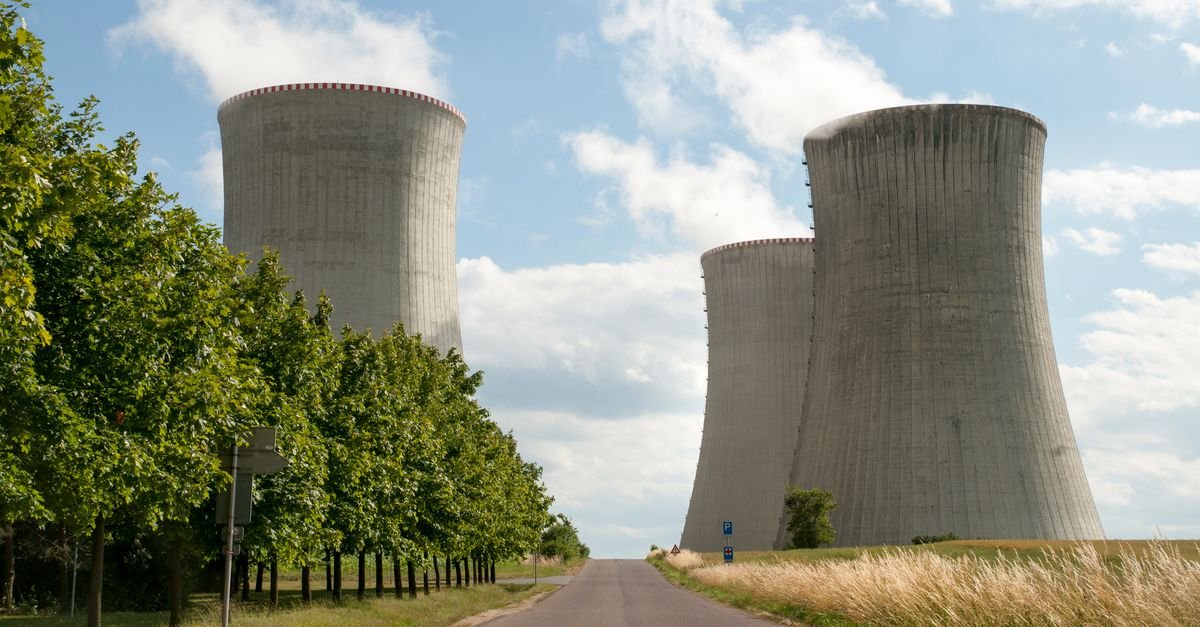
Hungary Faces Nuclear Shutdown as Danube Drought Intensifies
⚡ AI Executive Summary
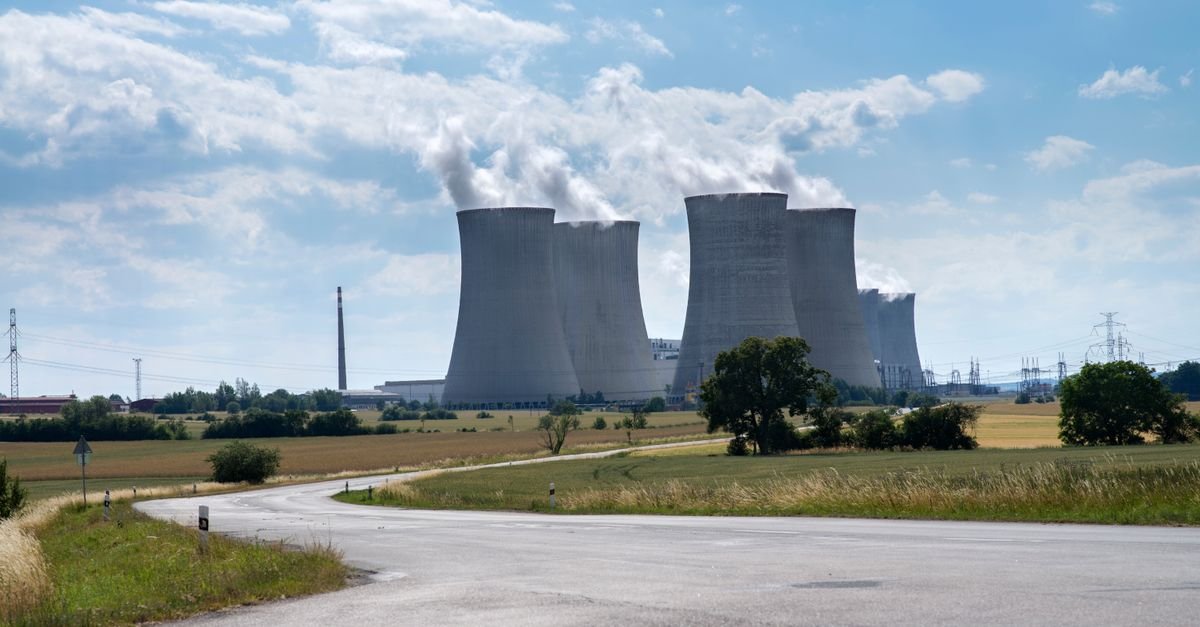
Hungary's Paks nuclear plant, the country's sole nuclear facility and a source of roughly 40% of its electricity generation, has begun emergency shutdowns due to critically low Danube River water levels. The sustained drought across central Europe has reduced cooling water availability, forcing the shutdown of reactor units and threatening complete plant closure within days. This marks the first such action in over four decades of operation. The nuclear shortfall will trigger cascading effects across Hungary's power system: mandatory industrial demand cuts, transport curtailment, and public conservation measures will stabilize the grid in the near term, but prolonged drought could expose structural vulnerabilities in a system overly dependent on a single thermal asset. The incident underscores a critical blind spot in European energy planning—nuclear and thermal plants require abundant freshwater for cooling, making them acutely exposed to climate-driven hydrological stress. As extreme heat and drought become more frequent, utilities and grid operators must reassess plant siting, cooling technologies, and renewable penetration rates to build resilience against water scarcity.
This is a brief summary of reporting originally published by Energy Connects. Read the full article for the complete story:
Read the full story at Energy Connects ↗