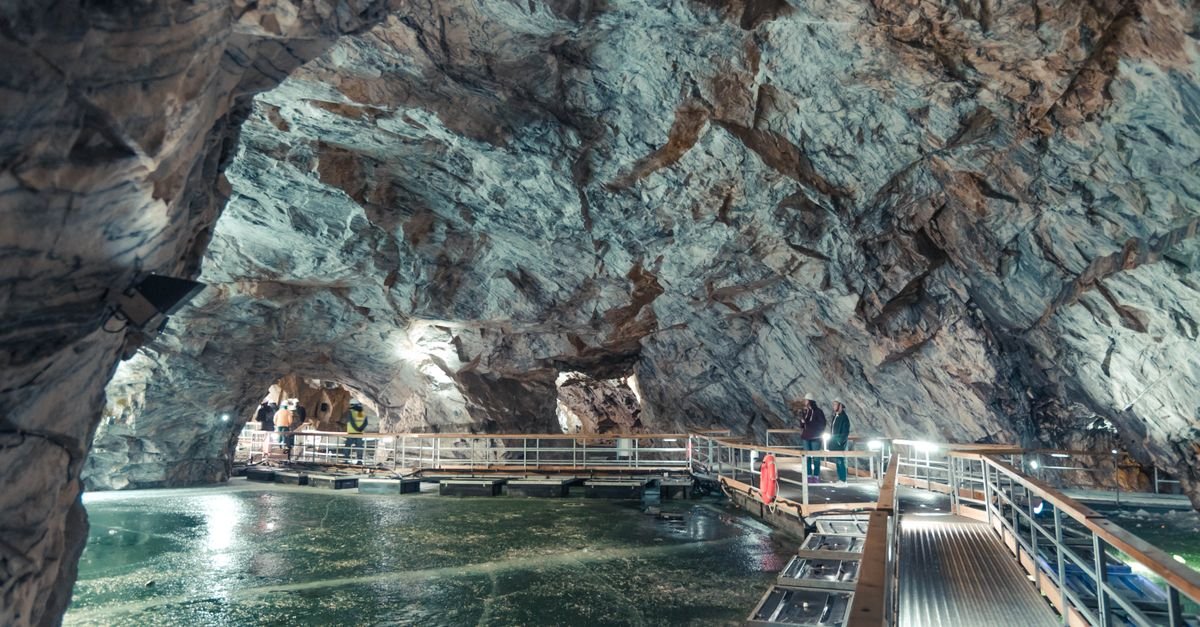
A comprehensive techno-economic study has evaluated a novel multigeneration system that combines compressed air energy storage with water desalination and steam generation. The system stores pressurized air in an underground cavern during off-peak hours, then deploys it across peak-demand periods while extracting multiple valuable outputs from a single thermal process.
The integrated configuration couples a gas turbine to an Organic Rankine Cycle and thermoelectric generator, extracting both electrical and thermal energy from each stage. Under baseline conditions, the 1000-cubic-meter cavern system produced 53.37 kilowatts of electric power, 0.89 kilograms per second of freshwater via desalination, and 8.55 kilograms per hour of steam. These outputs were achieved with round-trip efficiency of 52.7% and exergy efficiency of 46.34%—substantially higher than conventional single-purpose storage or generation systems.
Environmental performance was particularly strong, with carbon dioxide emissions calculated at 341.9 kilograms per megawatt-hour, representing significant reductions versus equivalent conventional systems. Economic modeling determined an investment cost rate of $12.47 per hour of operation.
Parametric analysis revealed important trade-offs in system design. Higher turbine inlet temperatures increased fuel consumption and exergy destruction without improving efficiency, raising both emissions and capital requirements. Conversely, extending discharge duration reduced air velocity, lowering thermodynamic performance but improving economic viability through reduced component sizing and further emission reductions.
The flexibility to adjust operating pressure ratios and working fluids in the bottoming cycle enables optimization for specific regional conditions, grid demand patterns, and local freshwater availability. This adaptability positions multigeneration CAES as a scalable solution for utilities seeking to integrate energy storage, peak power generation, and industrial thermal demand within a single infrastructure asset. The approach aligns with sustainability objectives while addressing simultaneous deficits in electricity access, water security, and carbon reduction globally.