A comprehensive techno-economic analysis of hybrid renewable energy systems for Bangladesh's Kutubjom Union coastal community reveals that integrating locally sourced biogas significantly improves the financial viability of off-grid electrification. The study evaluated six configurations using HOMER Pro software to serve 2,500 households and 1,500 electric autorickshaws across a daily demand exceeding 46,300 kilowatt-hours.
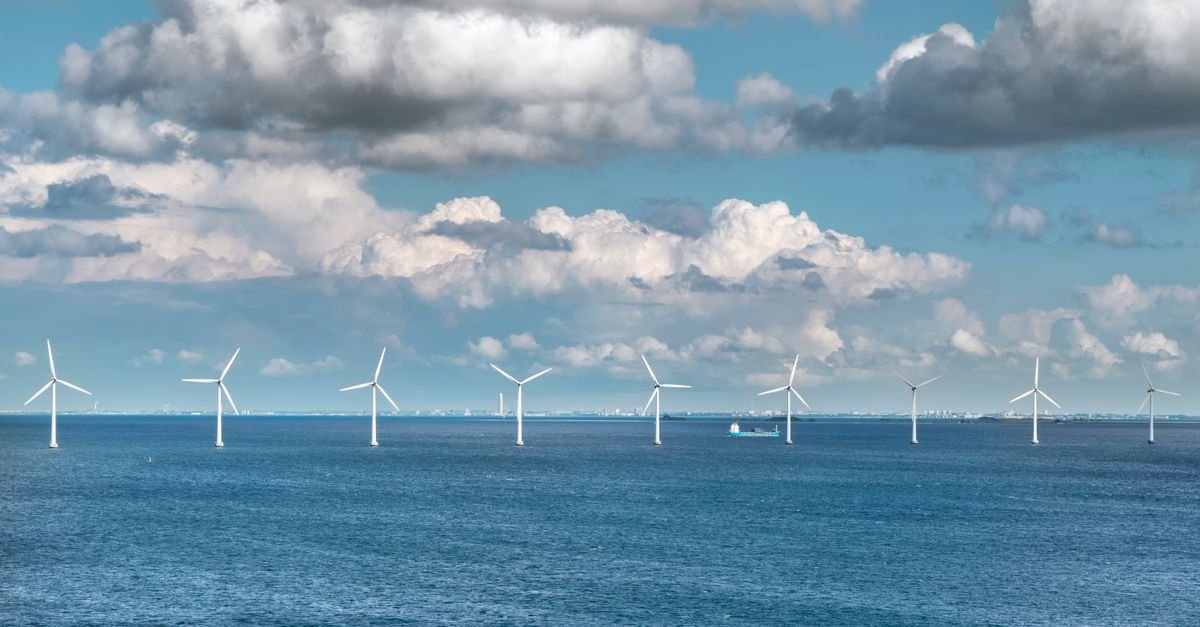
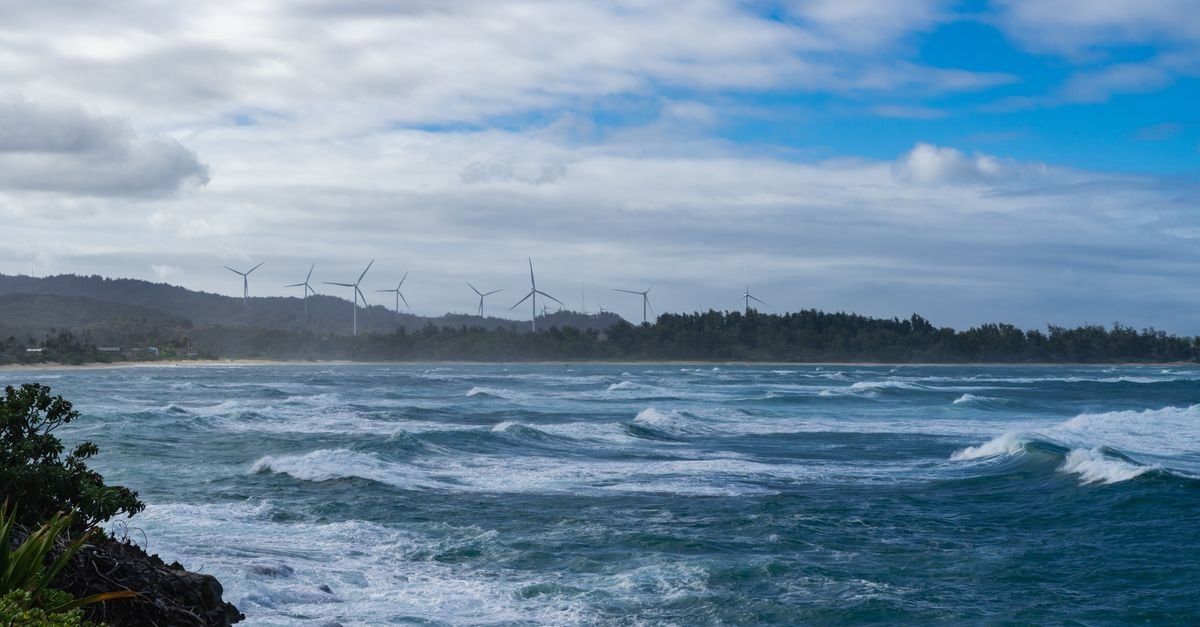
The optimal configuration combined wind turbines, diesel generation, biogas from livestock manure, and battery storage, achieving a lifecycle cost of $60.02 million with a levelized cost of electricity of $0.2759 per kilowatt-hour. This system maintained zero unmet load while producing 23,540 kilograms of green hydrogen annually at a cost of $197 per kilogram. Monte Carlo uncertainty analysis confirmed the model's robustness, identifying demand growth and diesel pricing as primary risk factors.
Critically, researchers used multi-objective optimization to identify a compromise design reducing carbon emissions by 10.1 percent and increasing hydrogen output by 73.4 percent for only 6.5 percent additional cost—a trade-off impossible to achieve through conventional single-objective sizing alone. This demonstrates the value of advanced optimization techniques in off-grid renewable planning.
Fully renewable configurations achieved near-zero emissions but required capital investments up to $129.35 million, making them economically challenging for developing communities. The research reveals that local resource availability—specifically livestock-manure biogas—rather than geographic location alone determines economic viability.
Bangladesh's coastal regions face severe grid-extension constraints due to terrain and population density, making autonomous microgrids attractive. This framework directly addresses the multifaceted energy demands of rural communities, including residential loads, water pumping, and emerging electric vehicle fleets. By leveraging existing agricultural byproducts, the approach provides a transferable pathway for similar off-grid electrification challenges throughout South and Southeast Asia, supporting both energy access and climate goals.