Inland Waterways Could Enable Germany's Hydrogen and Carbon Networks
⚡ AI Executive Summary
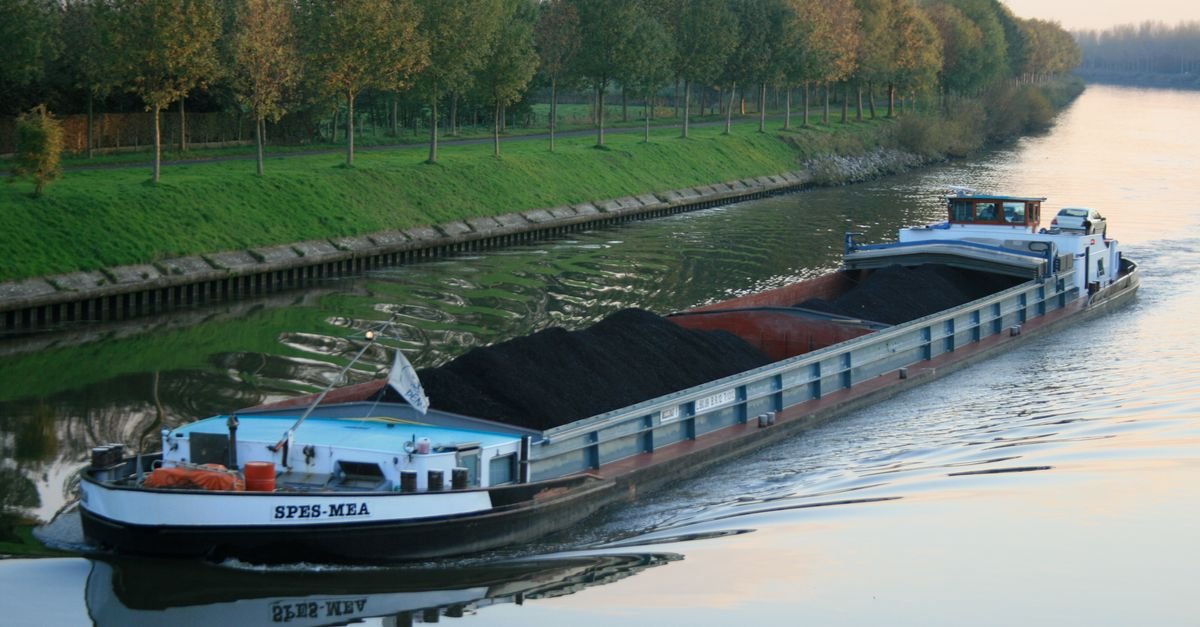
A German research effort has evaluated how inland waterway transport infrastructure might serve as a backbone for emerging hydrogen and captured carbon dioxide distribution systems in the country's energy transition. The study examines the technical and economic feasibility of leveraging existing barge networks and canal systems to move both hydrogen fuel and CO₂ streams from industrial and energy facilities to end users and storage sites. For power and grid operators, this finding carries important implications: hydrogen will likely become a critical demand flexibility tool and long-duration storage medium, but only if supply chains can scale cost-effectively. Using mature transport assets—barges and waterways—rather than building dedicated pipelines or truck fleets could reduce capital intensity in the early deployment phase. This approach may also provide utilities with optionality around hydrogen's role (power generation, industrial feedstock, or storage) depending on regional demand patterns. The analysis suggests inland waterways merit serious consideration in national hydrogen strategies, particularly for central European grid operators planning multi-decade decarbonization pathways.
This is a brief summary of reporting originally published by FuelCellsWorks. Read the full article for the complete story:
Read the full story at FuelCellsWorks ↗