Iran conflict threatens global oil supplies through Hormuz Strait
⚡ AI Executive Summary
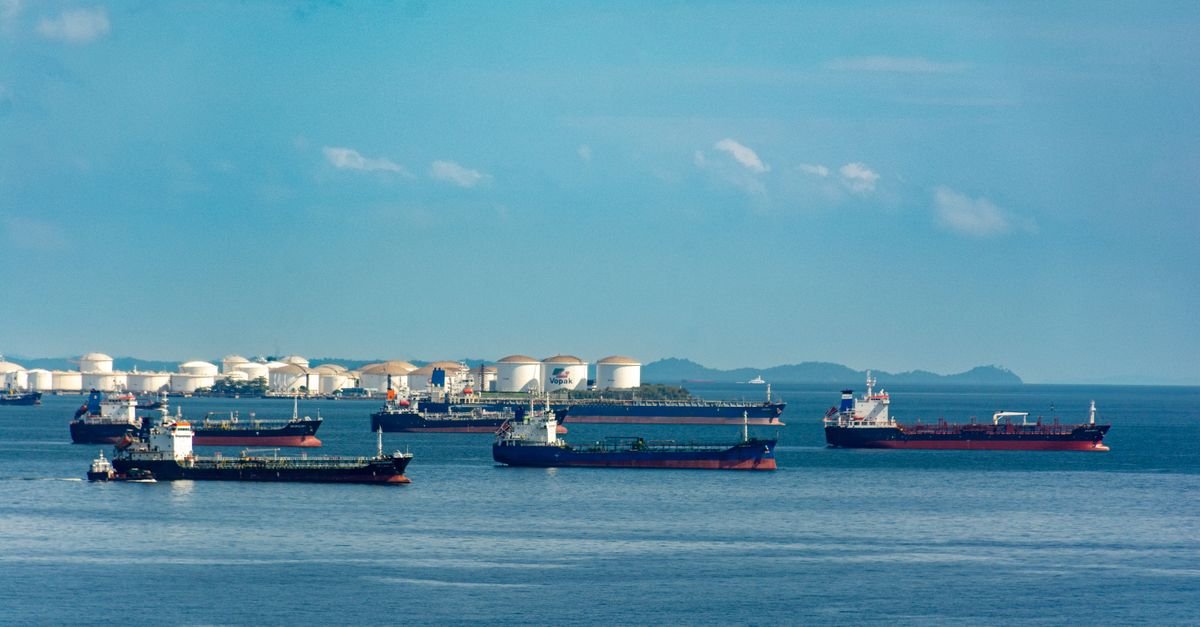
A collapsed ceasefire between the United States and Iran in the Persian Gulf region has reignited military tensions after a fragile month-long truce. The Trump administration's June memorandum of understanding, which briefly eased shipping restrictions and unfroze Iranian assets, failed to address fundamental disagreements over regional control and has unraveled with the reinstatement of US naval blockades and new escort payment demands. The geopolitical stalemate carries profound energy implications. With approximately four million barrels daily transiting the Strait of Hormuz—along with exposure to additional disruptions in the Bab el Mandeb if Houthi forces escalate—global oil markets face sustained supply uncertainty. The lack of a durable diplomatic path suggests producers are now planning expensive infrastructure workarounds, signaling markets that no near-term resolution is anticipated. Strategic petroleum reserves are declining while price volatility persists, creating cascading risks for developing economies dependent on stable energy costs.
This is a brief summary of reporting originally published by Atlantic Council - Energy. Read the full article for the complete story:
Read the full story at Atlantic Council - Energy ↗