Iran-US escalation threatens Gulf energy infrastructure and oil markets
⚡ AI Executive Summary
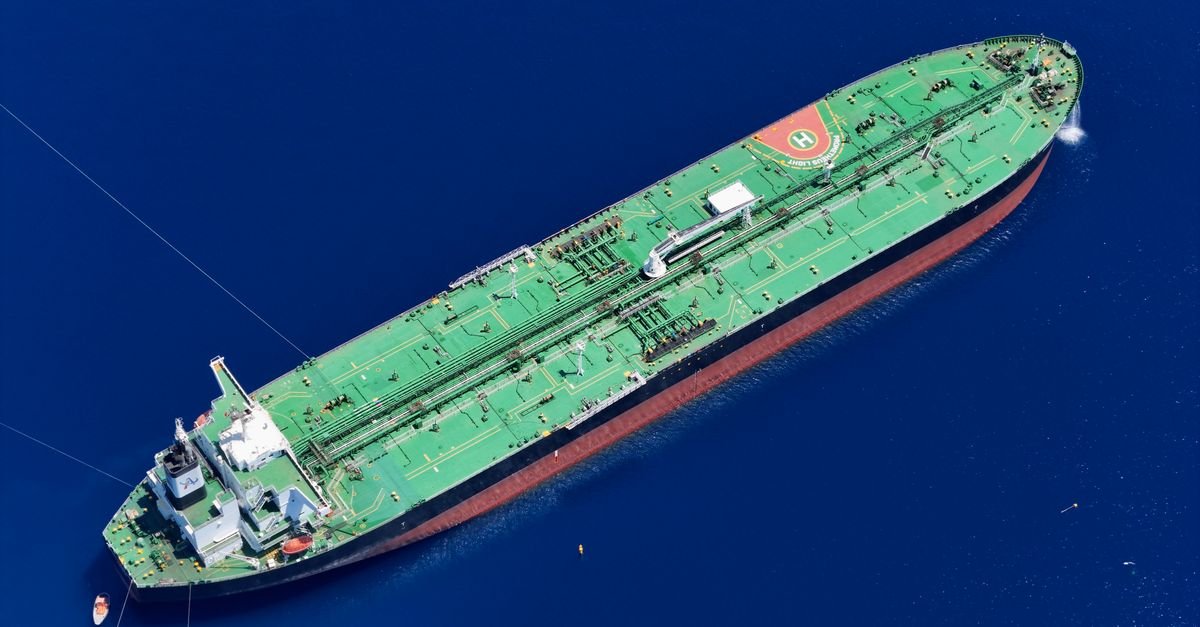
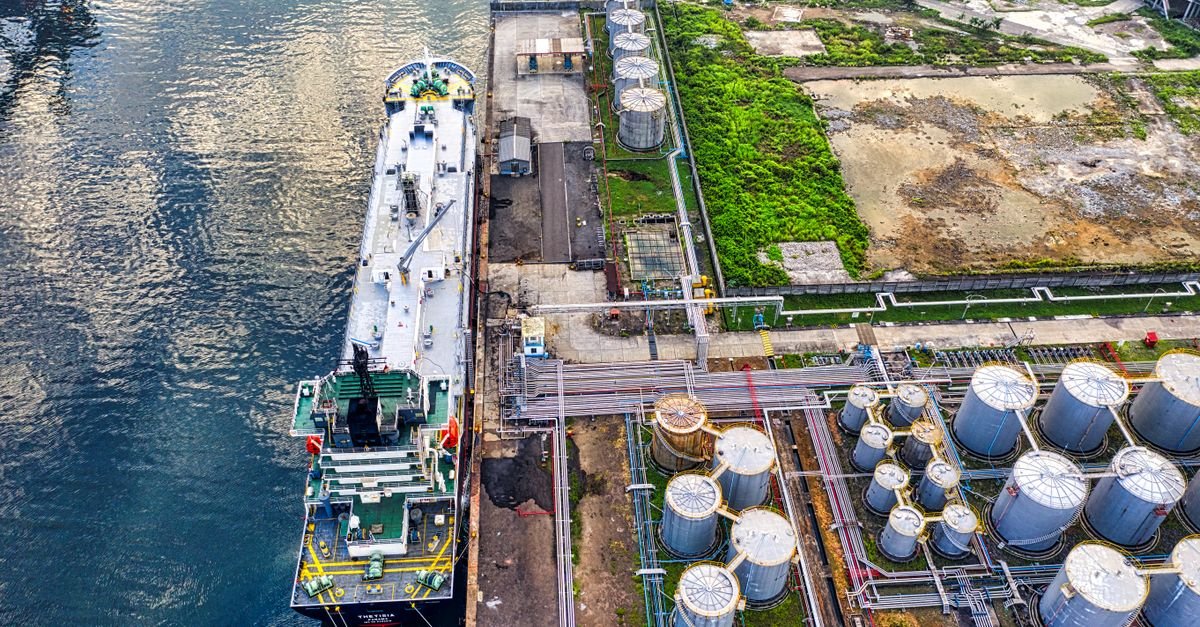
Military hostilities between Iran and the United States have intensified dramatically, with strikes now targeting civilian energy infrastructure across the Gulf region. Kuwait's oil facilities and power plants sustained damage, while crude prices surged on concerns that a fragile ceasefire has collapsed. The escalation signals a shift from purely military targets to critical infrastructure, raising the stakes for regional stability. For power and energy professionals, this development carries direct operational implications. Disruptions to Gulf energy assets—whether temporary or prolonged—create immediate supply shocks that ripple through global markets and test grid resilience in importing nations. The targeting of desalination and power plants underscores how geopolitical conflict now explicitly threatens the water-energy nexus. As maritime constraints and export sanctions intensify, energy traders and utility planners must reassess supply chain risk, inventory positioning, and long-term portfolio strategy in light of an apparent breakdown in diplomatic restraint.
This is a brief summary of reporting originally published by Energy Connects. Read the full article for the complete story:
Read the full story at Energy Connects ↗Related in Oil & Gas