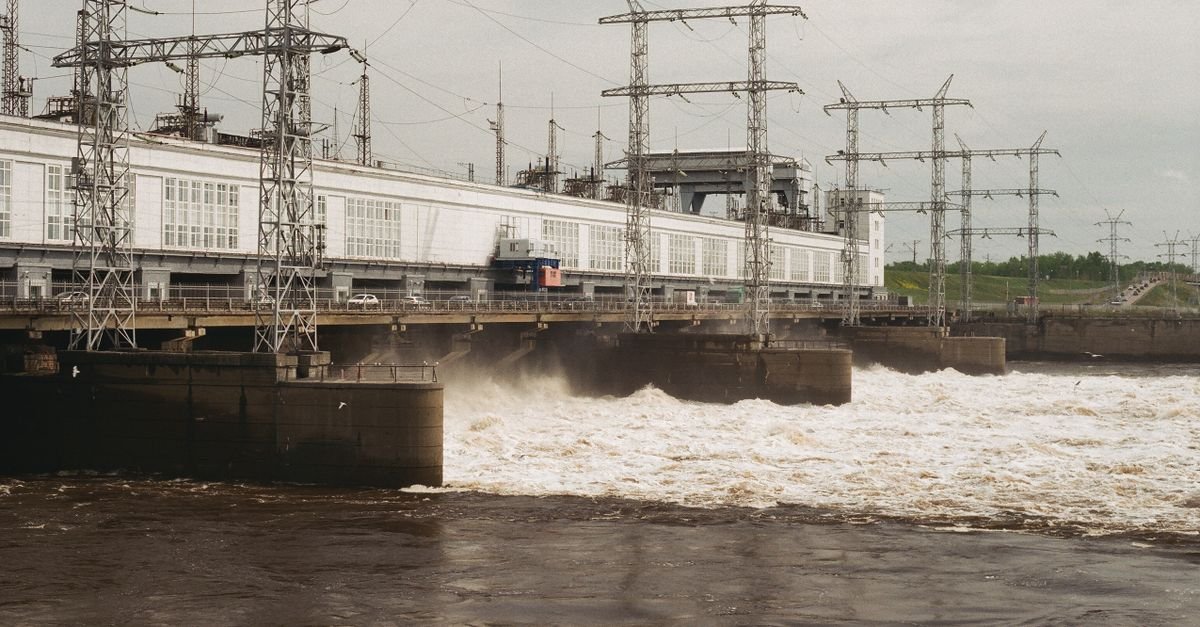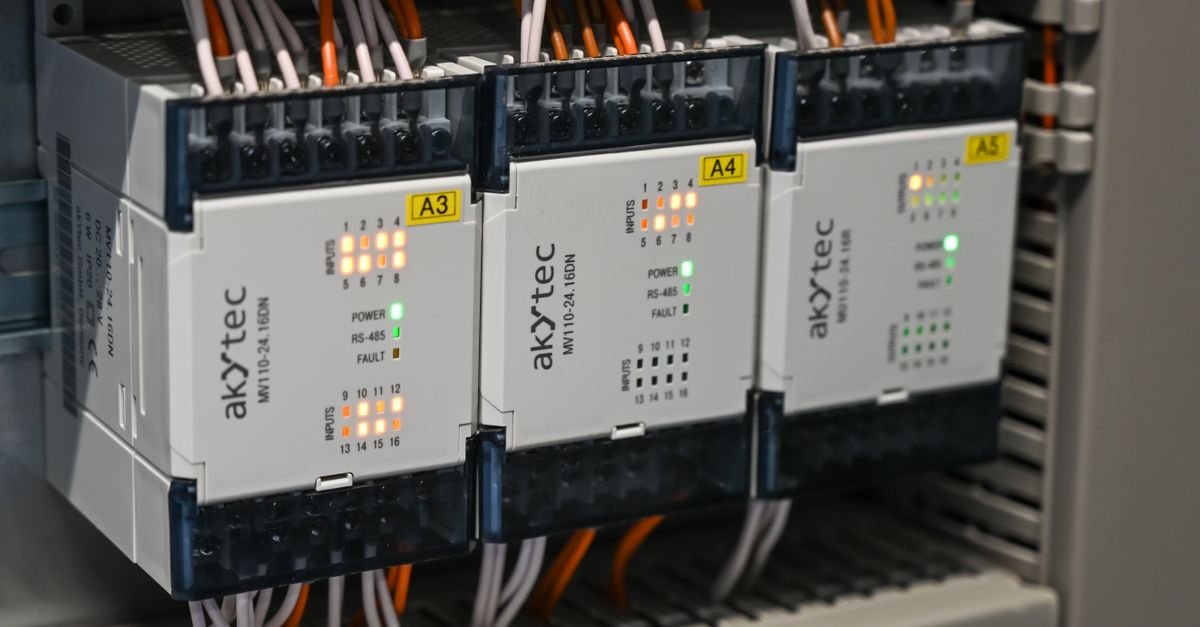
Smart substations depend on high-speed, reliable communication networks to execute protective relays, automated switching, and coordinated control—making network robustness essential to grid stability. Traditional feedback-based communication strategies struggle when network conditions degrade, leaving operators vulnerable to cascading outages triggered by latency spikes or lost data packets.
Researchers have demonstrated a novel control method using Linear Active Disturbance Rejection Control (LADRC) to dynamically compensate for communication faults in substation process-layer virtual circuits. Rather than relying on fixed configuration rules, the system deploys a Linear Extended State Observer (LESO) to estimate real-time disturbances—including delay variations, packet loss, and queue congestion—across the network protocol stack. The LESO treats these multi-source problems as a single filtered disturbance signal, enabling supervisory scheduling algorithms to proactively adjust circuit parameters before failures propagate.
Laboratory trials compared the LADRC method against conventional baseline strategies under realistic fault scenarios. Results showed end-to-end latency fell from 2.47 milliseconds to 1.28 milliseconds—a 48% improvement critical for time-sensitive protection schemes. Packet loss rates dropped dramatically from 0.52% to 0.06%, and jitter suppression increased 127%, indicating significantly more predictable performance under stress.
These metrics matter because modern grid automation increasingly relies on millisecond-scale timing. Protection relays coordinating across multiple substations, renewable energy integration algorithms, and demand-response signaling all require consistent, low-latency links. The LADRC framework's ability to adapt in real time—rather than reverting to static fallback modes—preserves grid reliability during the network anomalies that are becoming more common as IT infrastructure ages and cyber threats evolve.
The method provides operators with a tuning-free, hardware-agnostic approach to strengthening substation communication resilience without equipment replacement, making it practical for utilities managing aging infrastructure alongside smart grid modernization.