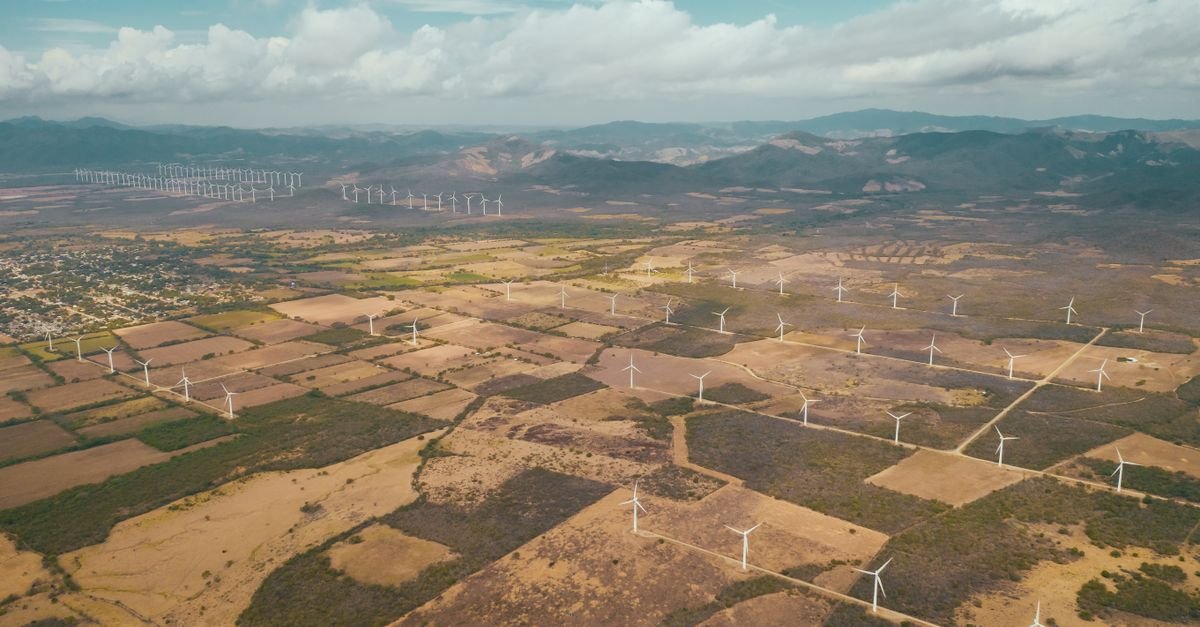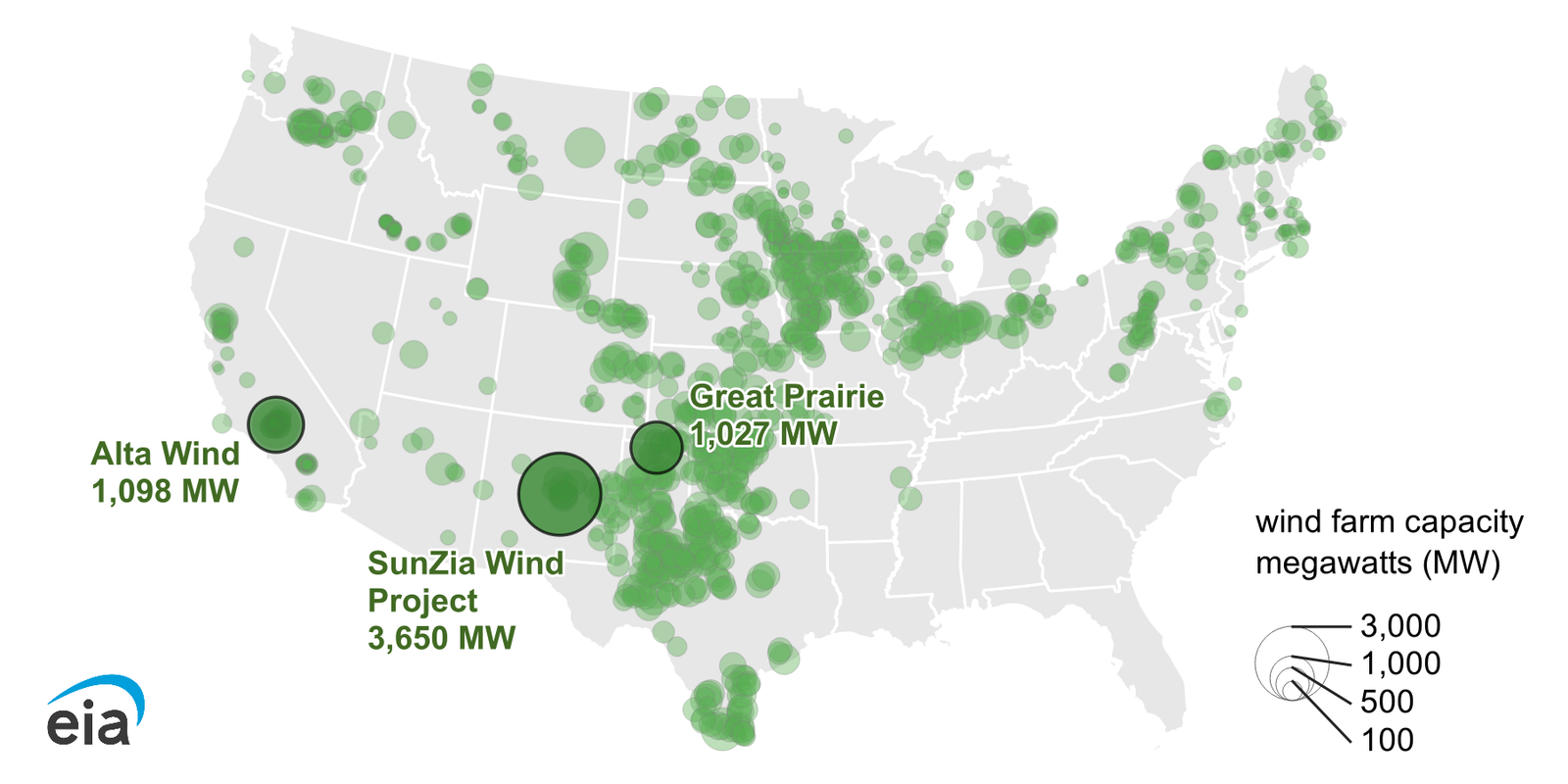
The SunZia Wind Project has officially entered commercial operation, establishing itself as a landmark renewable energy asset for North America. Located in New Mexico, the facility generates 3,650 megawatts of net summer capacity through 916 wind turbines strategically positioned to harness regional wind resources. This generation volume represents a significant leap in scale compared to existing installations—more than triple the capacity of Alta Wind in Southern California (1,098 MW) and nearly three times larger than Great Prairie in Texas (1,027 MW).
The project's infrastructure reflects modern grid integration best practices. Dedicated high-voltage transmission lines have been developed to efficiently transport generated power to load centers in Arizona and California, regions with substantial electricity demand and renewable energy targets. This direct transmission connection minimizes losses and ensures reliable delivery of clean generation to end-users and grid operators.
SunZia's commercial operation carries important implications for the western interconnection. The facility contributes meaningfully to regional decarbonization goals while providing dispatchable wind generation during favorable meteorological conditions. For grid operators, integrating 3,650 MW of variable renewable generation requires sophisticated forecasting, balancing, and coordination with existing thermal and hydroelectric resources.
The project also demonstrates the continued viability of large-scale onshore wind development in the United States, despite competitive pressures from solar, battery storage, and other technologies. Its successful deployment suggests that properly sited and permitted wind farms can still deliver substantial capacity additions to meet growing electricity demand and support state-level renewable portfolio standards.
For power system planners and transmission operators, SunZia underscores the necessity of continued investment in long-distance transmission infrastructure to unlock remote wind resources and transport them to demand centers efficiently. As the U.S. accelerates its clean energy transition, projects of this scale will be essential for meeting future load growth while maintaining grid reliability.