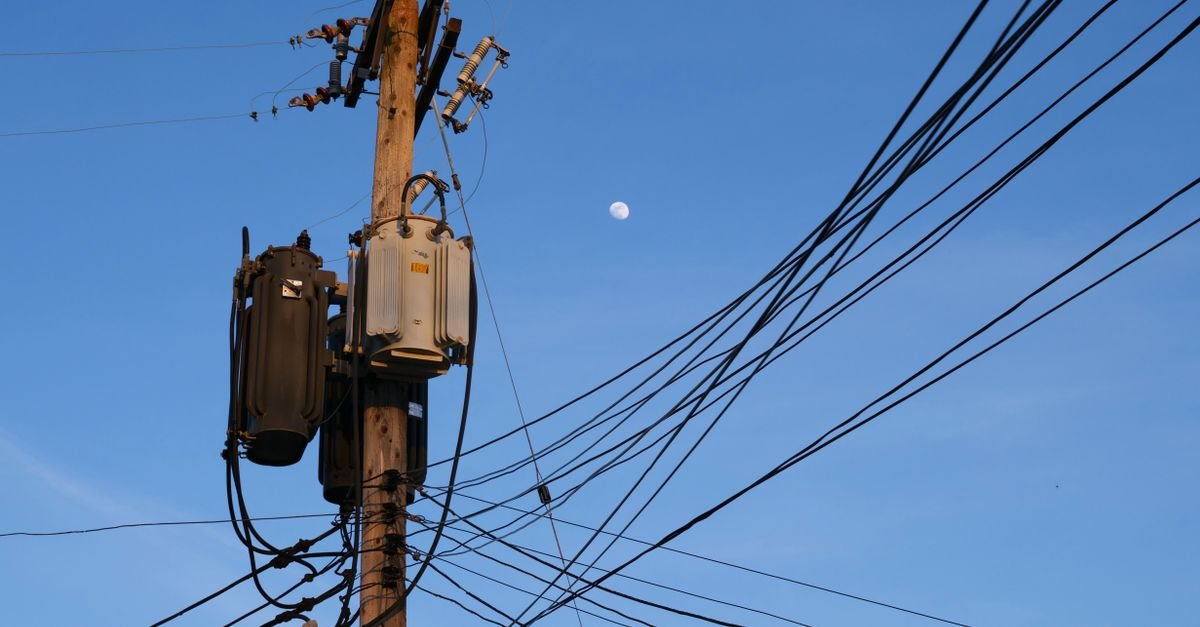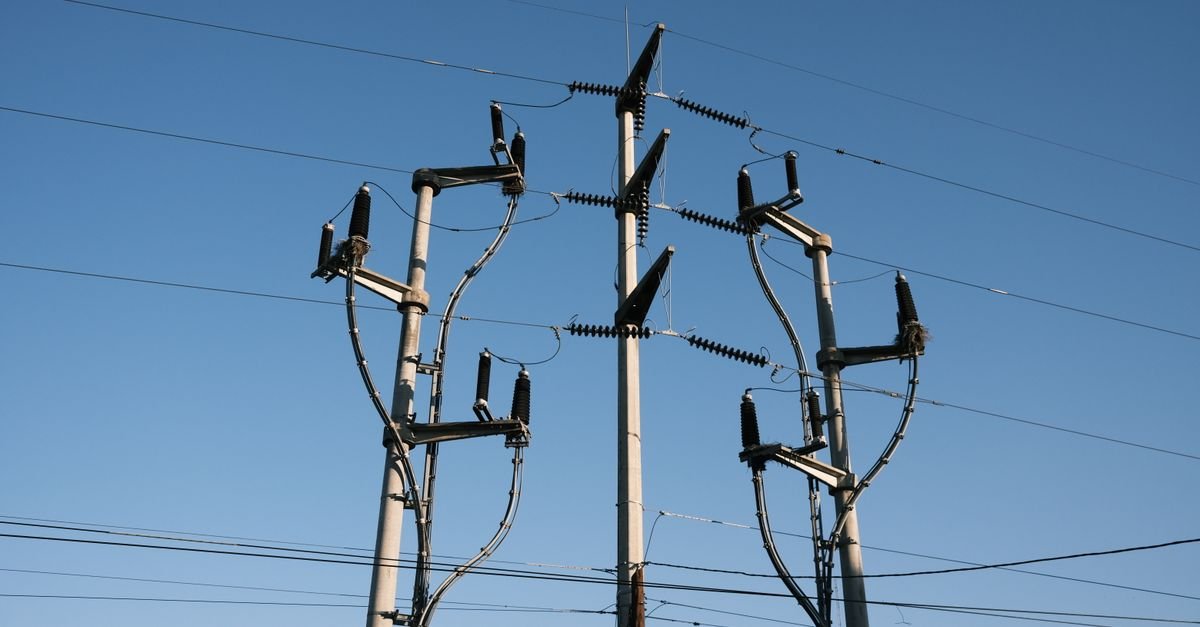
Distribution grid operators face mounting complexity from distributed energy resources, demand variability, and extreme weather events. Traditional analysis tools often require specialized expertise and are limited to deterministic assessments, missing critical uncertainty quantification needed for reliable operations.
CONDUCTOR addresses these limitations by leveraging large language models as a natural-language orchestration layer for power system solvers. Rather than requiring operators to manually call multiple specialized tools, the system accepts conversational queries and autonomously coordinates appropriate analysis and optimization routines. This human-centered interface democratizes access to sophisticated grid studies.
The framework's core innovation is its uncertainty-aware capability set. Beyond standard power flow and contingency analysis, CONDUCTOR performs probabilistic security assessment to quantify risk under variable conditions, robust corrective dispatch to ensure feasible remedial actions across uncertainty ranges, and flexibility-envelope characterization to understand how distributed resources can support grid stability. These functions are essential as renewable penetration increases and traditional generation provides less inertia.
Validation occurred on the Bornholm 60 kV distribution network—a real 13-MW island system in Denmark—using 12 months of actual smart-meter data. A behavioral evaluation across 68 diverse operator prompts tested tool selection accuracy, logical consistency, state management discipline, and appropriate refusal of infeasible requests. The orchestrator achieved 98.5% correct-first-attempt performance, with the sole failure being an incomplete rather than incorrect response.
The open-source release is significant for the research community. It provides a replicable framework for integrating emerging AI capabilities with proven power system mathematics. For utilities and grid operators, CONDUCTOR demonstrates how conversational AI can reduce analysis friction and enable faster, more informed operational decisions. As distribution grids become increasingly dynamic, such decision-support tools will become essential for maintaining reliability and enabling higher renewable penetration while reducing reliance on specialized expertise.