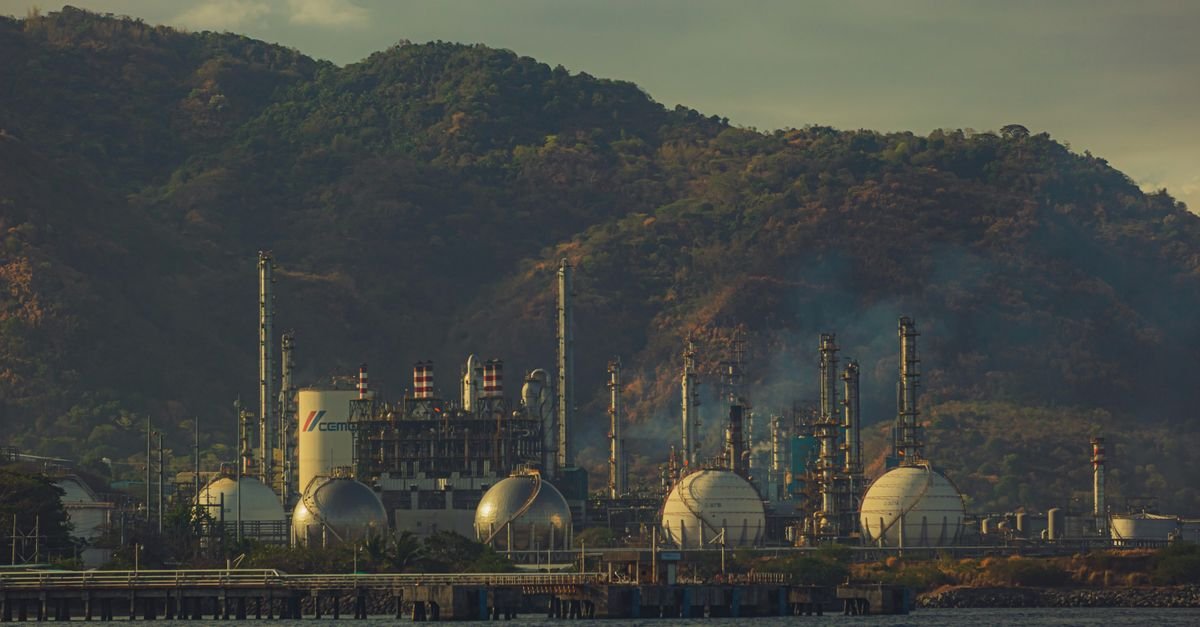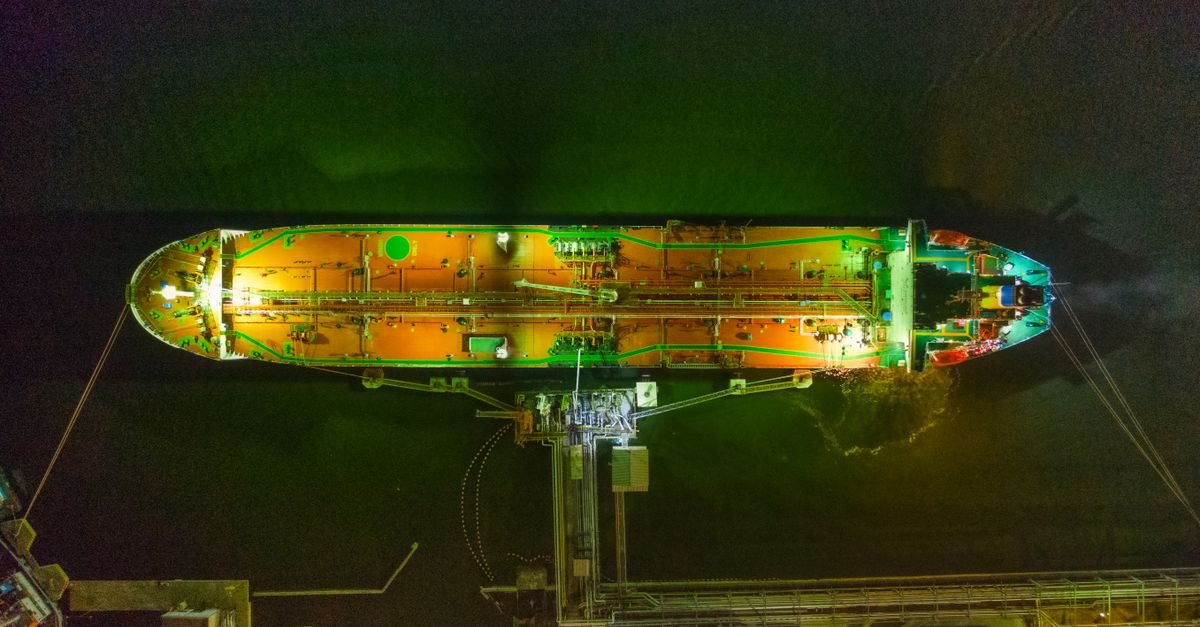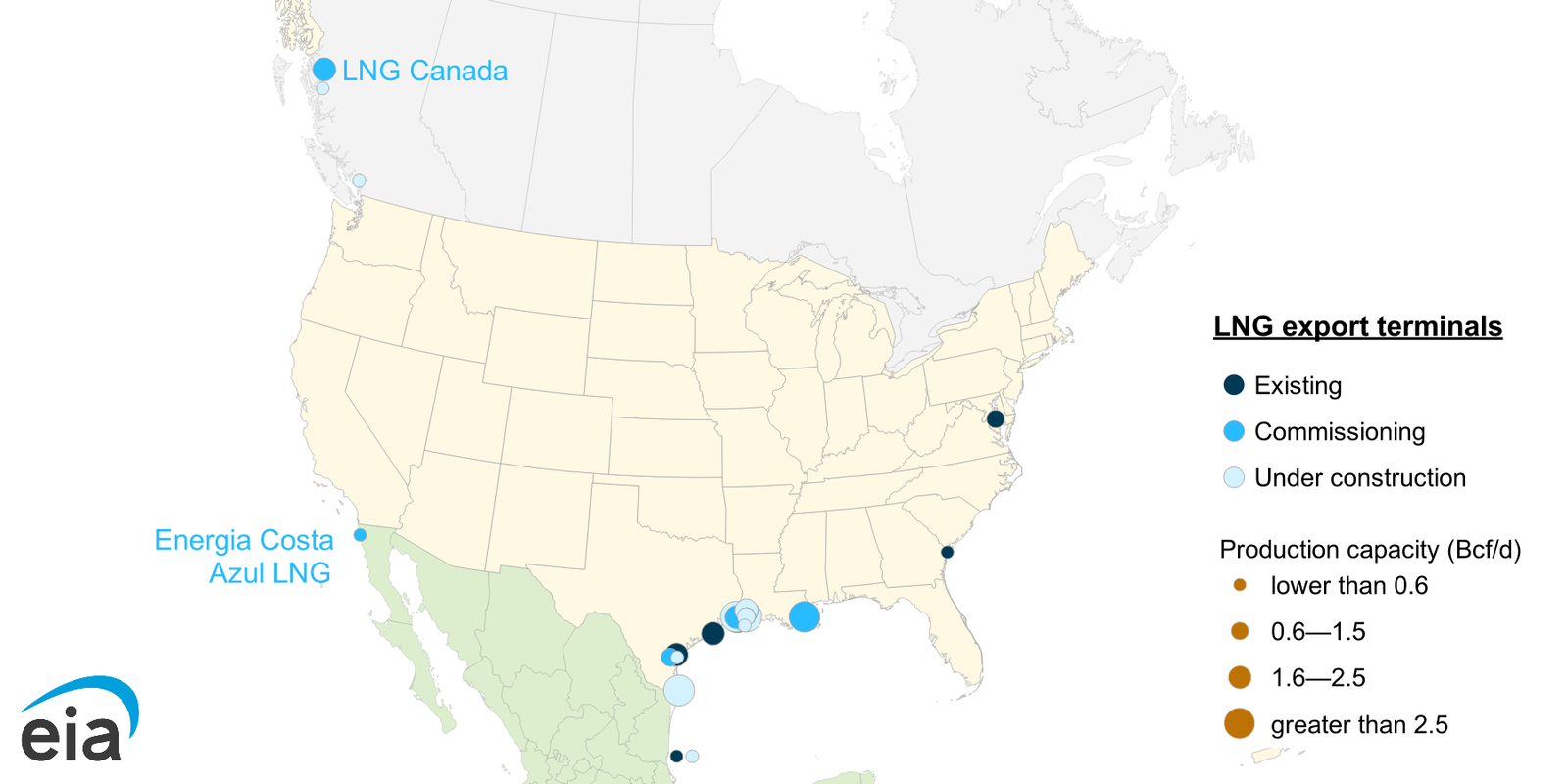
Energia Costa Azul has begun commercial operations as Mexico's second liquefied natural gas export terminal, marking a significant milestone for the country's energy infrastructure. The facility shipped its first cargo on July 8 from Phase 1, which is designed to process and export natural gas from Mexico's reserves and neighboring production regions.
The initial phase of operation delivers 0.4 billion cubic feet per day of nominal export capacity through a single liquefaction train. This addition effectively triples Mexico's total LNG export capacity, elevating the nation's position in global energy markets. The facility joins LNG Canada as the only two LNG terminals on North America's Pacific Coast, collectively providing 2.2 Bcf/d of regional export capacity.
Strategic geography provides a competitive advantage for the project. Located on Mexico's Pacific shoreline, Energia Costa Azul benefits from significantly shorter maritime routes to Asian importers compared to facilities on the Atlantic Coast or the U.S. Gulf of Mexico. This geographical positioning reduces shipping times and costs, making Mexican LNG more attractive to Asian buyers increasingly seeking diversified supply sources.
The project demonstrates Mexico's commitment to leveraging its natural gas resources for export revenue and energy security. With global LNG demand remaining robust—particularly from Asia-Pacific markets—the timing of Energia Costa Azul's entry into commercial service aligns with favorable market conditions.
Future expansion plans include Phase 2 development, which would substantially increase the terminal's total capacity. Once fully developed, the facility could become one of Mexico's largest LNG export centers and reinforce North American LNG competitiveness in Pacific markets. The project also supports employment and economic development in the Mexican states where infrastructure operates.