Morocco's healthcare sector faces significant energy demands as hospitals require continuous, reliable power for critical operations, particularly in specialized areas such as operating theatres. A detailed analysis of Moroccan public hospital energy consumption patterns reveals that the sector consumes approximately 236 GWh annually across the country, averaging roughly 10 MWh per functional bed per year. Operating theatres, while representing less than 1% of typical hospital floor area, account for over 5% of total hospital electricity consumption due to stringent ventilation, sterilization, and environmental control requirements necessary for patient safety and surgical standards.
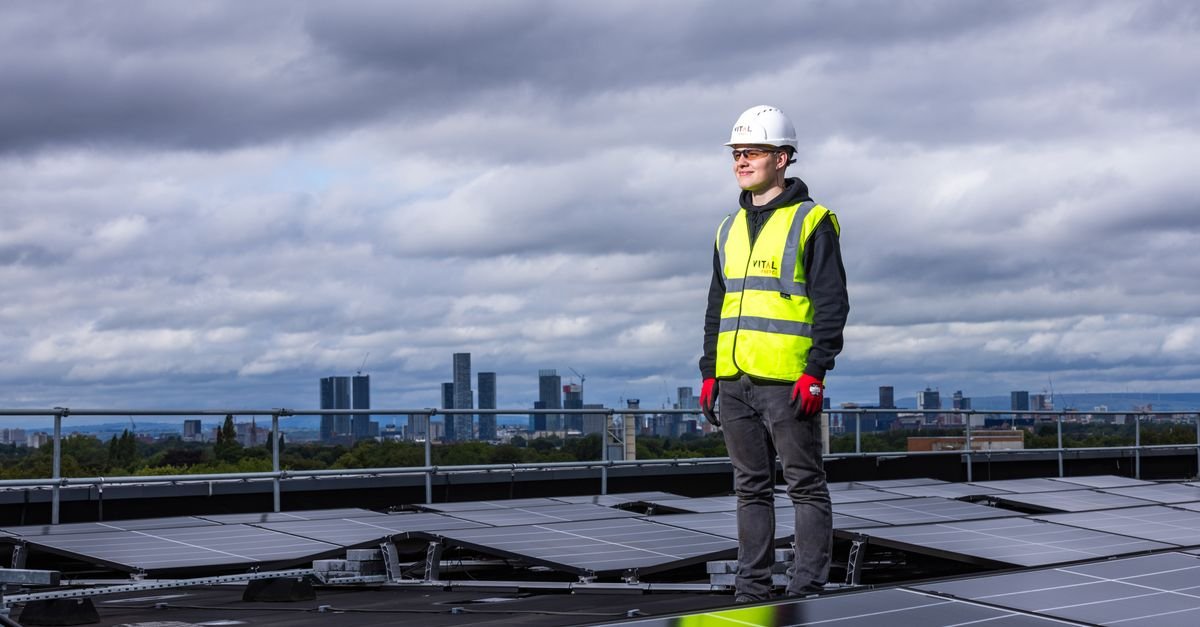
Researchers conducted dynamic energy simulations using TRNSYS software to evaluate distributed energy system integration at a university hospital in eastern Morocco's semi-arid climate. The analysis examined photovoltaic self-consumption coupled with battery storage specifically allocated to operating theatre blocks. Results demonstrate significant potential: pairing solar arrays with energy storage reduced annual grid imports from 343 MWh to 215 MWh, representing a 37.5% reduction in electrical demand from the grid.
Morocco's abundant solar resources and government commitment to renewable energy expansion create favorable conditions for hospital-scale distributed generation. However, successful deployment requires multi-faceted approaches beyond technology installation. The study identifies critical implementation barriers including capital constraints, technical expertise gaps, and limited policy frameworks specific to healthcare facilities.
Proposed solutions include energy service company (ESCO) financing models, which shift capital burdens away from hospital budgets while guaranteeing energy savings. Additional pathways include polygeneration systems combining heat and power generation, and innovative waste-to-energy solutions utilizing medical waste streams. These integrated approaches would support Morocco's broader energy transition targets while enhancing hospital energy resilience and reducing operational costs.
The findings provide a blueprint for healthcare energy planning across North Africa and similar regions, demonstrating that distributed energy systems represent both economically viable and environmentally sustainable solutions for critical infrastructure in emerging markets.