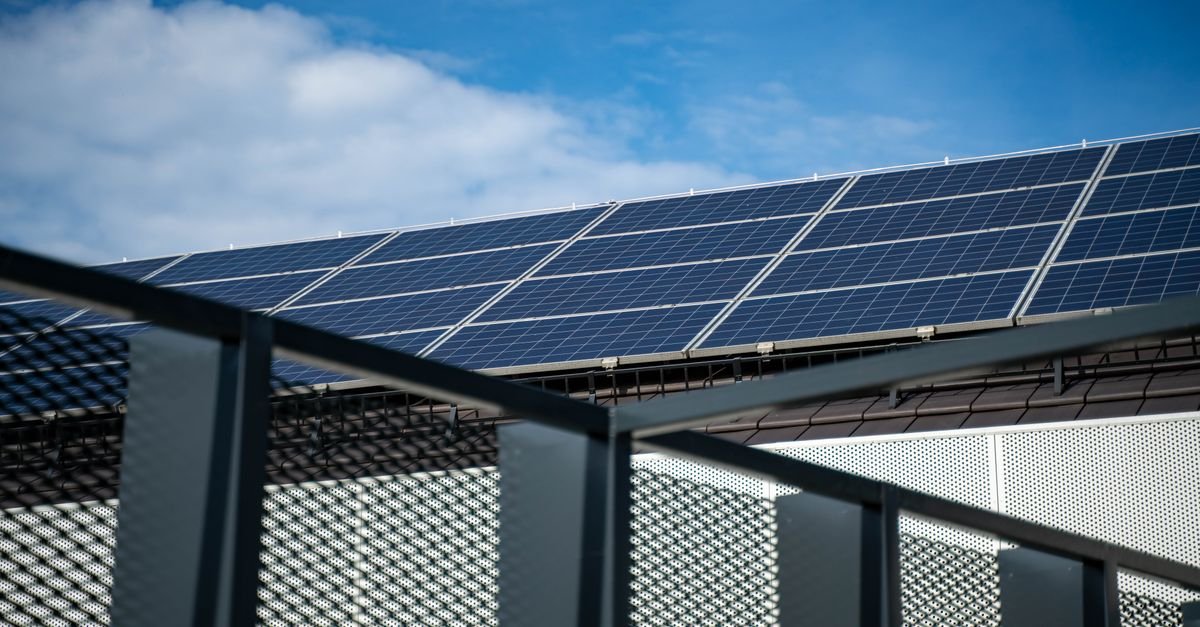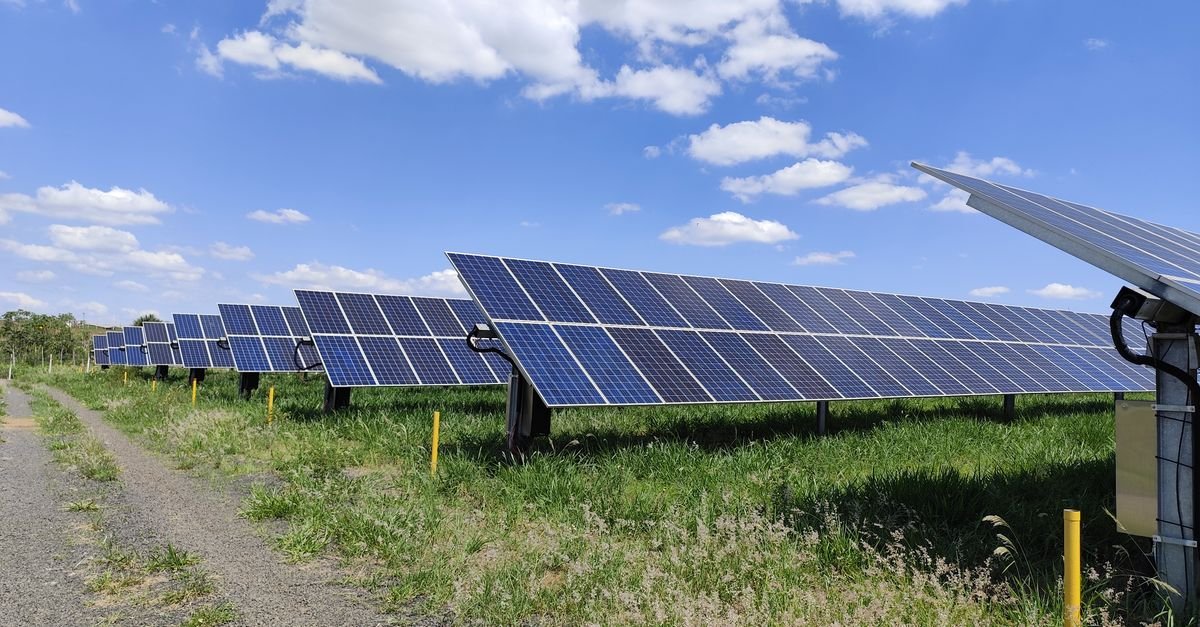
As distributed photovoltaic (PV) installations proliferate across distribution networks, utilities face mounting pressure to safely integrate more solar capacity without compromising grid stability. Excessive PV penetration frequently causes voltage violations and reduces the system's ability to maintain stable operations during demand transitions—challenges that current hosting capacity methods inadequately address.
Researchers have introduced an innovative dynamic hosting capacity (DHC) assessment framework designed to maximize PV integration while enforcing strict voltage stability constraints. The method begins by identifying critical operating scenarios: conditions of maximum reverse power flow (when PV generation exceeds local demand) and maximum forward heavy loading (peak consumption periods). Rather than relying on static historical data, the approach uses advanced probabilistic forecasting to generate these stress scenarios, capturing realistic grid conditions.
The core innovation lies in treating voltage stability margin as a binding constraint within an optimization model. This ensures that recommended PV capacity limits remain robust even during difficult transitions between light and heavy load periods—precisely when voltage violations most commonly occur.
To overcome the computational intensity of traditional analysis, the team deployed a hybrid solution combining deep neural networks with particle swarm optimization. The DNN learns the nonlinear boundaries of acceptable voltage stability offline, enabling rapid real-time predictions. Results are then validated against physical grid models to confirm accuracy.
Testing on a modified IEEE 33-bus distribution system revealed that the framework identifies capacity limitations imposed by evening peak voltage stability—constraints that conventional methods routinely miss. Simultaneously, the machine learning approach dramatically reduced calculation time while maintaining assessment rigor.
This advancement holds significant implications for distribution network planners. By accurately quantifying how much solar can connect at each network location while guaranteeing stability during peak periods, utilities can accelerate distributed PV deployment with greater confidence. The method bridges a critical gap between theoretical capacity and practical grid operation, supporting the transition toward higher renewable penetration rates.