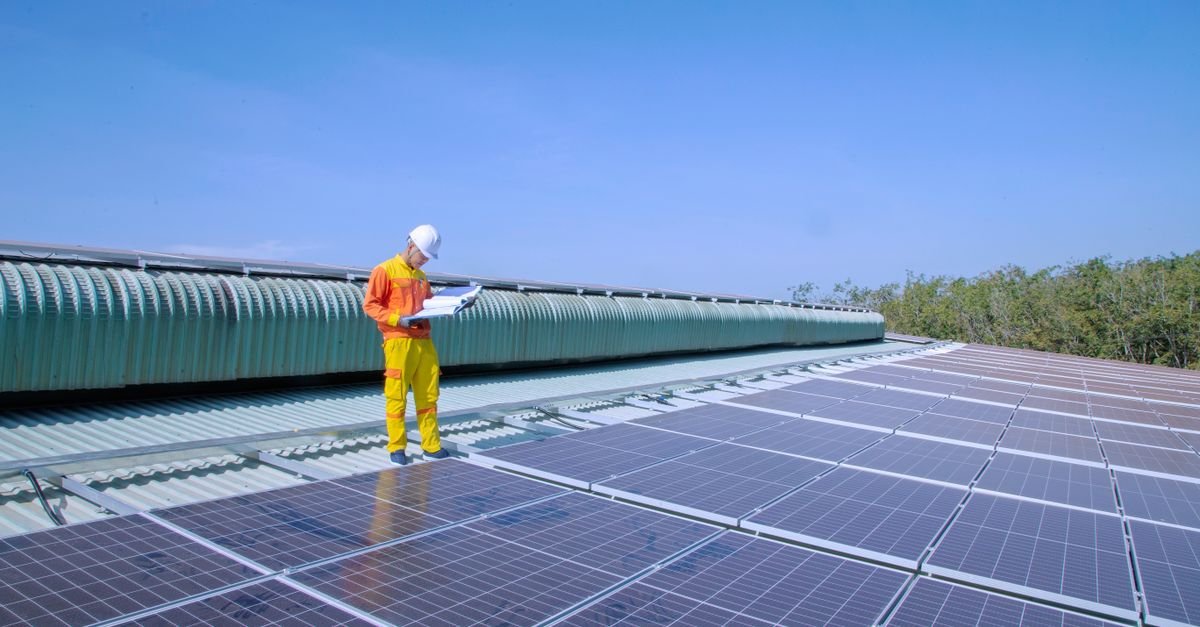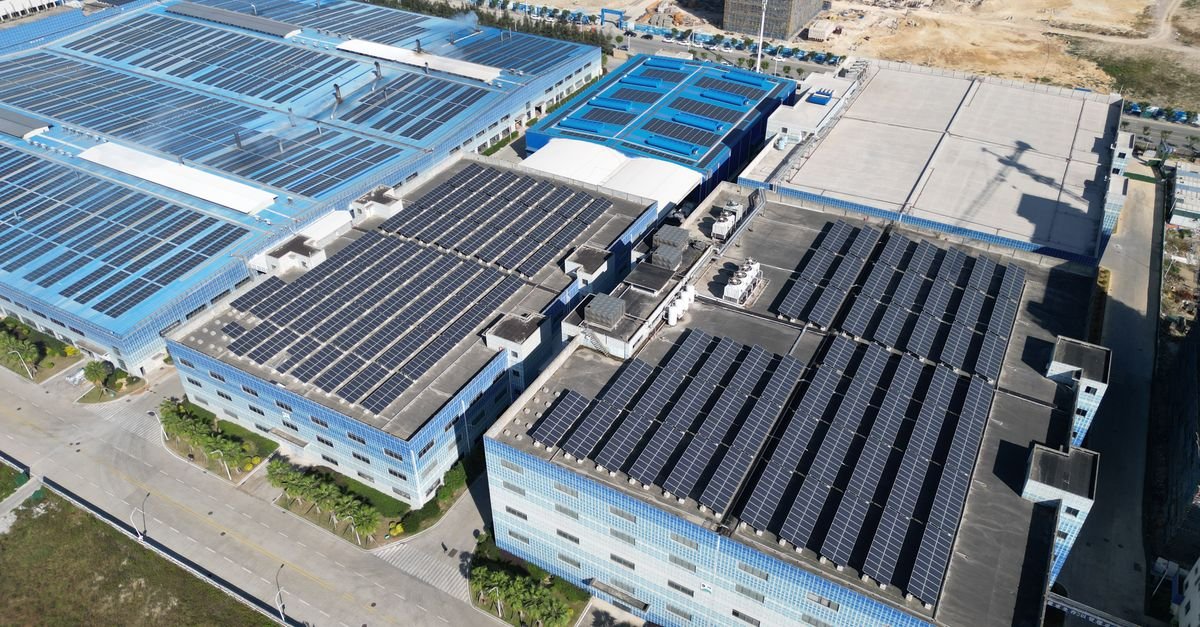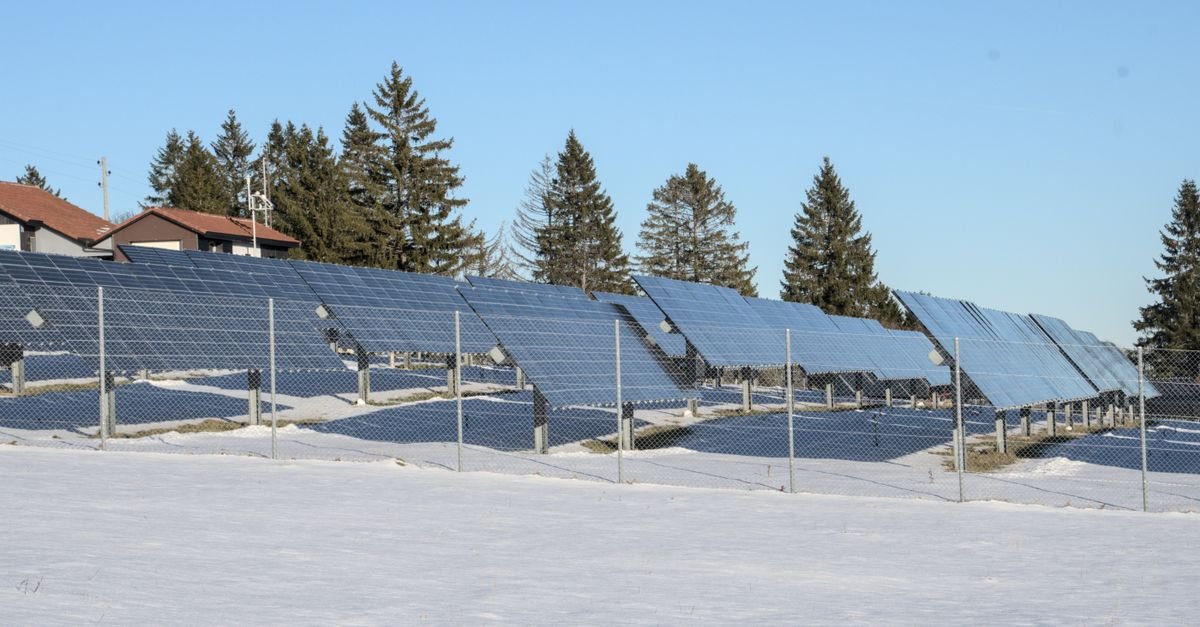
Distributed solar generation in New York is creating a pronounced midday demand reduction that grid operators must now account for in their operational planning. The New York Independent System Operator (NYISO) is observing measurable decreases in metered electricity consumption during afternoon hours, driven by the cumulative output of rooftop systems and small-scale solar installations spread across the state.
The effect becomes most pronounced during March and April, when multiple factors converge. Spring weather provides favorable conditions for solar irradiance, while overall electricity demand remains moderate compared to summer air conditioning peaks or winter heating loads. This creates a window where small-scale solar can displace a significant proportion of grid demand without the buffering effect of competing peak loads.
For NYISO and utilities managing the system, this trend presents both opportunities and operational complexities. The reduction in metered demand improves air quality and reduces fossil fuel generation during daylight hours. However, the sharp decline in midday consumption means that evening demand ramps become steeper as solar production falls after sunset, requiring operators to maintain greater ramping capacity and manage more volatile daily demand curves.
Forecasting accuracy becomes critical as distributed solar penetration increases. Traditional demand models developed over decades are becoming less reliable, since they cannot anticipate solar's variable contribution based only on historical consumption patterns. Grid operators must now integrate real-time solar generation data with weather forecasts to accurately predict net demand.
This New York trend reflects nationwide patterns as residential solar deployment accelerates. Utilities across the country face similar challenges managing demand profiles that peak earlier in the morning and later in the evening, with pronounced solar-driven depressions at midday. The transformation highlights the need for enhanced forecasting tools, updated grid models, and potentially new market mechanisms that properly value flexible load and distributed generation resources.