North Sea Oil Revival Critical for UK Energy Security and Grid Stability
⚡ AI Executive Summary
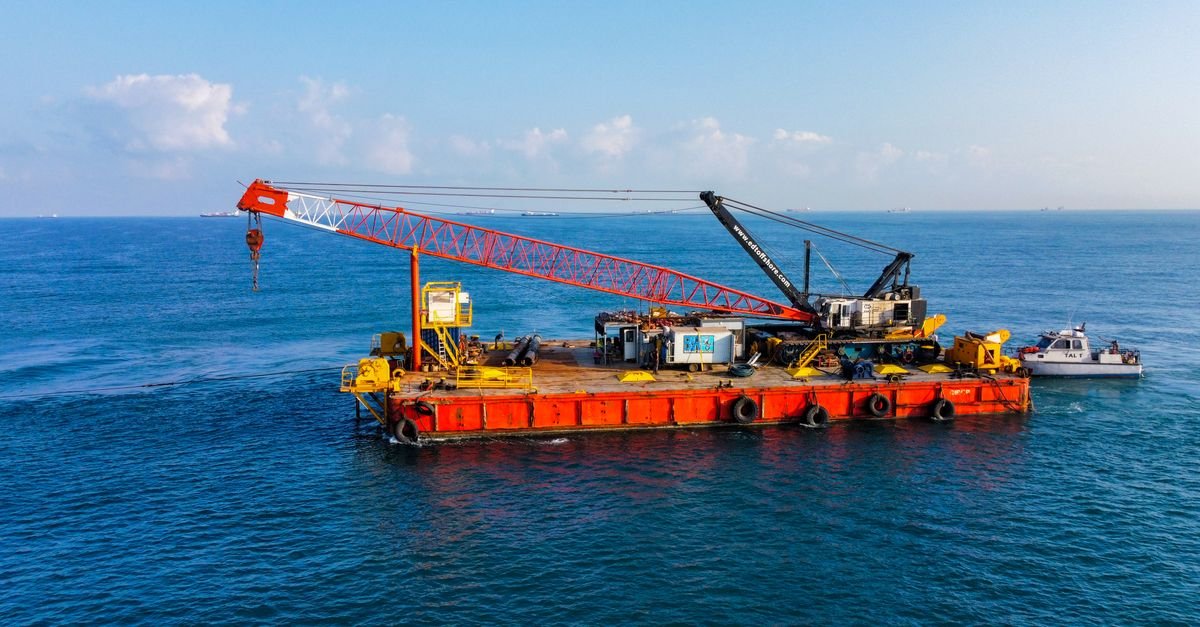
Britain's North Sea oil and gas sector faces existential challenges following BP's announced asset sales and declining investment, marking a significant shift in the nation's energy infrastructure. The sector has contracted dramatically, with workforce numbers plummeting and exploration activity stalling, while policy uncertainty and punitive taxation have made the region uncompetitive compared to international alternatives like Norway. For power systems, this decline threatens domestic energy security and grid resilience, as accelerating imports of liquefied natural gas carry higher carbon footprints and supply vulnerabilities than domestic production. The transition away from hydrocarbon extraction creates an opportunity to repurpose offshore infrastructure for carbon capture and storage—essential for managing industrial emissions that renewables alone cannot address. Strategic investment in the North Sea, coupled with creative fiscal mechanisms, could simultaneously support grid decarbonization, preserve skilled workforce capacity for emerging low-carbon technologies like geothermal and hydrogen, and generate revenue for energy efficiency upgrades that reduce peak demand pressure on the grid.
This is a brief summary of reporting originally published by Energy Connects. Read the full article for the complete story:
Read the full story at Energy Connects ↗