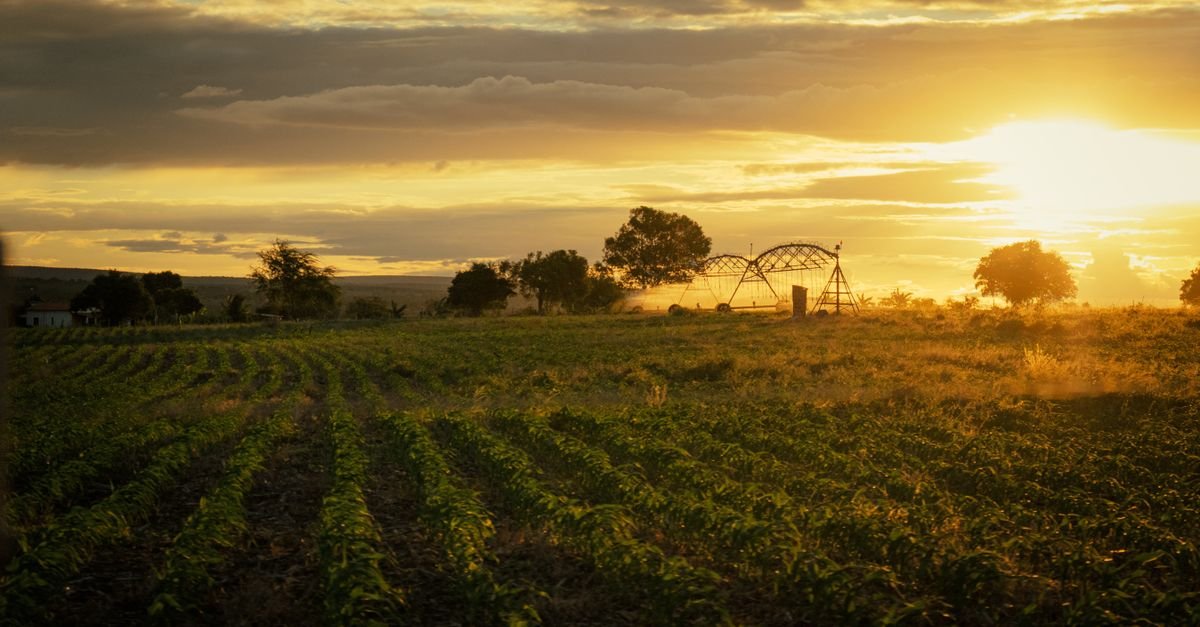
Ohio solar deployment remains minimal on prime farmland despite opposition
⚡ AI Executive Summary
Recent mapping data shows that utility-scale solar installations occupy a negligible fraction of Ohio's prime agricultural land, yet renewable energy opponents frequently cite farmland loss as grounds for blocking or restricting project development. This disconnect between actual land use and perceived risk reflects broader debates over agricultural preservation in regions transitioning to renewable energy. From a grid development perspective, Ohio's abundant farmland could theoretically support significant solar expansion to meet renewable portfolio targets and support regional load growth, yet local opposition—often disproportionate to actual land impact—creates regulatory and permitting friction. Understanding the true footprint of solar helps utilities and policymakers design evidence-based land-use frameworks that balance agricultural stewardship with decarbonization goals. States that clearly communicate actual versus projected land use may reduce permitting delays and accelerate solar deployment without sacrificing farmland integrity.
This is a brief summary of reporting originally published by Canary Media. Read the full article for the complete story:
Read the full story at Canary Media ↗Related in Solar & Wind