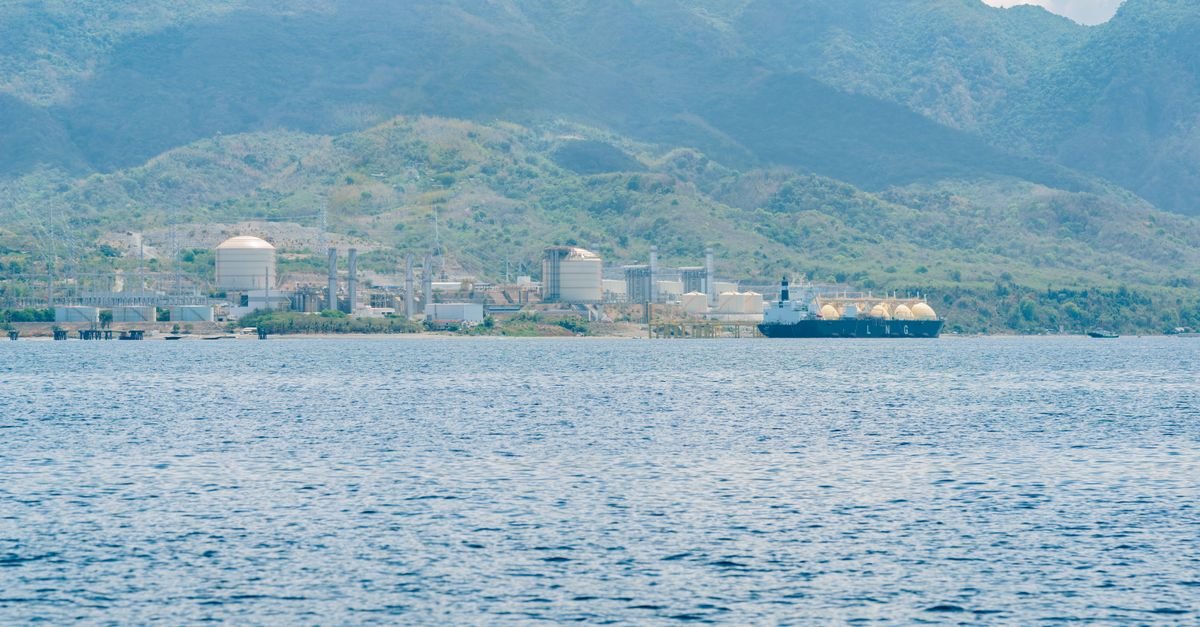
Pakistan's household energy sector faces significant structural inequalities that will persist through mid-century without deliberate policy intervention. Research analyzing three decades of consumption data shows rural households rely predominantly on biomass fuels for cooking and heating, while urban households have transitioned toward cleaner electricity and gas supplies. This rural-urban divide directly impacts the nation's clean energy goals.
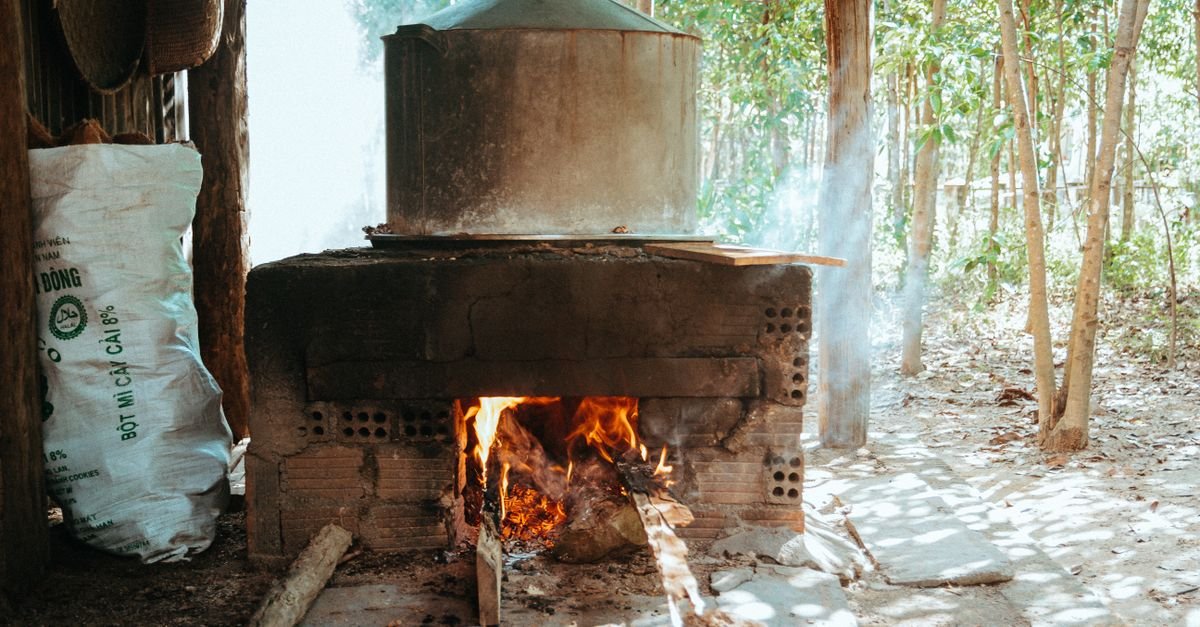
The study establishes that per capita energy consumption in rural areas has consistently exceeded urban levels by 39 to 54 percent since 1999, driven by lower efficiency in traditional fuel use and agricultural energy demands. However, the composition differs markedly: urban areas now consume primarily grid electricity and piped gas, whereas rural communities remain dependent on wood, agricultural residues, and other biomass sources. Cooking accounts for over three-quarters of all residential energy use nationally.
Projections through 2060 reveal divergent trajectories. Urban energy transition will accelerate substantially, influenced by economic growth, urbanization, and price signals. Rural areas show weaker correlation between socioeconomic factors and energy source adoption, indicating that market mechanisms alone cannot drive rural electrification. Under business-as-usual scenarios, total household energy demand will increase from 1,896 petajoules in 2020 to 5,680 petajoules by 2060—a threefold increase driven primarily by rising incomes and living standards.
While the rural-urban consumption gap will narrow from 1.39 to 1.10 times by 2060, rural access to advanced energy sources will remain constrained. This disparity reflects Pakistan's infrastructure deficits: extending reliable electricity distribution and gas pipelines to dispersed rural populations requires substantial capital investment and operational commitments.
The research underscores that achieving Pakistan's energy transition targets depends critically on accelerating rural infrastructure deployment. Policy must address not only supply-side constraints but also affordability barriers that prevent low-income rural households from accessing cleaner fuels. Without targeted intervention, Pakistan's transition will remain fundamentally unequal.