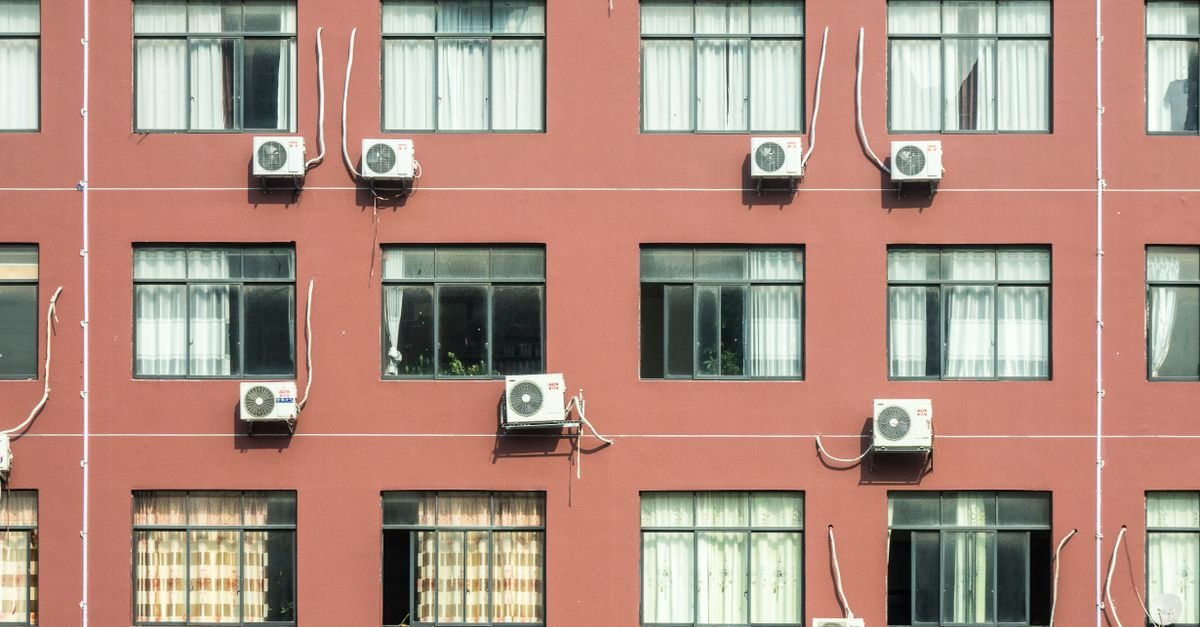
Pakistan faces an escalating challenge as space cooling emerges as the dominant driver of residential electricity growth, consuming up to one-third of household power during peak summer months. New research analyzing meteorological data from nine cities across the country's major climate zones quantifies the magnitude and geographic variation of this trend, revealing critical planning gaps for utilities and policymakers.
The study tracked temperatures and household electricity consumption from 2015 to 2025 across regions ranging from cooler highland areas like Gilgit to extreme-heat zones such as Larkana. Results show cooling degree days—a standard metric for thermal stress—vary dramatically by location, from 1,140 annually in Gilgit to over 3,300 in Larkana. Critically, the rate of warming is accelerating fastest in historically moderate cities: Quetta experienced a 29.9% increase in cooling demand over the decade, while Islamabad saw 21% growth.
Household-level data from Lahore demonstrates that air conditioning now accounts for a mean of 21.4% of total residential electricity use, far exceeding appliances like refrigeration. During summer months, this figure surges above 33%, creating severe peak-demand challenges for Pakistan's already stressed electrical grid.
Projections extending to 2035 indicate continued temperature increases concentrated in northern and highland regions, with Islamabad leading warming trends. Simultaneously, humidity is rising across coastal and irrigated plains cities including Karachi, Lahore, and Multan. Importantly, warming and moisture increases occur in different regions, meaning most cities face either predominantly sensible (dry heat) or latent (humid heat) cooling loads, not both simultaneously.
These geographic distinctions demand tailored policy responses. The authors advocate for regionally calibrated strategies combining minimum efficiency performance standards for air conditioners, integration of solar and wind power to serve cooling loads, climate-responsive building design, and targeted programs ensuring equitable cooling access for lower-income households currently relying on inefficient or absent systems.