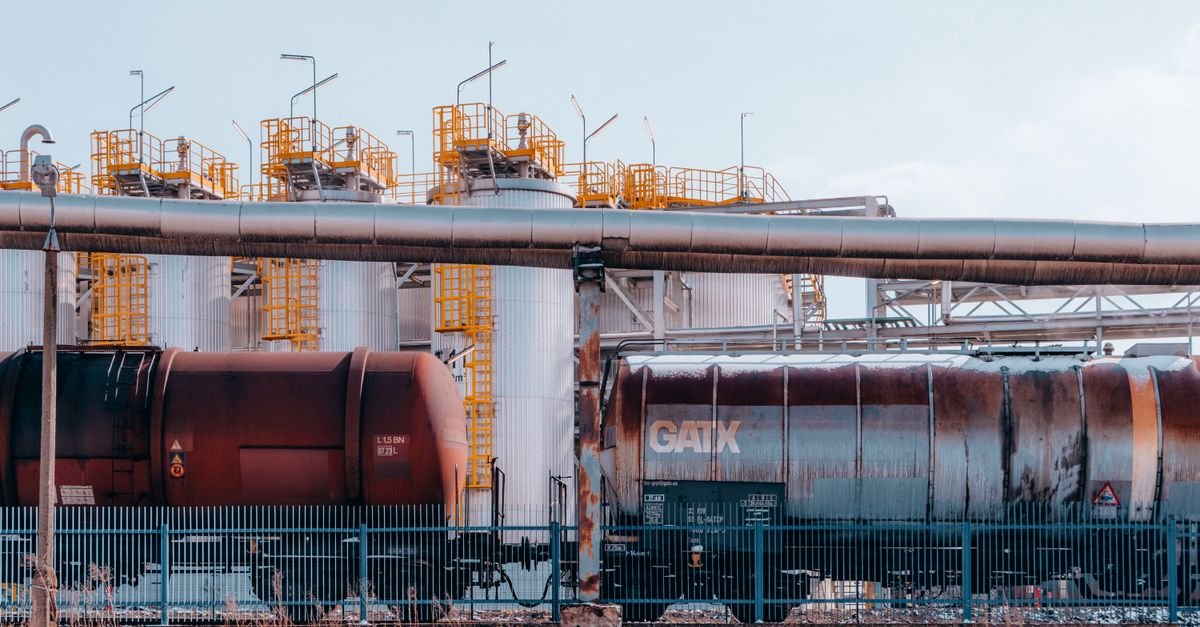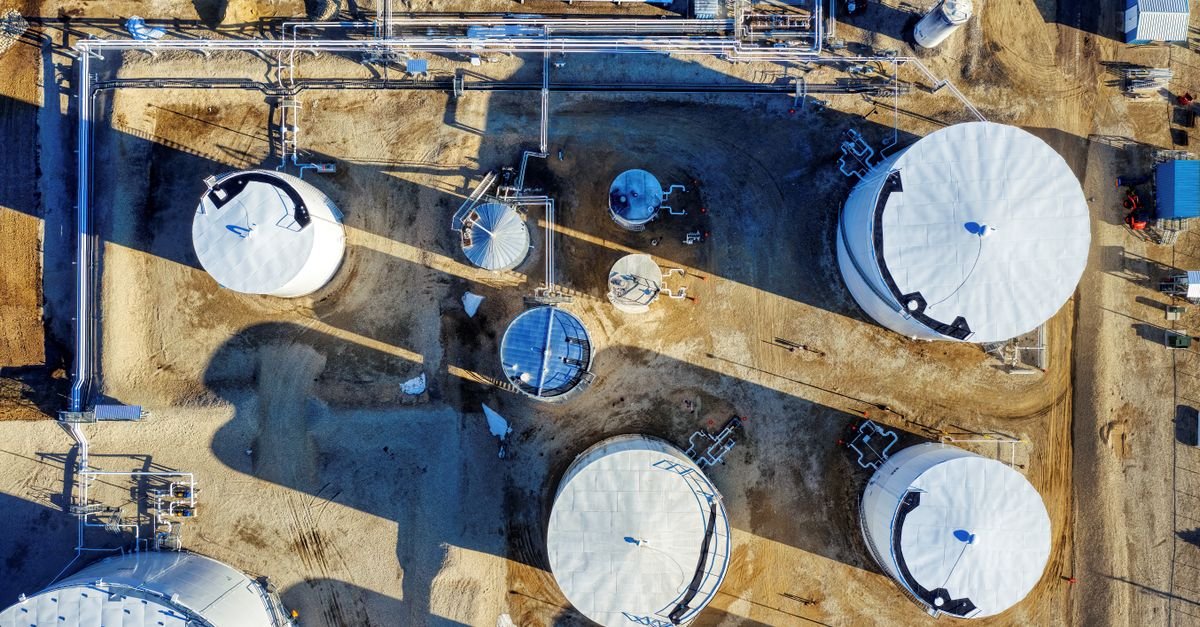
The Permian Basin, the United States' premier oil and gas production region, is experiencing a notable shift in its commodity mix. Natural gas output has accelerated significantly faster than crude oil production over the past four years, according to recent energy outlook data. Marketed natural gas production climbed from 17.2 billion cubic feet per day in 2021 to 27.6 billion cubic feet per day in 2025—a substantial 60% increase. By comparison, crude oil production rose more modestly from 4.7 million barrels per day to 6.6 million barrels per day, representing a 39% gain.
This divergence stems primarily from increasing gas-oil ratios (GOR) across Permian operations. Gas-oil ratio measures the volume of natural gas produced relative to each barrel of crude oil extracted. Higher ratios indicate that individual wells and fields are generating proportionally more gas alongside oil production, a phenomenon driven by geological factors, well completion design, and operational strategies.
The implications for the power and energy sector are substantial. Rising natural gas availability from the Permian bolsters domestic supply and potentially moderates wholesale prices in key trading hubs. Natural gas remains critical for electricity generation, particularly in thermal power plants that provide dispatchable generation capacity to balance intermittent renewable sources. Increased supply from America's largest producing basin enhances energy security and grid reliability.
For upstream operators, higher gas production from oil wells presents both opportunities and challenges. While additional revenue streams emerge from gas sales, infrastructure constraints—including pipeline capacity and processing facilities—may limit monetization potential. Some producers may prioritize crude oil returns if gas prices remain depressed, though recent price movements have improved gas economics.
Looking ahead, the Permian's evolving production profile will influence natural gas market dynamics and power generation planning across North America. Utilities and grid operators must account for this increased supply availability when forecasting fuel availability and planning generation portfolios.