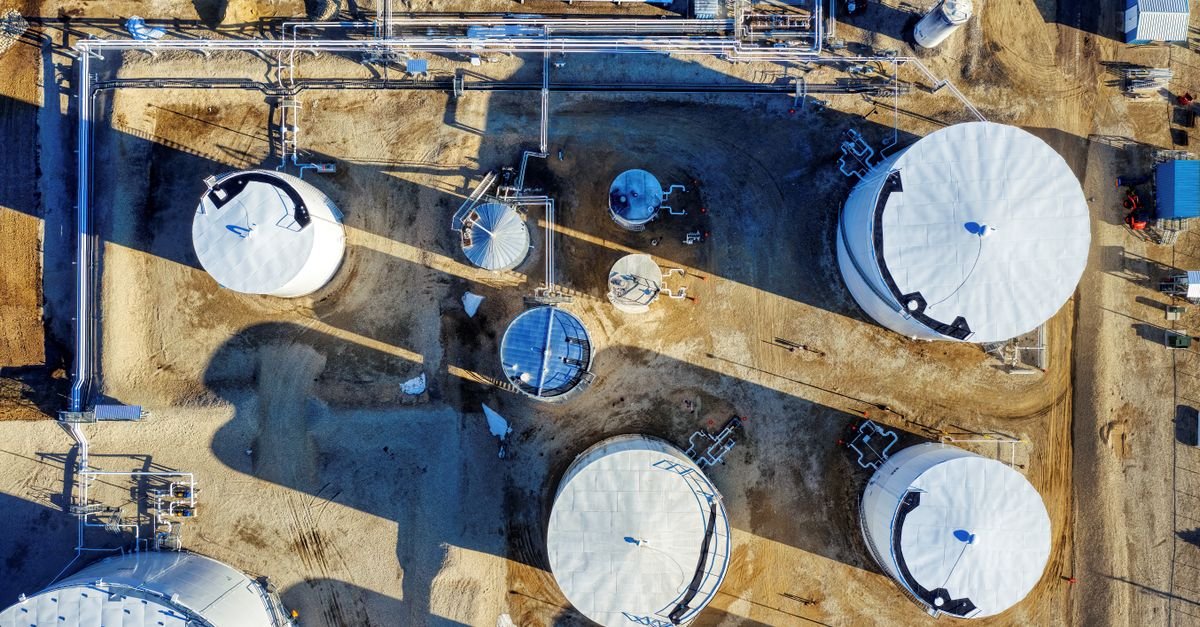
The Permian Basin, a cornerstone of U.S. energy production, is experiencing accelerated natural gas output that is outpacing oil production growth, according to recent production data. Marketed natural gas volumes climbed from 17.2 billion cubic feet per day in 2021 to 27.6 billion cubic feet per day in 2025—a 60% expansion. By contrast, crude oil production grew 39% over the same timeframe, rising from 4.7 million barrels per day to 6.6 million barrels per day.
This divergence between gas and oil growth rates stems from increasing gas-oil ratios, a metric reflecting the volume of natural gas produced relative to each barrel of crude oil extracted. As wells mature and geological conditions evolve, operators are encountering reservoirs with higher gas-oil ratios, yielding more gas per unit of oil production.
The implications for the power and energy sector are substantial. Higher natural gas production increases domestic supply for power generation, industrial facilities, and export markets. This surplus capacity may ease pricing pressure on natural gas and support electrical grid reliability during peak demand periods. However, infrastructure constraints in the Permian—including gathering systems, processing plants, and pipeline capacity—must keep pace with production growth to avoid bottlenecks and stranded gas.
Regional operators and infrastructure developers face investment decisions around gas handling capabilities. Underinvestment could limit production potential and strand profitable reserves; overinvestment might create excess capacity if production growth slows. The trend also affects pipeline routing and liquefied natural gas export economics, as producers optimize transportation networks for the changing product mix.
Downstream, utilities and power generators benefit from increased gas availability, though long-term energy policy—including potential carbon regulations—may influence demand trajectories. The Permian's shifting production profile will shape regional energy economics and supply chains for years to come.