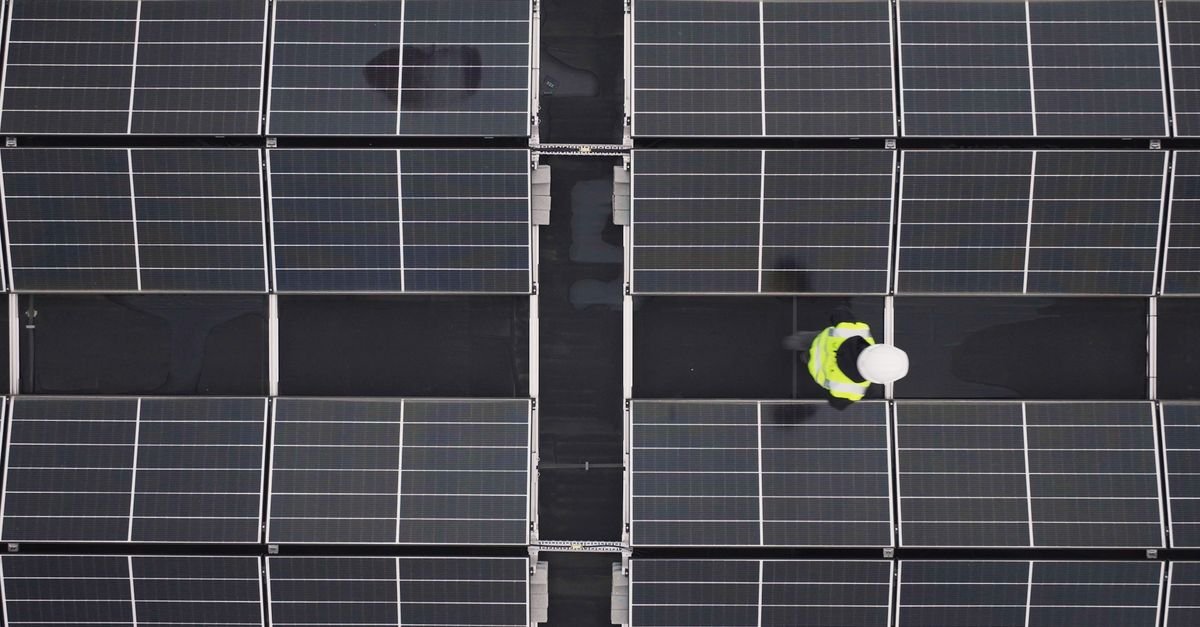
Distributed photovoltaic systems present a fundamental forecasting challenge for grid operators: solar generation fluctuates unpredictably with cloud cover, rain, and atmospheric conditions, yet accurate short-term predictions are essential for maintaining stability and managing reserve capacity. Traditional machine learning approaches often perform poorly during extreme weather because they lack embedded understanding of the physical relationships between meteorological inputs and power output.
This research introduces a copula-guided transformer (CGT) framework that bridges this gap by combining statistical dependence analysis with deep neural networks. The method uses three copula functions—Gaussian, Clayton, and Gumbel—to map how different weather variables influence solar generation. Crucially, these models reveal asymmetric relationships: rainfall suppresses power output primarily during low-irradiance periods, while high solar irradiance drives power output even when other factors vary. These physics-based insights become embedded constraints within a transformer architecture equipped with a temporal convolutional network that dynamically adjusts attention mechanisms.
Tested on real-world distributed photovoltaic data from installations across China, the CGT model demonstrates measurable advantages over conventional forecasting approaches. Performance improvements are particularly pronounced during challenging scenarios—heavy rain, rapid cloud transitions, and peak volatility periods—where standard data-driven models tend to overestimate generation or lag behind actual output changes. By enforcing physical consistency through copula-derived priors, the framework reduces spurious predictions and improves response timing.
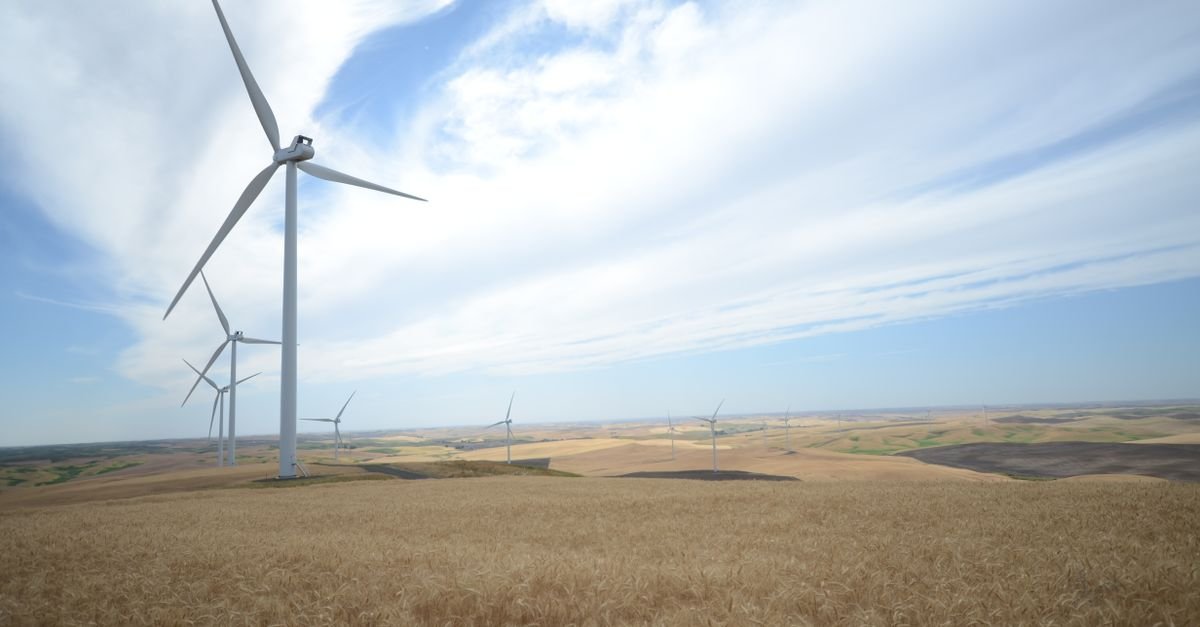
For grid operators managing high penetrations of distributed solar, this work offers practical value. More accurate intra-hour and hour-ahead forecasts reduce the reserve margin needed to buffer unexpected ramps, lowering operational costs and improving economic dispatch efficiency. The approach is also generalizable; the same methodology could enhance wind forecasting or hybrid solar-wind sites where similar asymmetric weather dependencies exist. As distributed generation continues expanding globally, physics-guided machine learning methods like this will become increasingly important for grid reliability.