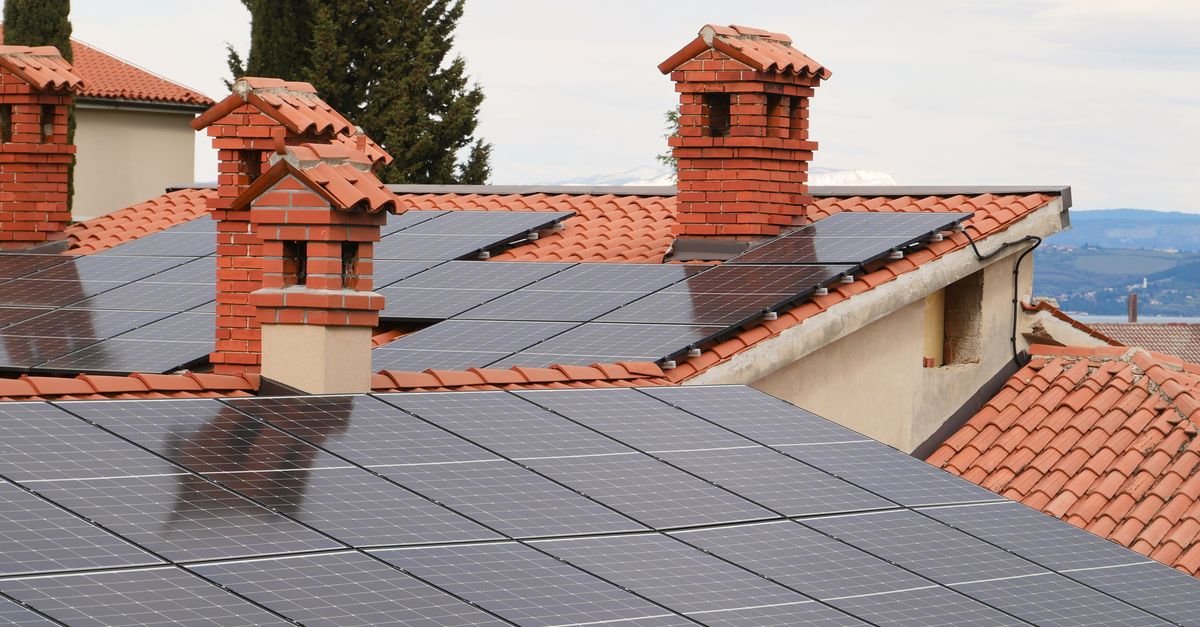
Researchers identify electrical mechanisms driving hotspot formation in half-cell PV modules
⚡ AI Executive Summary
Japanese researchers from Ritsumeikan University have conducted field and laboratory testing of commercial silicon heterojunction PV modules to understand why unshaded cells can overheat when nearby cells are partially shaded. The team developed a circuit-level model that explains how bypass diode activation combined with manufacturing variations in cell current output can force specific cells into reverse bias, causing localized thermal stress independent of shading. This work extends earlier qualitative observations into a predictive framework with practical design implications. Understanding the electrical parameters that govern hotspot formation—particularly short-circuit current mismatch—gives module manufacturers and system designers concrete targets for mitigation. The research suggests that cell-level uniformity matters more than previously appreciated, and that module performance under real-world partial shading conditions depends critically on bypass diode behavior and internal current distribution, not just on the directly shaded regions. This could influence next-generation half-cell module specifications and field installation practices.
This is a brief summary of reporting originally published by pv magazine Australia. Read the full article for the complete story:
Read the full story at pv magazine Australia ↗Related in Solar & Wind